There are 98 wetlands distributed across India that have been designated as Ramsar sites, each having its own unique ecosystem. In this article, we will be looking at a few of our top picks among the Ramsar sites in our nation, and why they are so important.
What is a Ramsar Site?
Wetlands are some of the most unique and biologically diverse ecosystems on our planet, and they are regions that are either seasonally or permanently saturated with freshwater, brackish water or saltwater. Taking their importance into account, an international environmental treaty known as the Convention on Wetlands, or the Ramsar Convention, was signed on 2 February 1971 in Ramsar, Iran, under the guidance of UNESCO, labelling certain wetlands around the world as Ramsar sites. According to the Convention, its mission is “the conservation and wise use of all wetlands through local and national actions and international cooperation, as a contribution towards achieving sustainable development throughout the world”.[1]
Currently, 172 nations are signatories to the Ramsar Convention, and 2518 wetlands around the world have been designated as Ramsar sites due to being deemed to be of international importance. India presently has 98 Ramsar sites, which cover an area of over 13,60,805 hectares in total. This includes the Patna Bird Sanctuary in Etah, Uttar Pradesh and Chhari-Dhand in Kutch, Gujarat that were added in January 2026.
Let’s take a look at 10 major Ramsar sites of India, as well as the various species found in these crucial habitats.
#1 Chilika Lake, Largest brackish Water Lagoon in Asia
Located in: Odisha
Ramsar Site Designation: 1 October 1981
Widely renowned for being the largest brackish water lagoon in Asia, Chilika Lake was the first Indian wetland, alongside Keoladeo National Park, to be declared a Ramsar site on 1 October 1981.
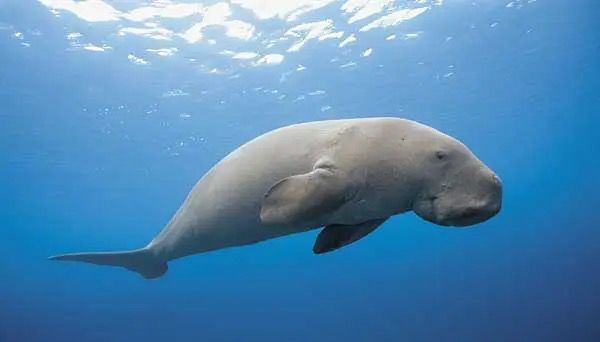
The lake experiences varying levels of salinity in different regions due to freshwater flowing in from the Daya River and tidal influx from the Bay of Bengal. This unique environment results in Chilika Lake being a hotbed for about 800 different animal species, many of which are endangered. The Irrawaddy dolphin is the flagship species of Chilika Lake, one of the only places in the world with a concentrated population of this species. Some more threatened aquatic animal species that can be found in and around Chilika Lake include the dugong, green sea turtle, helicopter catfish (Walago attu) and butter catfish (Ompok bimaculatus).
Chilika Lake ramsar site is also home to the Nalbana Bird Sanctuary on Nalbana Island, which gets completely submerged during monsoons but reappears in the winter. It acts as a major wintering ground for several migratory birds that come from the Himalayas, Afghanistan, Central Asia, Iran, Iraq, Mongolia and even Russia. A few of the endangered bird species that can be spotted in the lake are Asiatic dowitchers, Dalmatian pelicans, spot-billed pelicans, Pallas’s fish eagles and spoon-billed sandpipers.
Read More: Dugong, The Gentle Sea Cows
#2 Sambhar Lake, Largest Inland Saltwater Lake in India
Located in: Rajasthan
Ramsar Site Designation: 23 March 1990
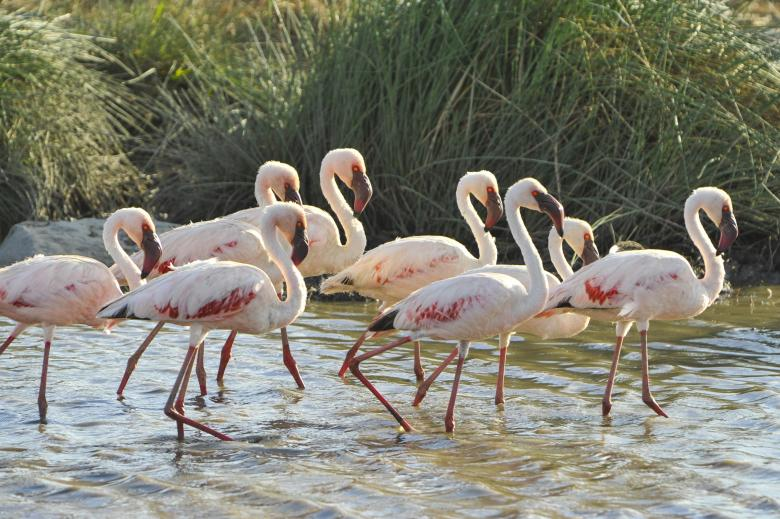
Sambhar Lake is the largest inland saltwater lake in India. A playa, or a seasonal lake with a flat bottom, its hypersalinity is nearly three to four times that of seawater, making Sambhar Lake the major source of Rajasthan’s salt production.
Due to its high salinity, Sambhar Lake usually showcases the most biodiversity during the monsoon, when salinity levels decrease. The lake is a highly important feeding ground for several migratory birds, chiefly the greater and the lesser flamingo, which feed on the algae that thrive in the region. Additionally, Sambhar Lake’s catchment area hosts endangered reptile species such as the Indian spiny-tailed lizard (Saara hardwickii), as well as critically endangered bird species like the Indian Vulture and the White-rumped Vulture.
Unfortunately, unchecked salt mining and salt-pan encroachments have resulted in the degradation of Sambhar Lake’s hydrology and reduction of wetland area, leading to biodiversity loss. On the other hand, excess rainfall, reduced salinity and high temperatures triggered the spread of avian botulism, a bacteria-borne neuromuscular disease, that caused over 20,000 deaths among birds in the region in 2019 and 2024.
Read More: Increase in Flamingo Population in Sambhar Lake, Rajasthan
#3 Sundarban Wetland, World’s Largest Mangrove Forest
Located in: West Bengal
Ramsar Site Designation: 30 January 2019
Split between Bangladesh and West Bengal, the Sundarbans are the world’s largest mangrove forest area, and the region makes up a major portion of the Ganga-Brahmaputra Delta. Fed by the Hooghly river, the Indian part of the Sundarbans has a unique ecosystem that is shaped by tidal rivers, mudflats and dense mangrove vegetation that acts as a natural buffer against storms and coastal erosion.
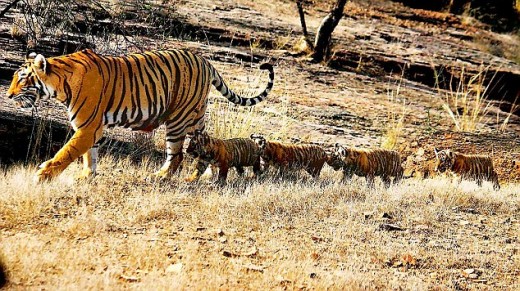
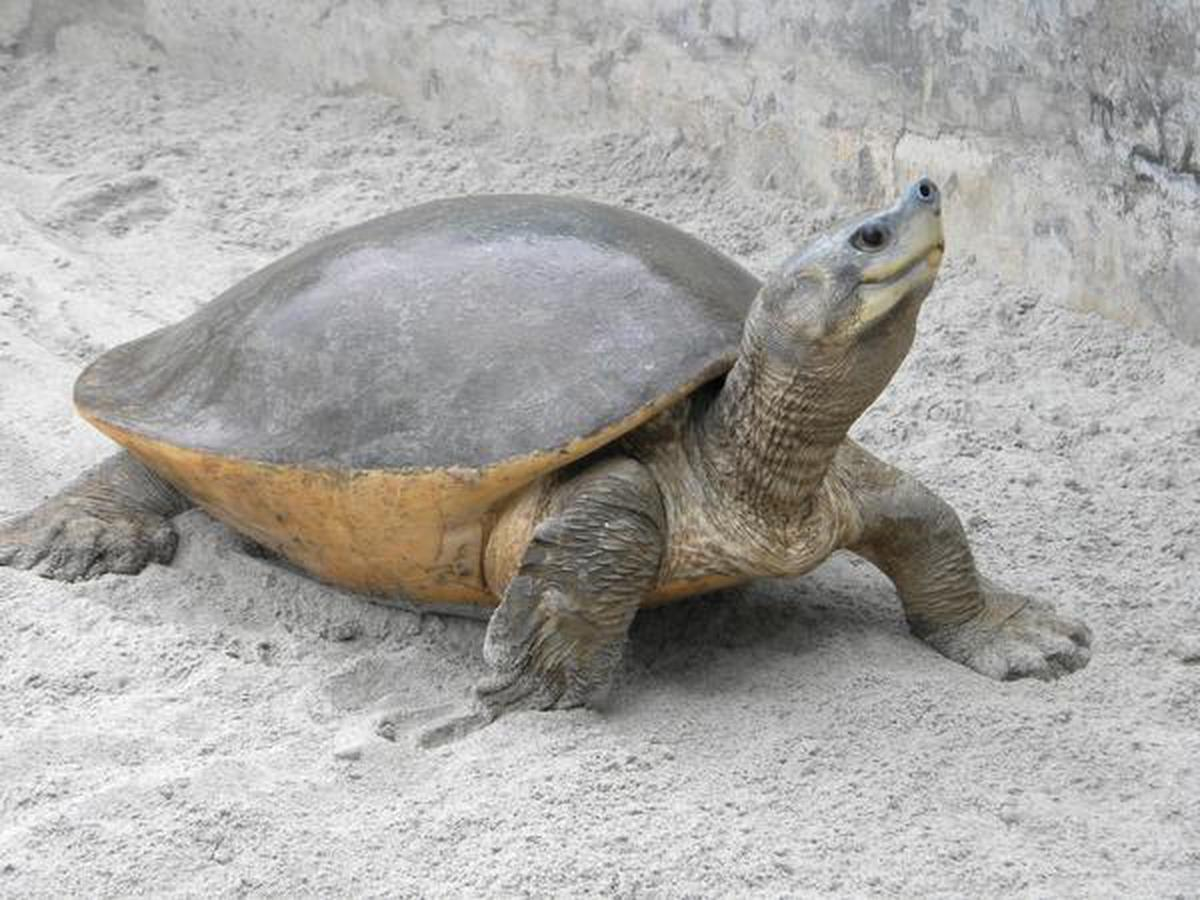
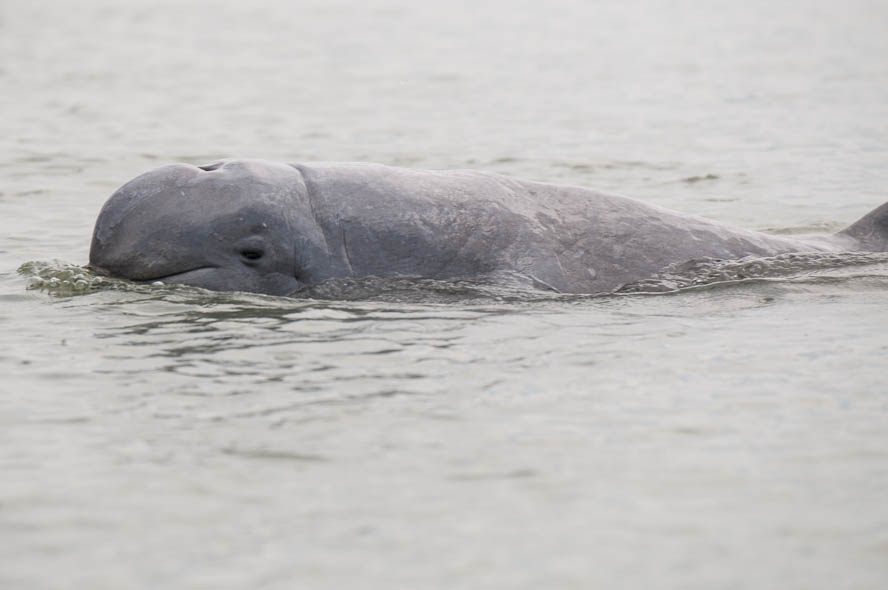
The most iconic animal species to inhabit the Sundarbans is, of course, the Bengal Tiger, making the Sundarbans the only mangrove forest in the world to house tigers. Then, the Irrawaddy dolphin seen in Chilika Lake can also be found in the Sundarbans, along with the Ganges river dolphin. Some of the critically endangered species in the region are the northern river terrapin, largetooth sawfish and the masked finfoot, while other threatened species include the fishing cat, capped langur, smooth-coated otter, Asian small-clawed otter and migratory birds such as the spoon-billed sandpiper.
Despite their importance, the Sundarbans ramsar site face severe threats, both natural and man-made. The region was struck by Cyclone Sidr in 2007, followed by Cyclone Aila in 2009, causing widespread damage to over 40% of the Sundarbans. The rise in sea levels caused by climate change has also been increasing the salinity of the wetlands, greatly impacting the ecosystem.
Read More: Ailing Sundarbans Losing Beauty and Diversity
#4 Gulf of Mannar, India’s First Marine Biosphere Reserve
Located in: Tamil Nadu
Ramsar Site Designation: 8 April 2022
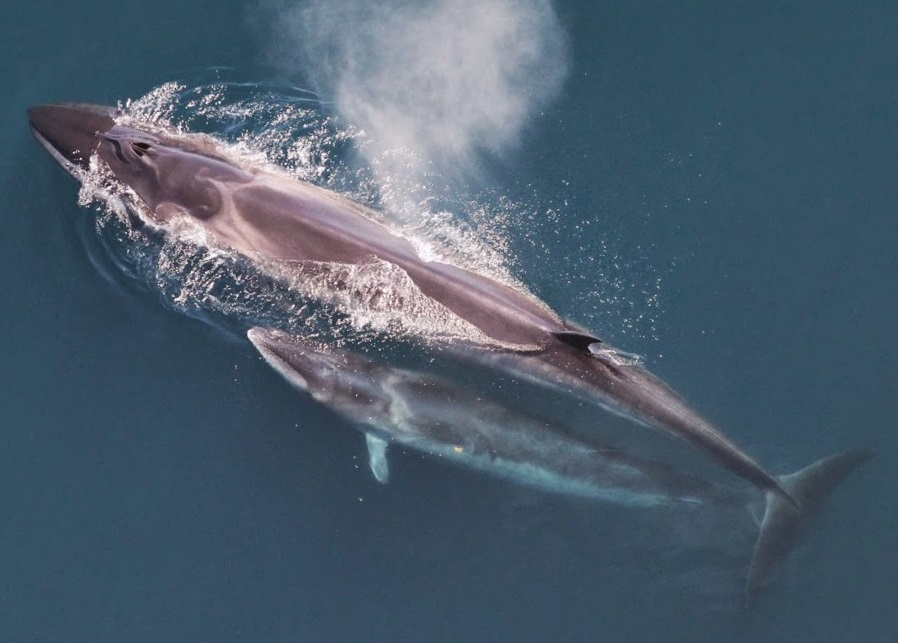
The Gulf of Mannar Marine Biosphere Reserve consists of 21 islets off the coast of Tamil Nadu between Thoothukudi (Tuticorin) and Dhanushkodi, and it is India’s first marine biosphere reserve.
A highly biologically diverse coastal ecosystem, the reserve is made up of a collection of coral reefs, mangroves, seagrass meadows, salt marshes and mudflats, and it is home to several endangered and iconic species. Among the most significant is the dugong, the flagship mammal of the reserve, which relies heavily on seagrass beds and is now critically endangered in Indian waters. Other major threatened mammal species include the Indo-Pacific bottlenose dolphin and whales like the sperm whale, sei whale, humpback whale, fin whale, and even the blue whale. Furthermore, the reserve also features endangered turtle species such as the hawksbill sea turtle, olive ridley turtle, as well as a remarkable variety of molluscs, sponges and ornamental fish.
The ecosystem of the reserve faces significant threats from not only climate change, but also destructive human activities like overfishing and coral mining. Even though coral mining was outlawed in 2005, the effects have already been seen; two of the 21 islets submerged into the ocean more than a decade ago, and a third, Vaan Island, has split in two and may also vanish under the sea if immediate actions aren’t taken.
#5 Ashtamudi Estuary, Unique Octopus-,Shaped Wetland of Kerala
Located in: Kerala
Ramsar Site Designation: 18 August 2002
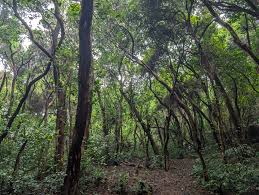
Centred around Ashtamudi Lake, Ashtamudi Estuary is the second largest wetland in Kerala, behind only Vembanad-Kol, which is another Ramsar site. Named as such for its unique octopus-shaped appearance (ashtamudi means ‘eight peaks’ in Malayalam), the lake forms a significant part of the backwaters of Kerala.
Ashtamudi Estuary counts multiple species of mangroves and mangrove associates among its flora, including endangered species such as Syzigium travancorium and Calamus rotang. However, these endangered species are under threat because of the draining and conversion of some of the areas in the wetland into paddy fields.
The estuary is particularly renowned for its aquatic and avifaunal species. The oriental darter and the black-headed ibis are two bird species found in the region that are classified as Near Threatened, while there are also some endangered fish species, such as the imperial white collared yellow catfish, Nilgiris barb, humpback mahseer and the peninsular hill trout.
Considering that numerous fishing boats and ferries sail on the Ashtamudi Lake, it is unfortunately unsurprising that there are often oil spills that happen from these boats, along with the emission of untreated waste from industries, which have been harming the biodiversity of the wetland. Moreover, there has been a discovery of a worryingly high amount of microplastics in the lake’s denizens, with 19.6% and 40.9% of the microplastics being found in the fish and shellfish of the region, respectively.
Read More: How Mumbai Mangroves Save the City Everyday
#6 Loktak Lake, Floating Islands and Dancing Deer
Located in: Manipur
Ramsar Site Designation: 23 March 1990
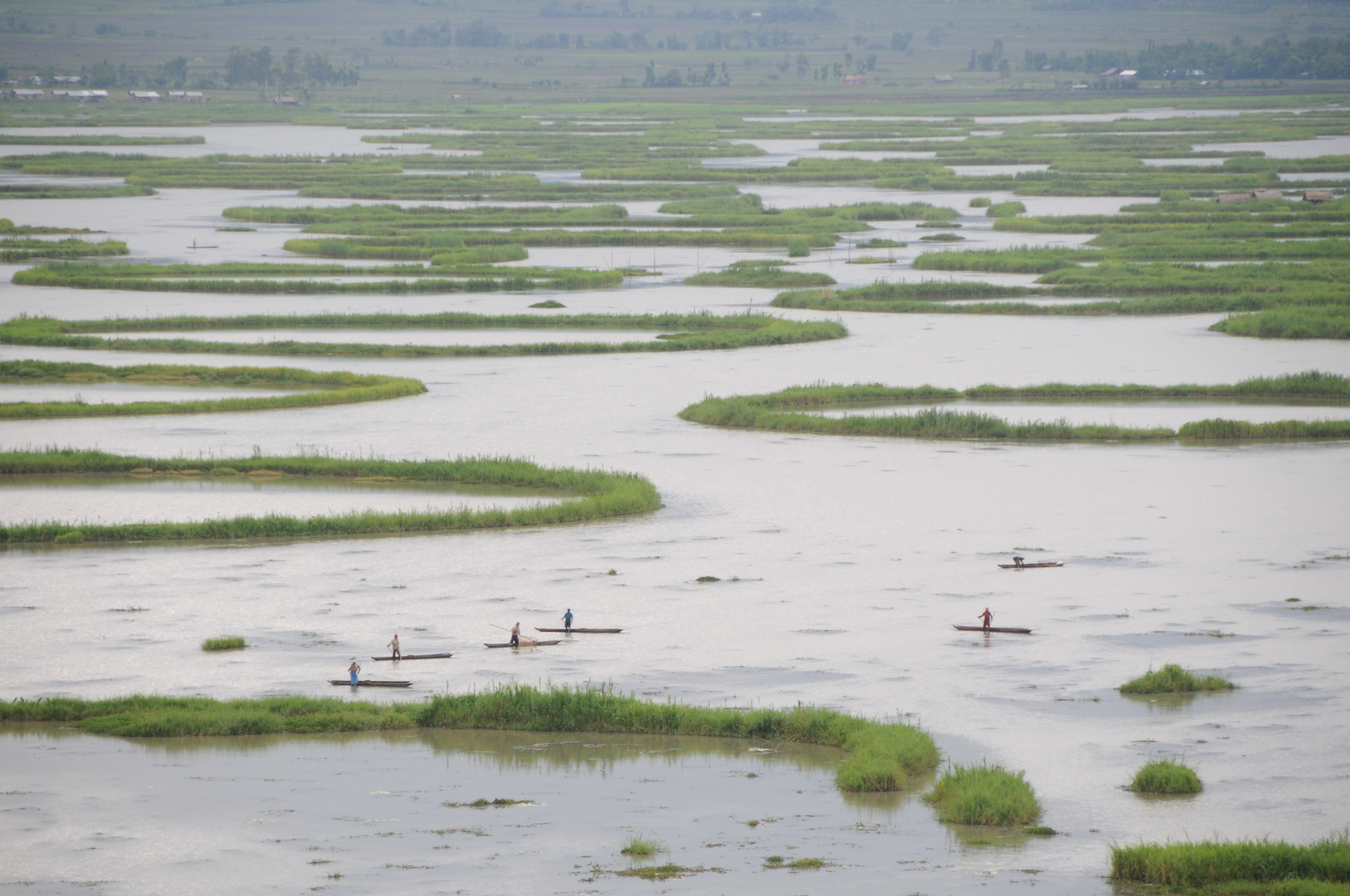
An ancient lake that is primarily fed by the Manipur River, Loktak Lake forms the largest freshwater wetland in northeastern India and is of great significance to the state of Manipur.
It is best known for its phumdis, which are a set of floating islands on the lake composed of masses of vegetation, soil and organic matter. These phumdis are crucial to Loktak Lake’s diverse ecosystem. In fact, the largest of these phumdis even contains the only floating national park in the world, Keibul Lamjao National Park, which is the sole remaining natural refuge of the critically endangered sangai (also known as Manipur brow-antlered deer), the state animal of Manipur. Other threatened species that can be found in the wetland include the sambar, barking deer, stump-tailed macaque, marbled cat, Asian golden cat, smooth-coated otter and the Indian python, with the lake also hosting 28 different migratory waterfowl species during winters.
However, the avifauna of Loktak Lake has been reported to be declining, and the natural life cycle of the phumdis has been disrupted by the construction of the Ithai Barrage, which is part of the Loktak Hydroelectric project. Sewage that is carried by the Nambul River from Imphal is discharged into the lake, causing the growth of water hyacinths and even an excessive number of phumdis. Additionally, the thickness of the phumdis has decreased in the Keibul Lamjao National Park, thus putting the sangai under greater threat, and unsustainable fishing practices and encroachments are only adding to the lake’s ecological problems.
Read More: Water Pollution Endangered Manipur’s Loktak Lake
#7 Tso Moriri, Largest High-altitude Lake of India
Located in: Ladakh
Ramsar Site Designation: 19 August 2002
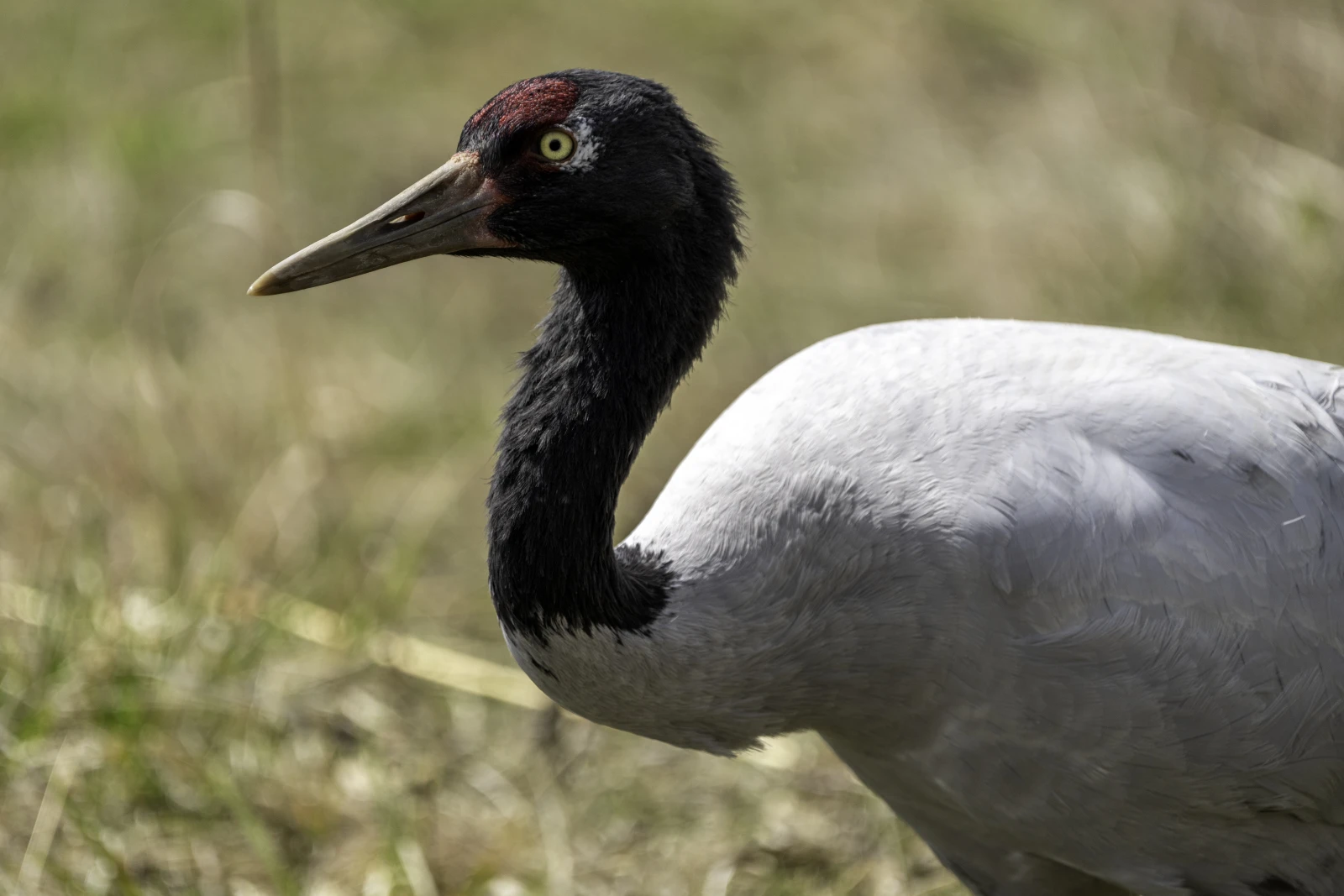
Situated at a height of 4522m above sea level and having a surface area of 13,500 hectares, Tso Moriri is the largest high-altitude lake entirely within India and is fed by snow melt. Despite its harsh climate and nutrient-poor ecosystem, the lake manages to play a critical ecological role by supporting unique cold-desert biodiversity.
The wetland is an important breeding and staging ground for several rare and endangered species. It supports vulnerable and migratory birds such as the black-necked crane, bar-headed goose, brown-headed gull, great crested grebe and the Ferruginous pochard, which depend on Tso Moriri’s shallow waters and marshes. The surrounding grasslands provide habitat for endangered mammals, including the snow leopard, Tibetan wolf, kiang (Tibetan wild ass), goa (Tibetan gazelle) and the great Tibetan sheep. Aquatic life, though limited, is specially adapted to extreme conditions.
Hunting is prohibited in the wetland region. However, the ecosystem does face several growing threats, especially from climate change, which has been altering precipitation patterns and accelerating the melting of glaciers, hence affecting Tso Moriri’s hydrology. The ever increasing tourism and the construction of roads along the lake’s shoreline have caused disturbance to the wildlife and applied additional pressure on the ecosystem.
#8 Kolleru Lake, Largest Shallow Freshwater Lake of Asia
Located in: Andhra Pradesh
Ramsar Site Designation: 19 August 2002
With a surface area of 90,100 hectares and a maximum depth of just 2m, Kolleru Lake is the largest shallow freshwater lake in Asia and is located between the Krishna and the Godavari river deltas. Acting as a natural flood-balancing reservoir, the lake receives water from seasonal rivers and drainage channels, supporting agriculture and fisheries across the coastal plains.
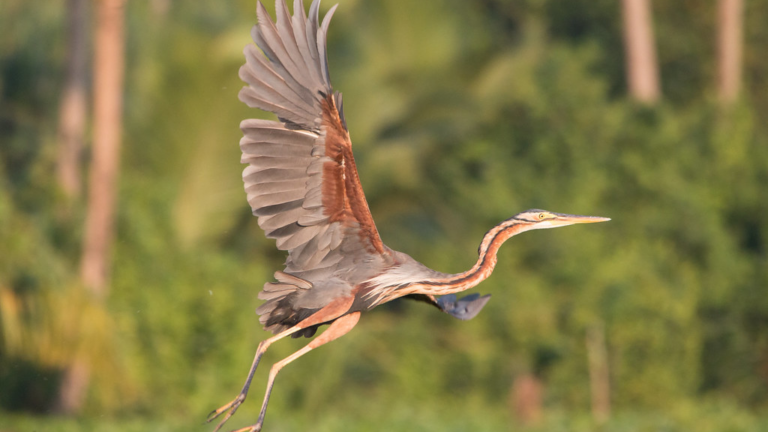
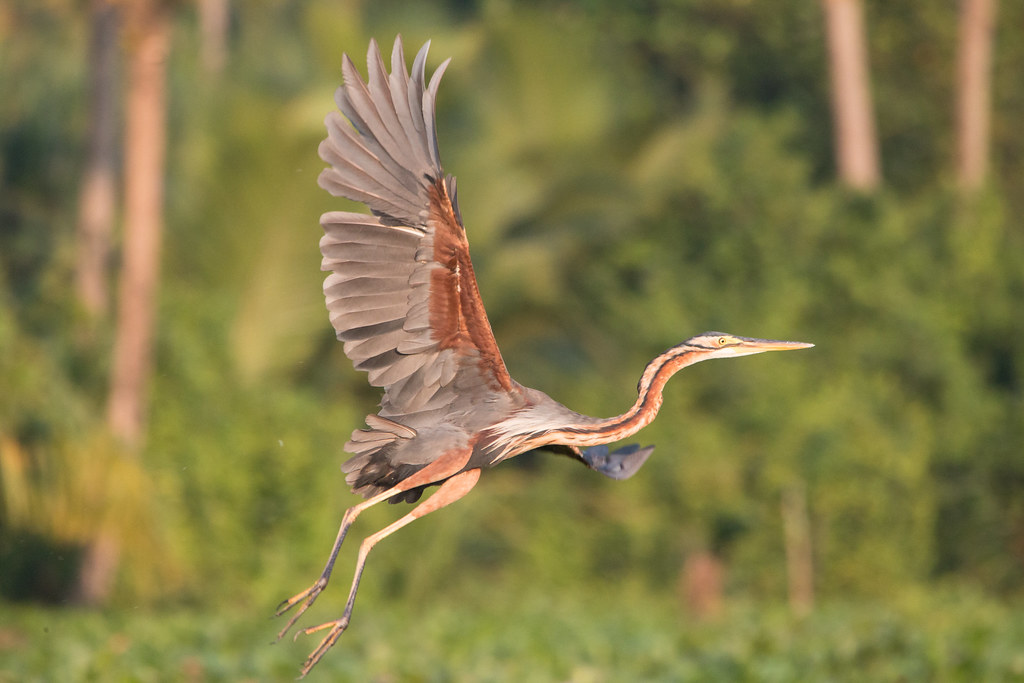
Like most other entries to this list, Kolleru Lake serves as a wintering and stopover site for various waterbird species, which depend on the lake’s rich fish populations, and this is one of the major reasons why it was declared a wildlife sanctuary in November 1999. Some of the most significant migratory bird species visiting the lake are the spot-billed pelican, Siberian crane, painted stork, greater flamingo, purple heron and the black-headed ibis, while resident species include the grey pelican, Asian openbill and the glossy ibis.
Kolleru Lake has been severely degraded over the recent decades. Large-scale encroachment for aquaculture has reduced open water areas and altered natural hydrology. Agricultural runoff, pesticide use and untreated sewage have degraded water quality, leading to eutrophication, with the advent of invasive aquatic weeds adding to the ecological stress.
#9 Lonar Lake, Formed By A Meteorite
Located in: Maharashtra
Ramsar Site Designation: 22 July 2020
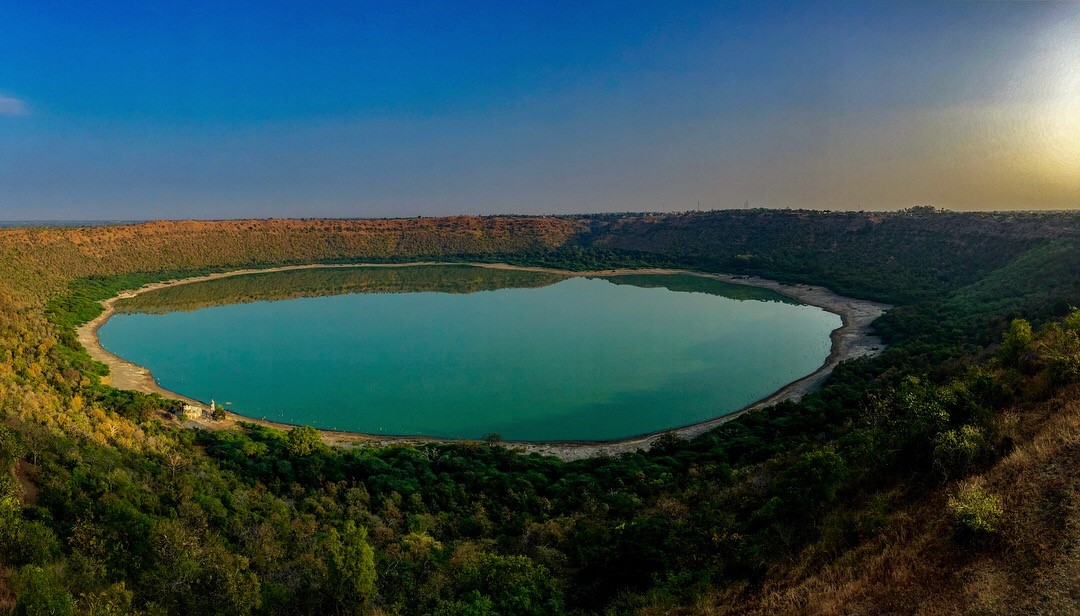
Lonar Lake is a geological and ecological landmark formed by a meteorite that is estimated to have impacted about 50,000 years ago. It is one of the world’s few saline–alkaline lakes formed in basaltic rock. The lake and its surrounding crater create a distinctive micro-ecosystem, with steep slopes, forested patches, and highly alkaline water that supports specialised forms of life.
Despite its extreme chemistry (the lake has two distinct regions: an outer region with a pH of 7, and an inner region with a pH of 11), Lonar Lake sustains remarkable biodiversity. The lake’s waters support unique microbial communities, including cyanobacteria and algae that give the water its characteristic blue-green colour and form the base of the food web. The bloom of salt-loving haloarchaea and halobacteria can also cause the water to turn pink during certain periods, as seen in June 2020. The crater and surrounding forest provide habitat for mammals such as the chinkara (Indian gazelle) and jungle cat, reptiles like the monitor lizard, and several migratory and resident bird species like the ruddy shelduck, red-wattled lapwing, baya weaver, hoopoe and the black-winged stilt.
Untreated sewage, agricultural runoff and solid waste dumping have degraded Lonar Lake’s water quality and disrupted its delicate chemical balance, leading to increasing erosion and siltation. Religious activities and unregulated tourism have added to pollution and physical disturbance.
Read More: Man-made Wetland of Karnataka Becomes Haven for Birds
#10 Kanwar Taal, Asia’s Largest Freshwater Oxbow Lake
Located in: Bihar
Ramsar Site Designation: 21 July 2020
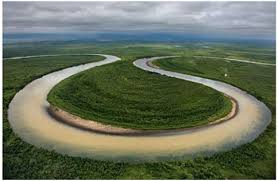
Holding the distinction of being Asia’s largest freshwater oxbow lake (a curved lake formed from a horseshoe bend in a river ), Kanwar Taal, or Kanwar Lake, was formed due to the meandering of the Burhi Gandak river, a tributary of the Ganga. The wetland expands dramatically during the monsoon, acting as a natural flood buffer, groundwater recharge zone and an important source of livelihood through fishing and agriculture for surrounding communities.
Kanwar Taal is significant for its avian diversity, and it was declared a bird sanctuary by the Indian government in 1989 to prevent poaching. The wetland hosts over 60 migratory bird species and is home to about 106 resident bird species. The critically endangered bird species that can be seen here are the red-headed vulture, white-rumped vulture, long-billed vulture, sociable lapwing and Baer’s pochard, while some other threatened species like the greater adjutant, greater spotted eagle, sarus crane, and the black-bellied tern can also be found.
Large-scale encroachment, agricultural expansion, the building of dams and canals, and the conversion of wetland areas into cropland have reduced Kanwar Taal’s size and water-holding capacity. Pollution from fertilisers, pesticides and domestic waste has degraded the lake’s water quality, while unsustainable fishing practices, invasive aquatic plants and the lack of effective governance further threaten the ecosystem.
Read More: Over 100 White-rumped Vulture Spotted in Uttar Pradesh after 20 Years