Your questions answered. Each week we pick a question asked by our readers and answer them using the help of our resident experts and occasionally guest scientists and researchers eager to resolve your doubts related to the flora and fauna of India. If you have a question, reach through our contact form or on our social media handles – Instagram, Facebook. You can also simply leave your questions in the comments!
A Critically Endangered species is an animal or plant that is facing an extremely high risk of becoming extinct in the wild.
In simple words, there are so few of them left, or their numbers are declining so rapidly, that they could disappear from the wild forever if things don’t change.
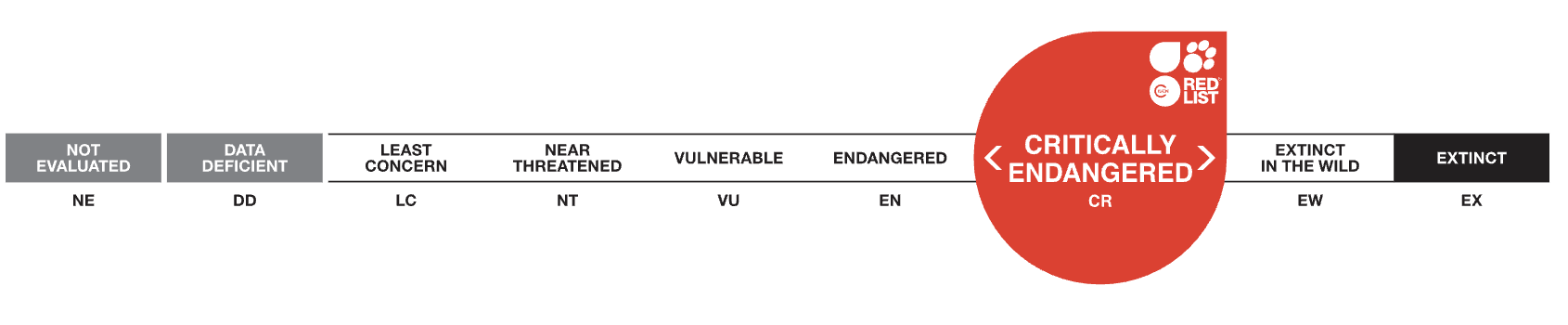
The term comes from the IUCN (International Union for Conservation of Nature), which assesses species and publishes the IUCN Red List of Threatened Species.
Understanding the Term
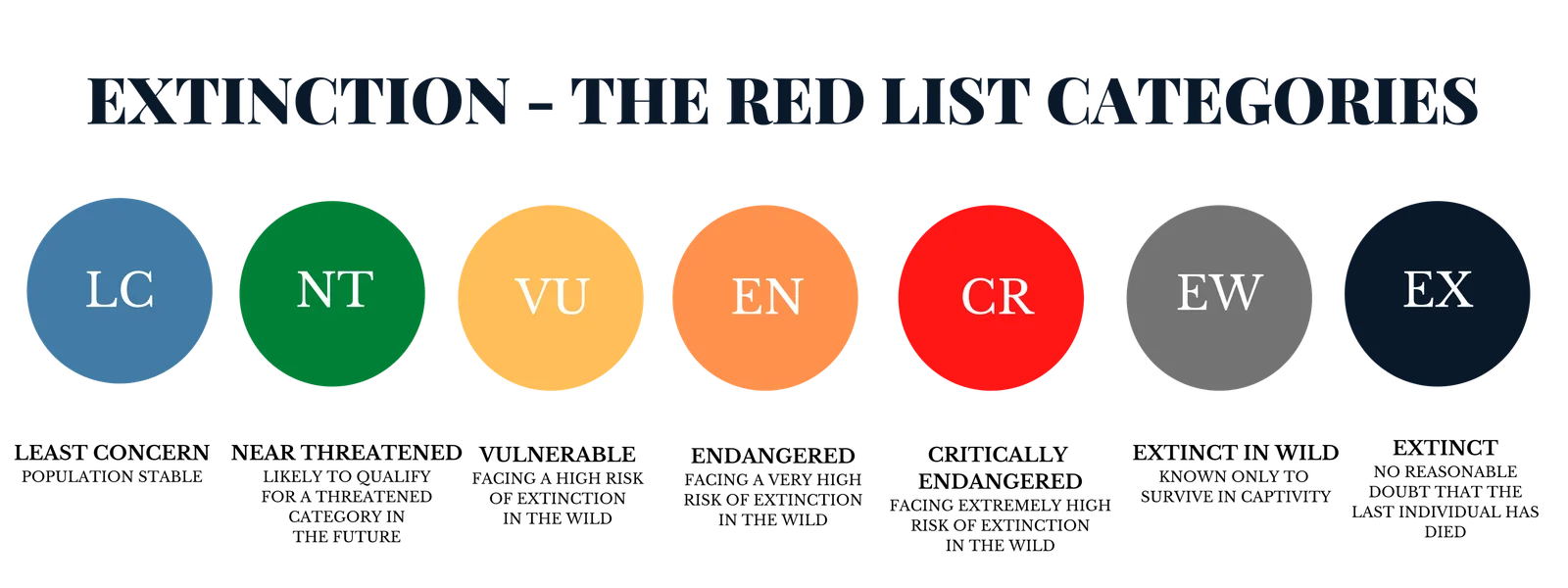
The IUCN uses various categories to identify species threatened with extinction. You can think of them as escalating levels of concern from least concern to extinct. A species that is marked as vulnerable, endangered or critically endangered is usually threatened due to various factors and needs conservation attention urgently.
When Does a Species become Critically Endangered?
Scientists don’t simply look at how many animals are left to mark it as a critically endangered species. They assess several factors, including:
- Population decline: Has the number of individuals fallen dramatically?
- Habitat loss: Is the area where the species lives shrinking?
- Small population: Are there very few individuals left?
- Restricted distribution: Does the species survive in only a very small geographical area?
- Probability of extinction: How likely is it to disappear within a specified period?
Examples of Critically Endangered Species from India
Great Indian Bustard (Ardeotis nigriceps)
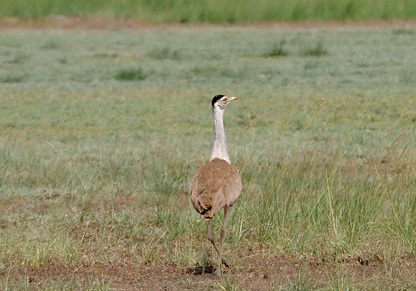
Take the case of the beautiful Great Indian bustard. The current population in India is estimated to be between 150-200 birds with Rajasthan having the highest population. In other states like Gujarat the population of this bird is just 3 females. A male chick was born recently in May 2026 taking the number to 4.
From a categorisation point of view, the population is in decline, there has been sever habitat loss of the bird as it is a grassland species and more and more of this habit is either being converted to farmland or for urbanisation. The species already has a small population and breeding is slow. The probability of extinction is high if protective measures are not taken on time.
Read More: 10 Great Indian Bustards in One Frame. Video Shows Rare Sighting in Rajasthan
Gharial (Gavialis gangeticus)
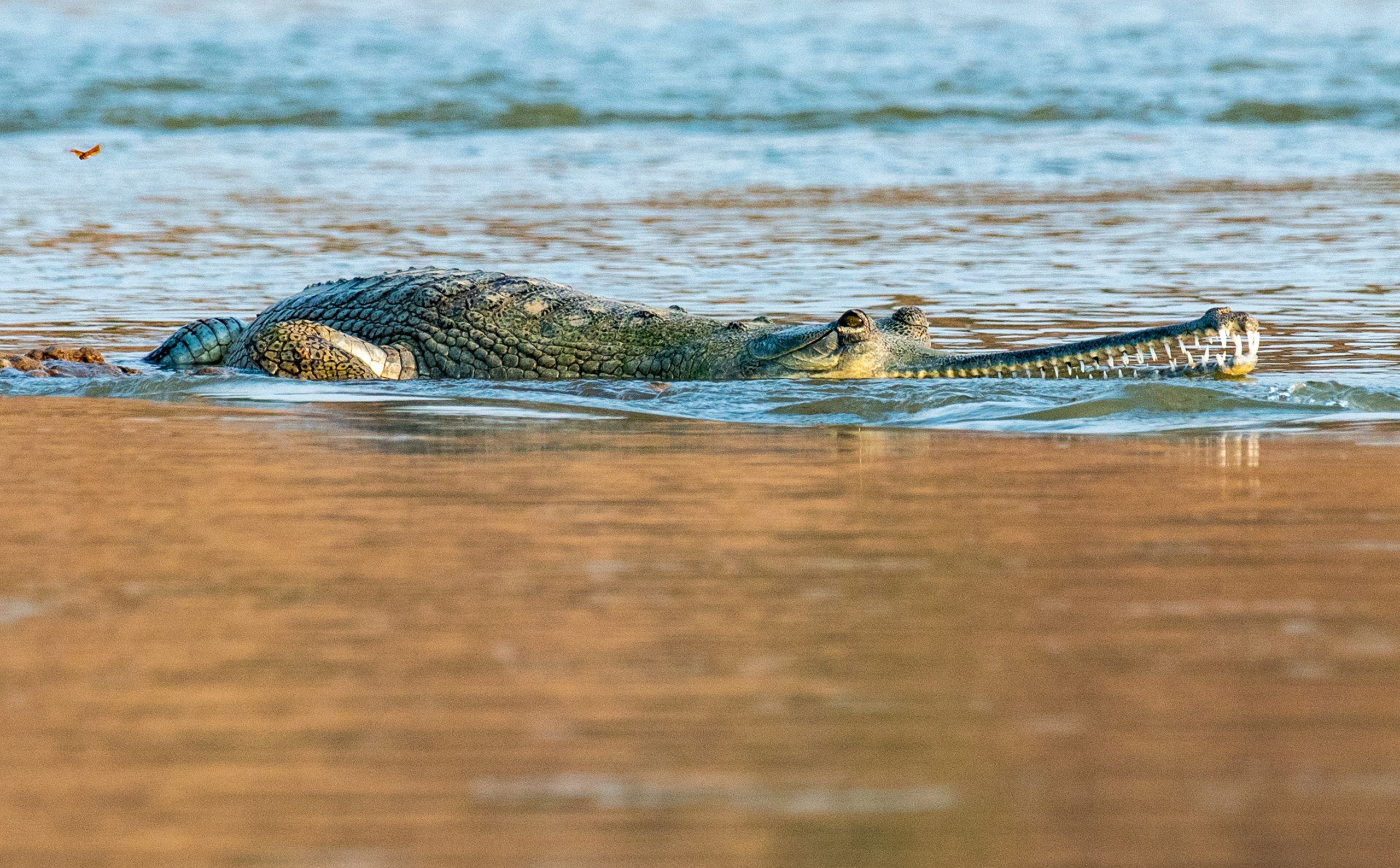
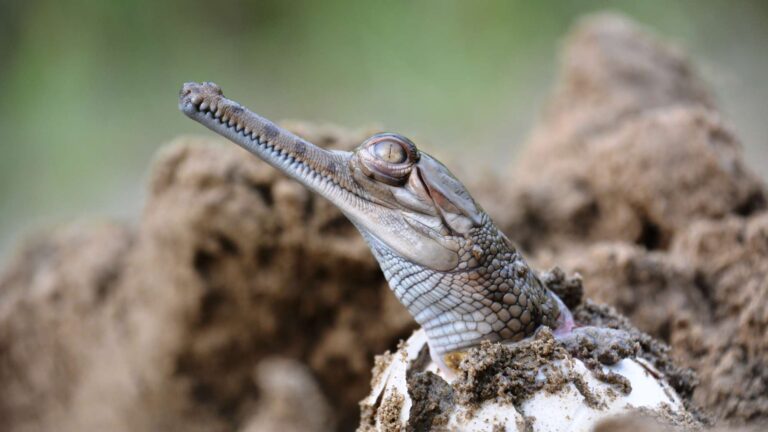
The exceptionally long snout is what distinguishes the gharial from its crocodilian cousins. It was once found in Bhutan, Myanmar and Pakistan, but is now extinct in all three countries. In modern times it is found in India, Bangladesh and Nepal and the estimated population is 650 individuals. The largest and most populous location is the protected National Chambal Sanctuary in north India that spans 625 river km, with approximately 500 mature adults, comprising 77% of the global total.
Dams and barrages have been the biggest threat to the species.
Read More: A Gharial Travels 1100 km from Nepal to India
White-rumped Vulture (Gyps bengalensis)

White-rumped vulture has suffered an extremely rapid population decline of >99% over three generations, primarily as a result of feeding on carcasses of animals treated with the veterinary drug diclofenac. The non-steroidal anti-inflammatory drug (NSAID), diclofenac used to treat domestic livestock, is ingested by vultures feeding on their carcasses leading to renal failure and causing visceral gout with instant death.
India banned the veterinary use of these drugs in 2006.Vulture restaurants were also started in vulture habitats where meat was left for wild vultures to feed on.
As per the IUCN, the present population of white-rumped vulture is approximately 6,000 individuals in India. It still remains critically endangered.
Read More: Diclofenac Poisoning Threat Spreading to Vultures Worldwide
Gugal (Commiphora wightii)
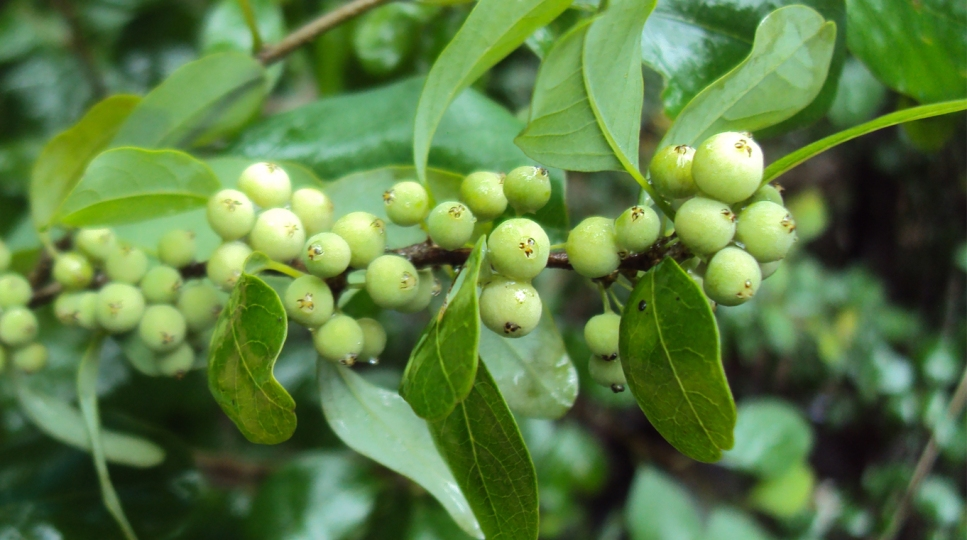
Commiphora wightii (commonly known as guggul, guggal, Indian bdellium-tree, or mukul myrrh tree) is a thorny shrub or small tree in the Burseraceae family. Native to arid and semi-arid regions of western India and Pakistan, it is valued for its aromatic oleo-gum-resin used in incense, perfumery, and Ayurveda.
It is categorised as Critically Endangered on the IUCN Red List due to slow growth, poor seed regeneration, habitat loss, and destructive resin tapping.


