Each month as we sift through the discoveries made in the country, it is such a delight to frequently encounter names like Kerala, Arunachal Pradesh, Sikkim, Karnataka. India’s Western Ghats and the northeastern biodiversity hotspot are truly a treasure trove of wildlife. May the abundance of nature remain bestowed on these states. With this thought, here’s a look at some of the top discoveries of animal and plant species from India published this March (2026),
Two New Species of Earthworm from Kerala
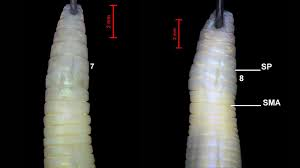
A team of researchers has discovered two new species of moniligastrid earthworms from Silent Valley National Park in Kerala. Moniligastridae are a group of earthworms that scientists call “living fossils.” While they look like the common worms you see in your garden, they are actually very different on the inside and are considered the most ancient type of earthworm still around today. They are like a “missing link” between water-dwelling worms (like leeches) and the earthworms we see on land. They still have features from their water-living ancestors, like eggs with a lot of yolk to feed the babies. They are native to South and East Asia, especially countries like India, Japan, and Korea. Unlike the typical reddish-brown garden worm, these can be bluish-grey, greenish, or even pitch-black.
The two earthworms that were discovered in the Western Ghats have been named Moniligaster girishi and Drawida reynoldsi, in honour of P. Girish Kumar, a scientist at the Zoological Survey of India’s Western Ghats Regional Centre, Kozhikode, for his significant contributions to the taxonomic studies of wasps (Hymenoptera: Vespidae) in India, and John Warren Reynolds, an eminent Canadian earthworm specialist, for his remarkable contributions to the study of North American earthworms as per The Hindu.
With this discovery the number of moniligastrid species in Western Ghats increases to 70 and 95 in India. The presence also reveals the ancient link that still remains hidden in the Western Ghats that tell the story of evolution.
New Species of Animals and Plants Discovered in India this January (2026 Updates)
Two New Species of Fruit flies From Himachal Pradesh Using Innovative Solan Bait
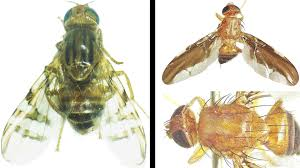
Researchers Maneesh Pal Singh of the College of Horticulture and Forestry in Himachal Pradesh and David Lawrence Hancock, an independent researcher from the United Kingdom have recorded two new species of fruit flies from the Himalayan foothills. What makes the discovery special is that the researchers used an innovative technique to attract the fruit flies for the study. The special patented Solan Bait helps attract female flies that are especially difficult to find in the wild.
The first fruit fly discovered is Acidoxantha paratotoflava, a medium-sized, greenish-yellow fly with a unique hook-like structure present in males of the species. The second fly discovered is Hemilea suneriae, is a reddish-brown fly covered in prominent black dots.
Wild Kiwi Species Discovered in Arunachal Pradesh with Hairy Young Branches
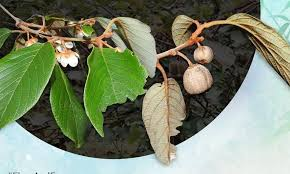
Scientists from the Botanical Survey of India have discovered a new species of Kiwi from the Ziro valley of Arunachal Pradesh at an elevation of 1,725 m. The species has been named Actinidia indica. It is a perennial climbing shrub that typically grows between 2 and 4 m in height. It is distinguished by densely hairy young branches and large ovate leaves. The plant produces white to creamy flowers measuring 4 to 6 cm.
Globally there are 56 Actinidia species found, with this one adding to the list.
Read More: Invasive Plants, Tamil Nadu’s 2026 Forest Reclamation Drive
Two New Species of Lichen Moths from Sikkim & West Bengal
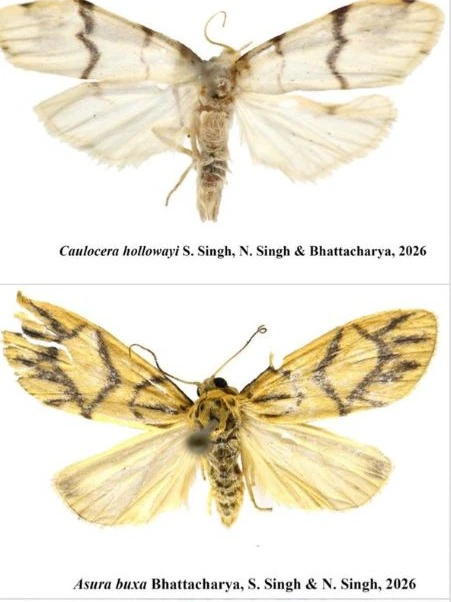
Scientists from the Zoological Survey of India have discovered 2 new species of lichen moth in two separate surveys. The caterpillars of lichen moths typically feed on lichens and algae present on tree barks.
Caulocera hollowayi, was discovered by S Singh, N Singh and Bhattacharya from specimens collected in Sikkim. Asura buxa was discovered by the same team from specimens collected in West Bengal.
What makes these moths special is that they are indicator species of air pollution.
New Cockroach Species from Pune, Maharashtra
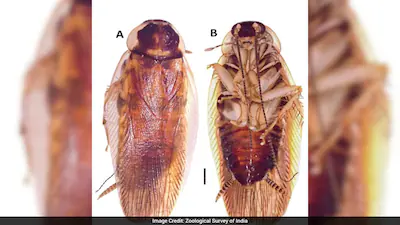
Neoloboptera peninsularis, a new cockroach species was discovered in Nathachiwadi, Pune by scientists of Zoological Survey of India. The scientists say that the collection of the cockroach specimen was challenging as they move very rapidly in the leaf little and because f their camouflage. The identification of the new species was done through morphological studies and also using modern DNA sequencing techniques.
The new species has glossy, yellowish-brown body and fully developed wings. Key features include its asymmetrical cerci (paired appendages) at the rear and a uniquely structured, whip-like male genital component.
The researchers stated that the new lineages detected in the study suggest the presence of multiple potential new species, which will require additional ground effort.
Read More: Decoding the Lives of Mystery Insects
Two New Snakes with Rare Body Features from Mizoram and Arunachal Pradesh
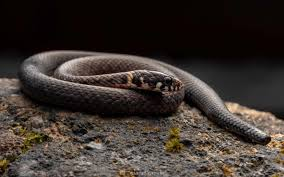
A new study documents the Rakhine Keelback (Herpetoreas davidi) in Ngengpui Wildlife Sanctuary, and the Kachin Hills Keelback (Hebius gilhodesi) in Namdapha National Park and Kamlang Tiger Reserve in India. Until now the two snakes were believed to be found only in Myanmar.
Myanmar, Mizoram and Arunachal Pradesh are the part of a single biodiversity hotspot making it easy for animals to move to and fro between the state and the country. Scientists from the Wildlife Institute of India believe it is this reason that the snakes went un-noticed.
Keelback snakes are often found near water bodies and are non-venomous.
One of the most distinctive features of keelback snakes is their “keeled” scales. Each scale has a raised ridge running down its center, giving the snake’s skin a noticeably rough and textured feel. This sets them apart from many other snakes, which typically have smooth, glossy scales.
Read More: India’s Most Venomous Snakes are Moving North Because of Climate Change
New Brackish Water Fish Discovered in Rupnarayan River, West Bengal
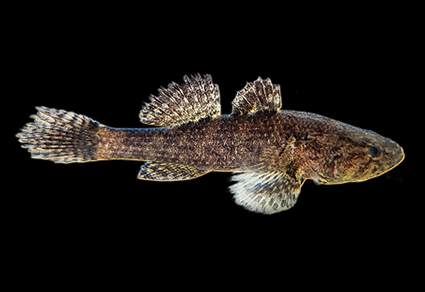
Researchers from the Tamralipta Mahavidyalaya and Vidyasagar University have found a new fish from the Rupnarayan River in Tamruk, West Bengal. The discovery was made in collaboration with the local fishermen who collected specimens for the scientists. Butis bargabhimae was named as a new species of fish based on its distinct physical characteristics including unique scales between the eyes, and light and dark bands on its pectoral fins.
The name of the fish is a tribute to the Hindu deity Bargabhima, a significant cultural and religious figure in the Tamluk area of West Bengal.
First Aquifer-dwelling Blind Fish Discovered in Assam
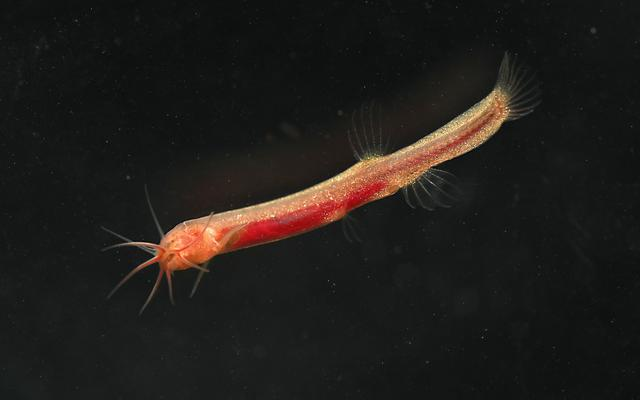
A team of researchers from India, Germany and Switzerland discovered a blind fish that was found living in a dug-well. This is a new genus and a species of aquifer-dwelling fish, and a first record from Northeast India.
Named Gitchak nakana after, ‘Gitchak’, the Garo word for red which alludes to the striking red life colour of the fish, and ‘na-tok’ and ‘kana’, for a fish that is blind — referring to the absence of eyes — the species belongs to a new genus within the family Cobitidae.
Read More: World’s Largest Cavefish Discovered in India
Marine Amphipod Discovered from Ganjam, Odisha
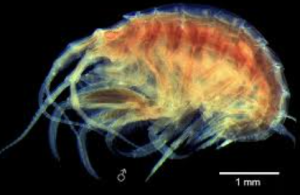
A rare marine shrimp-like species has been discovered from Arjyapalli in Ganjam, Odisha. The species Stenothoe iowryi was first recorded in Malayasia. The researchers collected eight specimens and detailed study confirmed it to be a new species to India. The animal has large claws and prefers to live in rocky environments. It is about 5.5 mm in length.
New Plant Species From Grasslands of Manas National Park, Assam
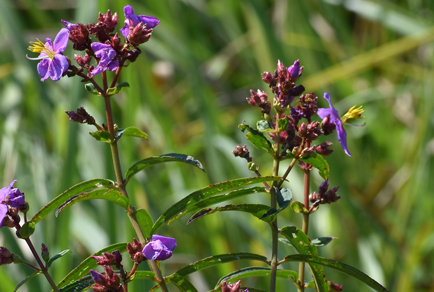
Researchers from the NSS college in Kerala have discovered a new plant species from the grasslands of Manas National Park and named it after music icon Zubeen Garg. Osbeckia zubeengargiana was discovered during a botanical survey between 2021 and 2025 in Baksa district of Assam. It is a perennial shrub that grows to 2.5 to 3.5 m tall and produces pink flowers. The flower blooms between mid-September and January.
Read More: LED Lit Fishing Nets Can Save Sea Turtles
Cat Fish Species from the Western Ghats
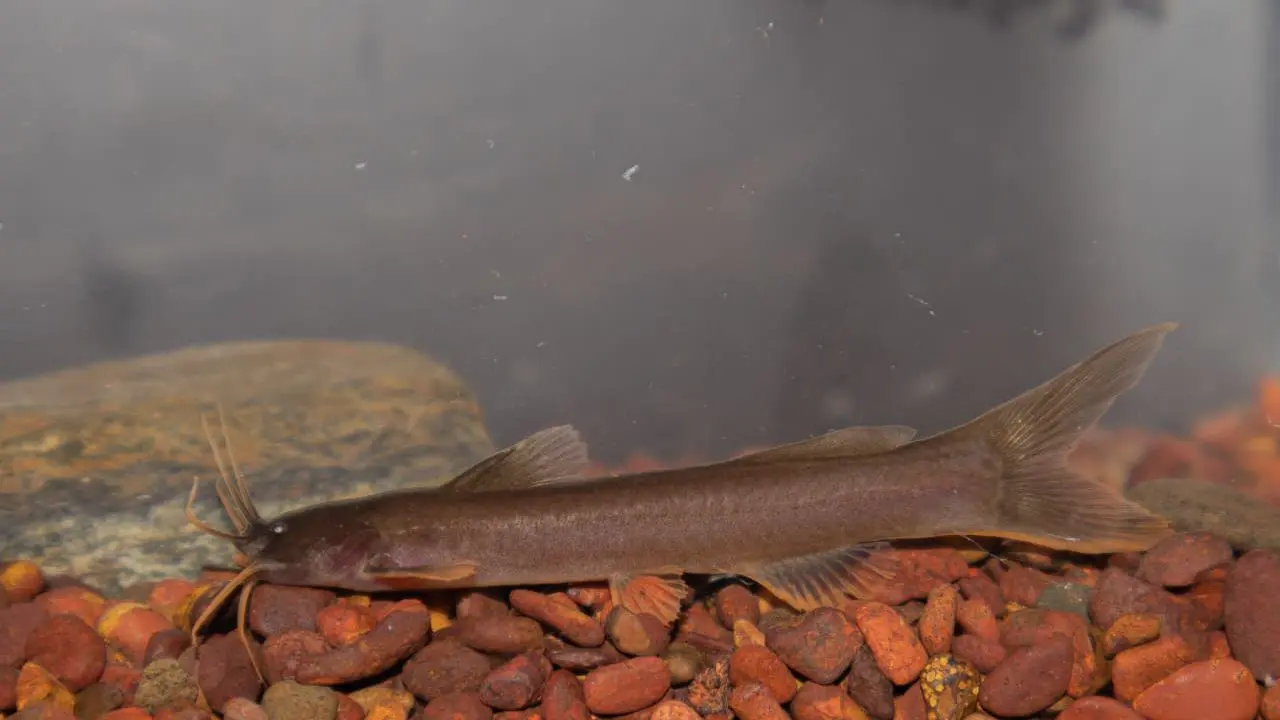
A fish that lives in shallow hill streams made up of sand, pebbles and stones has been discovered in the Western Ghats between Goa and Maharashtra. The fish prefers to live in this microhabitat and forage for food. The new species was seen only twice by the researchers during their five year long field study highlighting its rarity and the importance of the habitat.
The catfish has been named Amblyceps vayavy. The name ‘vayavy’ means ‘northwest’ in Marathi and Konkani, referring to the species’ habitat in the northwestern part of the Western Ghats.
New Species of Night Frog from Western Ghats Named After Kali River
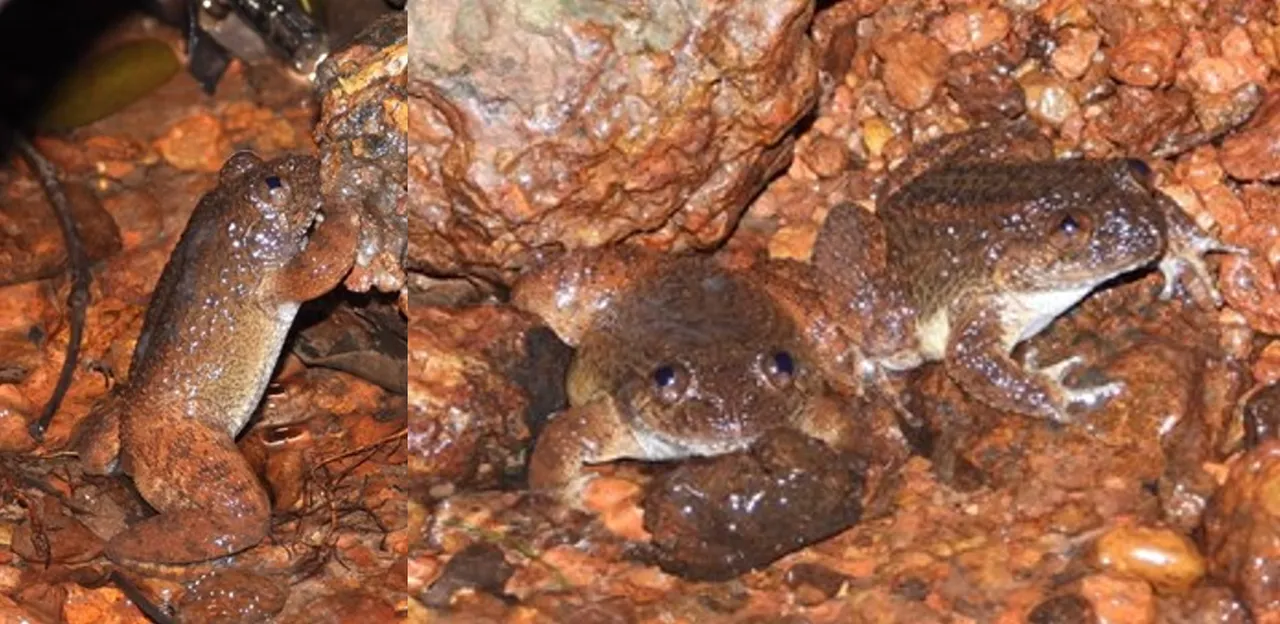
Researchers and forest staff of the Kali Tiger Reserve have discovered a new night frog species from the forest. The frog has been named Nyctibatrachus kali (Kali Night Frog) in honour of the Kali River. The frog is said to be a cryptic species, meaning it is morphologically similar to another frog (Kumbara night frog) but DNA analysis shows it to be a distinct species.
Two New Plants Species from Arunachal Pradesh
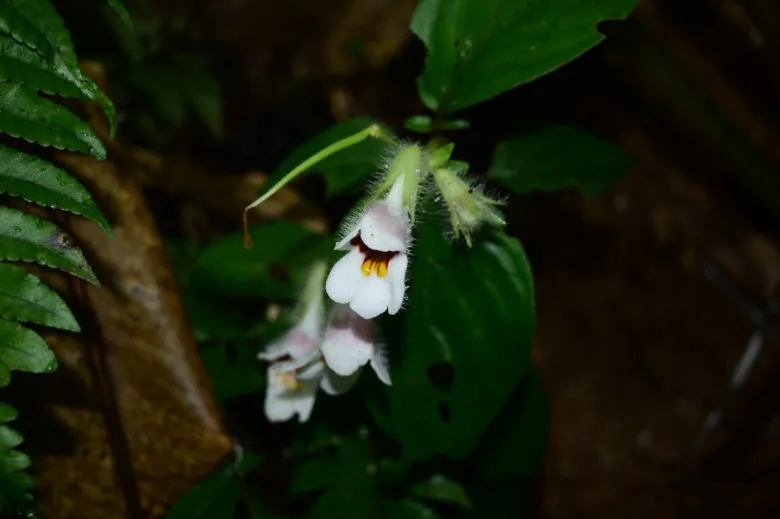
During field surveys in Upper Subansiri and West Siang districts of Arunachal Pradesh, researchers discovered two new species of plants namely – Henckelia clarkei and Henckelia zingnui. The two belong to the Gesneriaceae family. The plants were found in key road corridors.
Henckelia clarkei was recorded from the Raga–Daporijo stretch in Upper Subansiri, growing on open hill slopes in tropical montane forests, while Henckelia zingnui was discovered along the Daporijo–Aalo route in West Siang, thriving in damp, shaded forest patches near streams according to East Mojo
H. clarkei honours noted botanist Charles Baron Clarke, while H. zingnui is named after Chou Zingnu Namchoom, a youth leader from Arunachal Pradesh known for promoting biodiversity awareness, the report adds.
Butterfly Species from Arunachal Pradesh Named After Singer Zubeen Garg
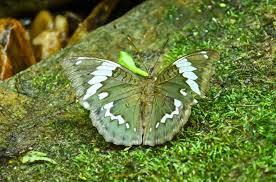
A newly identified butterfly species discovered in Arunachal Pradesh has been named after Assamese music icon Zubeen Garg, highlighting both the region’s rich biodiversity and the enduring cultural legacy of the celebrated singer.
Butterfly enthusiast and policeman Roshan Upadhaya, along with researcher Kalesh Sadasivan discovered the species classified as Euthalia (Limbusa) zubeengargi from the Basar region of Leparada district. The species inhabits semi-evergreen forest ecosystems at elevations of around 600-700 metres, where it is usually found in shaded understories. But during the survey it was only found twice leading to the theory that it could be either very rare or difficult to find in the dense forests.
The butterfly has olive-brown wings marked with white patterns and a faint iridescent sheen.


One thought on “New Species of Animals and Plants Discovered in India this March (2026 update) ”