Quick Glance
- New research by Nagaland University links poor water quality in Loktak Lake to land use changes like agriculture, settlements, and jhum cultivation.
- Rivers feeding the lake—especially Nambul and Khuga—show high organic pollution and low oxygen levels due to runoff and waste discharge.
- Loktak Lake’s unique ecosystem, home to the endangered Sangai deer and the world’s only floating national park, is now under threat from rising pollution.
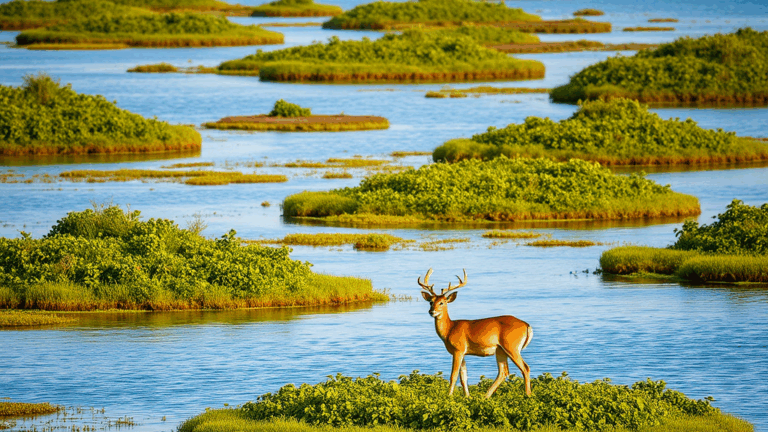
Imagine a lake where islands float like magic carpets, with rare deer hopping around and a vibrant community living and earning livelihood from the resources of the ecosystem. Loktak Lake in Manipur is one of nature’s marvels that defies the way we understand static land and flowing water. It is spread out like a mosaic of green moving rings on a blue background in the heart of Manipur and has sustained life around it for centuries. Now, pollution is poisoning the pristine ecosystem with sewage and farm chemicals, as per a new research by Nagaland University. The unique lake is under threat.
Nestled in the heart of Manipur’s picturesque Imphal valley, Loktak Lake is not just the largest freshwater lake in Northeast India but also a distinctive natural wonder of global importance. Spanning approximately 287 sq km and varying in size with the seasons, Loktak Lake is world-renowned for its floating islands known locally as phumdis. These phumdis, which are masses of vegetation, soil, and decomposed organic matter, create a rare and vibrant ecosystem that defines the lake’s identity and supports a fascinating mix of life.
Read More: 8 Animals Found Only in One Place in India
But recent research points out that changes in land use — agriculture, settlements, and shifting cultivation — have been deteriorating the water quality of rivers feeding the lake, threatening its biodiversity and the livelihoods of the local communities.
The study led by Eliza Khwairakpam from Nagaland University was published in the International Journal of Environment and Pollution in September 2025.
Understanding the Extent of Water Pollution
To understand the land use and its impact on river water quality, the researcher carried out field sampling on nine major rivers flowing into Loktak Lake—namely Khuga, Western, Nambul, Imphal, Kongba, Iril, Thoubal, Heirok, and Sekmai—to investigate the causes behind water quality issues.
Using detailed Land Use Land Cover (LULC) mapping, Dr. Khwairakpam analysed the relationship between different land activities like agriculture, forest cover (both dense and degraded), human settlements, shifting cultivation (jhum), and water bodies, with water quality measures such as dissolved oxygen (DO), biological oxygen demand (BOD), and temperature.
Dr. Khwairakpam explained to Eastern Mirror Nagaland how land use choices around rivers directly impacted the pollution of the lake. “Our study confirms that land use decisions across villages and forest landscapes upstream are directly impacting water quality downstream.”
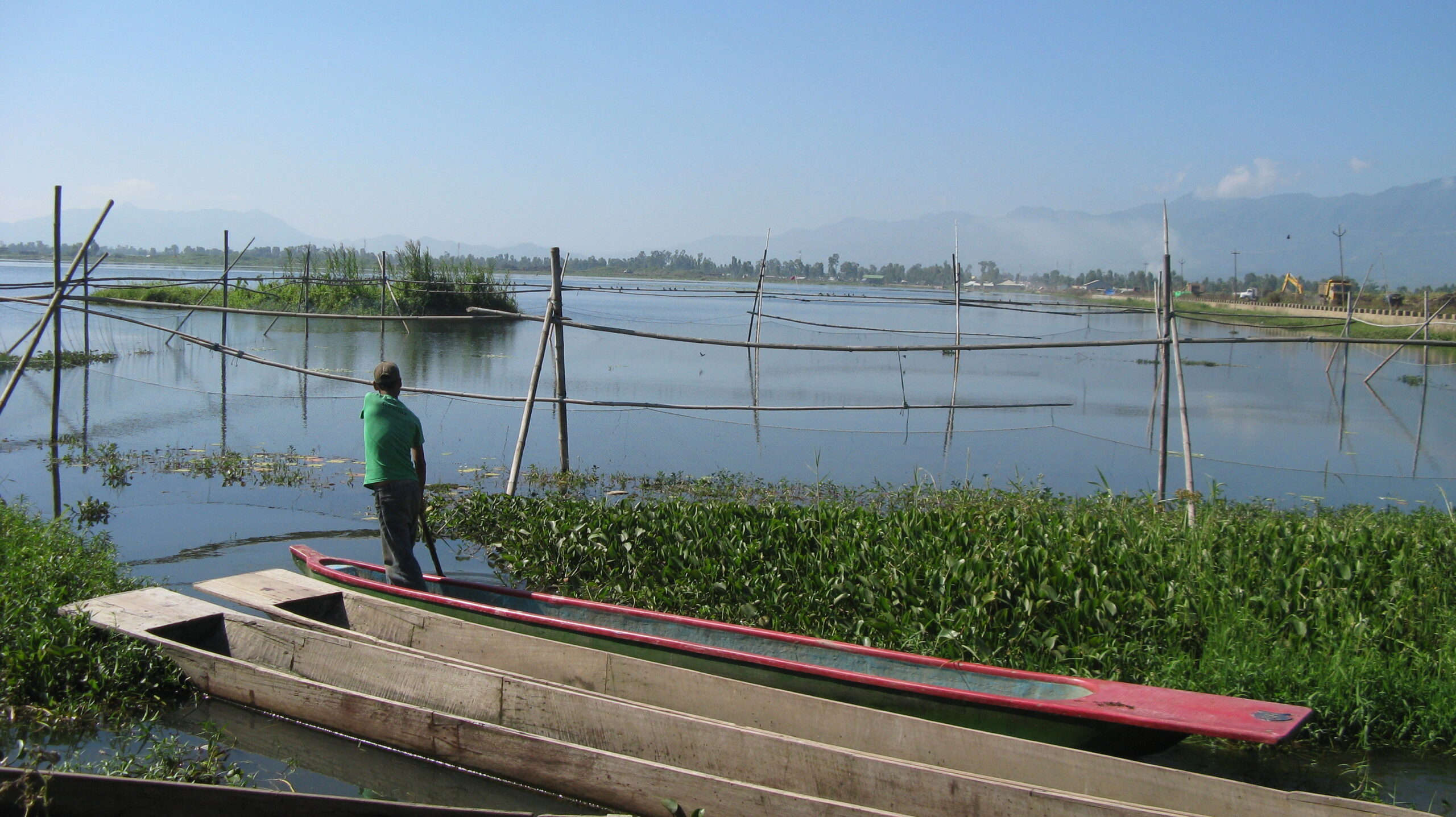
Among the rivers studied, the Nambul River was found to be the most polluted, characterised by low oxygen levels and high organic contamination. This was linked to its sub-catchment comprising 47% agricultural land and 11% settlements.
Surprisingly, the Khuga River showed the second worst water quality despite greater forest cover. The researcher believes this was due to extensive jhum cultivation covering 42% of that area. Jhum cultivation, also known as shifting cultivation or slash-and-burn agriculture, is a traditional farming practice where a patch of forest land is cleared, dry vegetation burnt, and multiple crops sown for a few years before moving on to the next patch of land.
Rivers like Iril and Thoubal, flowing through predominantly forested landscapes, exhibited better water quality, underscoring the protective role of intact natural vegetation.
A Lake Supporting Ecology and Economy
The significance of Loktak Lake is deeply rooted in the cultural, economic, and ecological fabric of Manipur. It serves as the lifeline of the region by providing water for drinking, irrigation, and hydropower generation while sustaining the livelihoods of around 1 lakh people who inhabit its shores and floating islands. The lake is also culturally sacred and has been featured in local myths and legends, enriching the heritage of the Meitei people and other communities.
What makes Loktak truly exceptional are the phumdis, which float on the lake’s surface and range in size and thickness. They survive through a unique annual cycle: during dry seasons, their roots anchor to the lakebed to absorb nutrients, while in the wet season, they float freely on the rising waters.
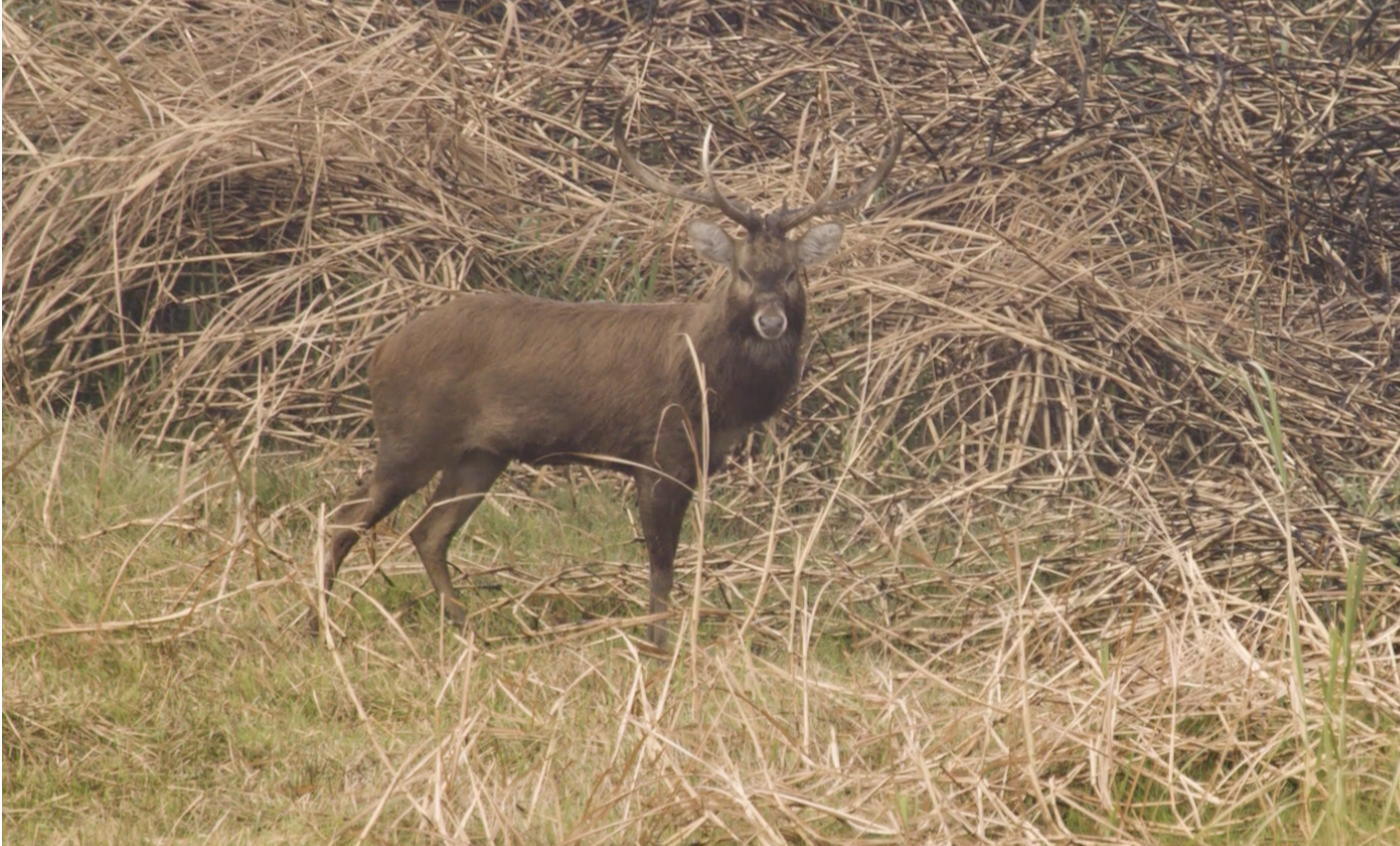
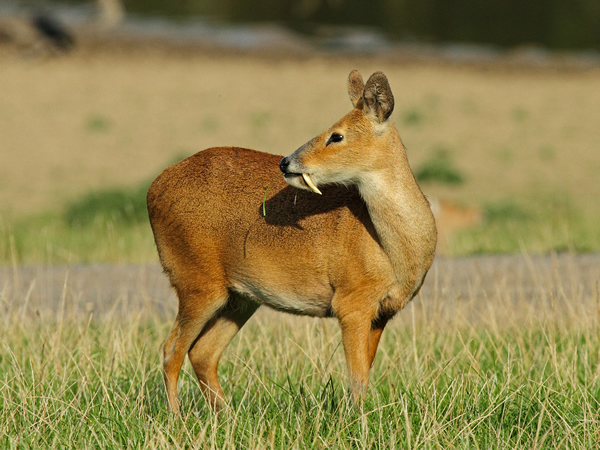
This delicate balance supports the largest floating national park in the world—Keibul Lamjao National Park, famously home to the endangered Manipur brow-antlered deer or sangai deer. It is Manipur’s state animal and a symbol of the lake’s rich biodiversity hoping from one phumdi to another giving the appearance of a dancing deer.
The lake area as per the 2013 census has 212 Hog deer and 204 Sangai deer. The lake also supports over 130 plant species and more than 400 animal species including globally threatened species like the Black ‐ necked Stork (Ephippiorhynchus asiaticus) Oriental Darter (Anhinga melanogaster) and Ferruginous Pochard (Aythya nyroca).
Loktak is a designated Ramsar Site, recognised for its ecological significance, and requiring a high degree of sustainable management.
Khwairakpam emphasizes the critical need for community-driven land management combined with stringent limits on agricultural runoff and waste discharge to help revive Loktak Lake. She notes that managing land around the lake is not just an environmental issue but a means to safeguard local livelihoods. Effective catchment-wise land use policy, sustainable farming practices, and regulated jhum cycles are essential to protect India’s only floating national park.
Reference, Reference, Reference
Featured Image Ai generated for illustrative purpose only

One thought on “Floating Paradise in Peril: Water Pollution Endangers Manipur’s Loktak Lake”