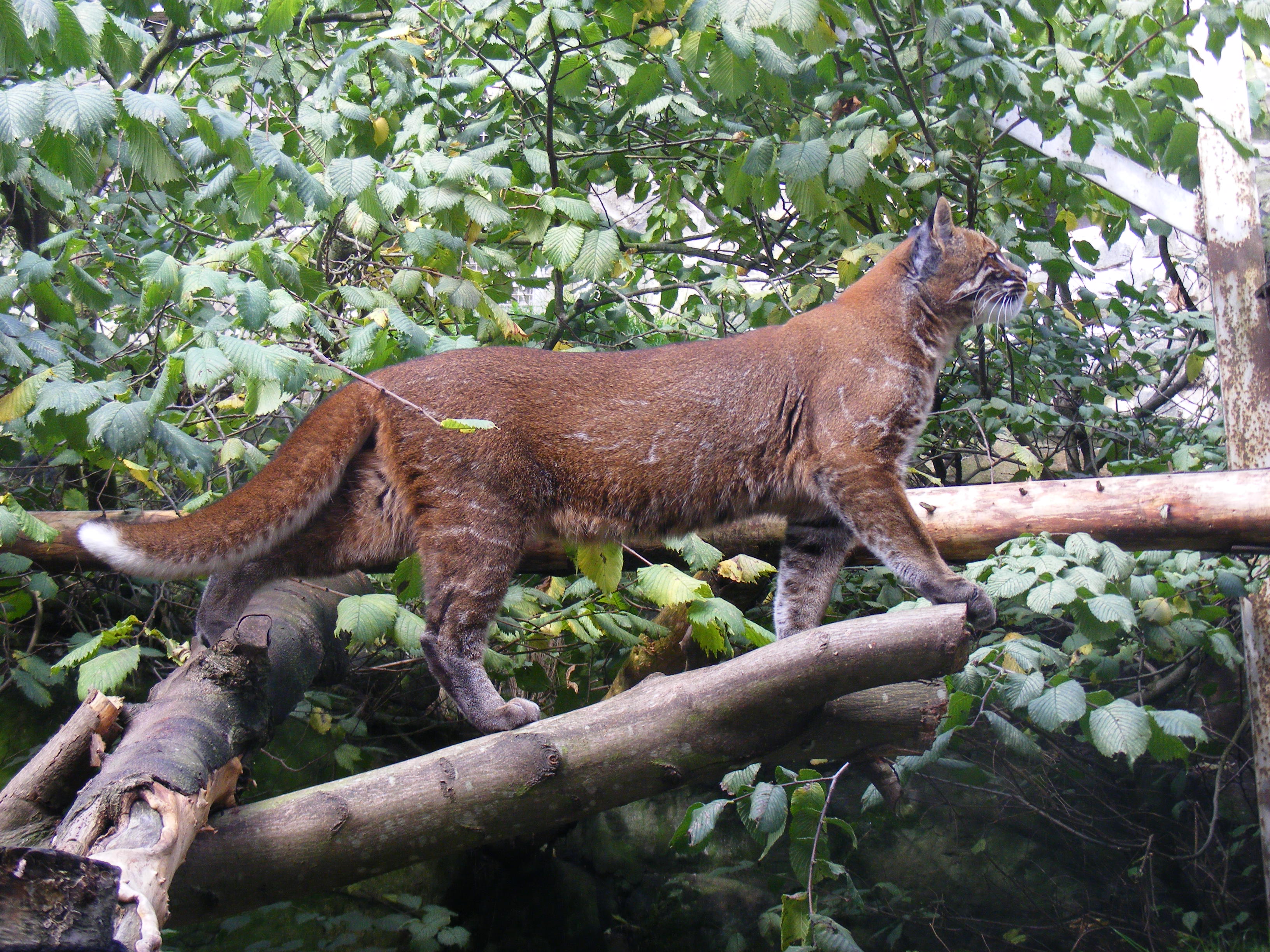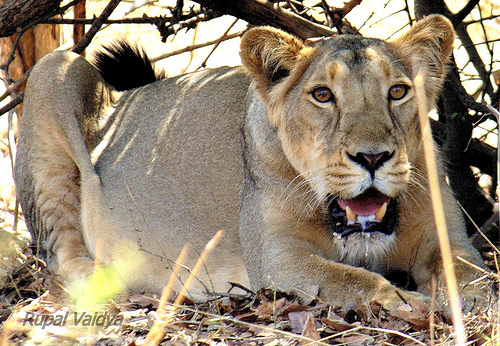
India is home to an extraordinary variety of wildlife, but many of its species are facing serious threats. According to the International Union for Conservation of Nature (IUCN) Red List, India has 479 species of animals, 286 species of plants and 2 species of fungi that are considered as endangered*(IUCN2025). From these, certain animals stand out due to a combination of urgency of conservation, ecological significance, and uniqueness to India. The following list highlights five such species—the Tiger, Asian Elephant, Gangetic Dolphin, Dhole and the Lion Tailed Macaque—each representing different habitats, ecosystems, and the critical challenges of wildlife conservation in the country. These animals are not only symbols of India’s natural heritage but also indicators of the health of the ecosystems they inhabit.
What is an Endangered Species?
An Endangered species is a species that faces a very high risk of extinction in the wild. It is the second-most severe conservation status for wild populations, after Critically Endangered.
The IUCN determines a species’ conservation status using a set of five quantitative criteria (A–E). To be classified as endangered (EN), a species must meet at least one of these criteria, which cover factors such as population size, rate of decline, and geographic range.
- Criterion A: A significant population reduction over a specific period or number of generations.
- Criterion B: A restricted geographic range showing fragmentation or continued decline. This includes specific thresholds for extent of occurrence (less than 5,000 km²) and area of occupancy (less than 500 km²).
- Criterion C: A small population size (fewer than 2,500 mature individuals) combined with a continuing decline.
- Criterion D: A very small or restricted population, defined as fewer than 250 mature individuals.
- Criterion E: Quantitative analysis indicating a high probability of extinction in the wild within a specified timeframe.
Here are the top endangered species from India based on their iconic status in the country. One is the national animal of India and another the national aquatic animal of India, and yet, both feature in our endangered species list.
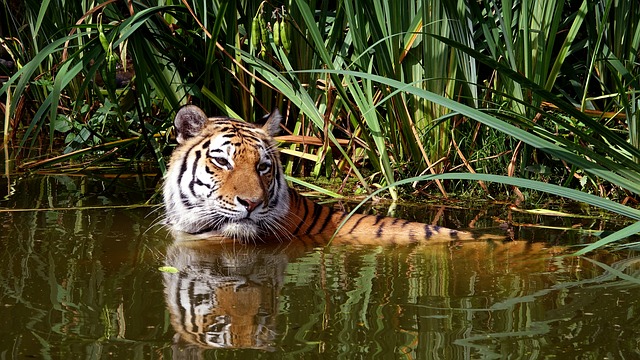
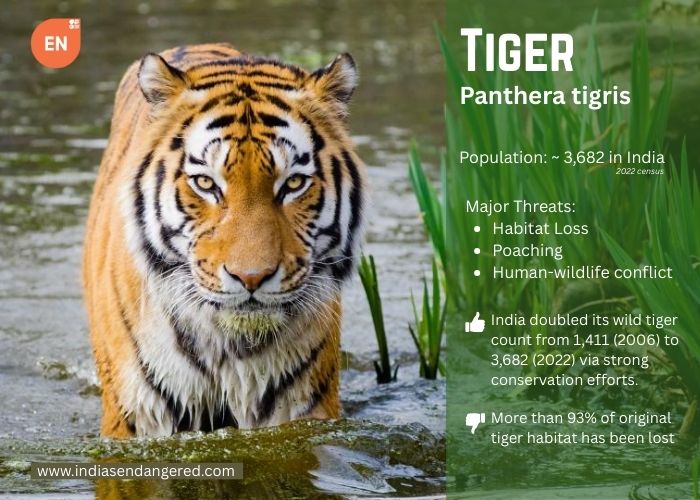
Tiger
Scientific Name
Panthera tigris
Geographic Range in India
Andhra Pradesh, Arunachal Pradesh, Assam, Bihar, Chattisgarh, Goa, Jharkhand, Karnataka, Kerala, Madhya Pradesh, Maharashtra, Orissa, Rajasthan, Sikkim, Tamil Nadu, Uttarakhand, Uttar Pradesh, West Bengal
Population in India
India is home to an estimated 3,682 wild tigers, according to the All India Tiger Estimation conducted in 2022, with a range of 3,167 to 3,925 individuals. This represents 75% of the global tiger population.
Top 3 Threats to Tigers in India
1. Habitat Loss and Fragmentation:
Rapid urbanization, deforestation, mining, and agricultural expansion have dramatically reduced and fragmented tiger habitats, making it harder for tigers to find prey, breed, and survive.
2. Poaching and Illegal Wildlife Trade:
Tigers are targeted for their skins, bones, and other body parts, which are illegally traded for use in traditional medicine, trophies, and ornaments. This has been a persistent and major threat to their survival.
3. Human-Wildlife Conflict:
As tiger habitats shrink, encounters with local communities increase. Retaliatory killings (in response to livestock loss or attacks), accidental trapping, and conflict over resources continue to endanger tigers in several regions
More details on the IUCN Red List page
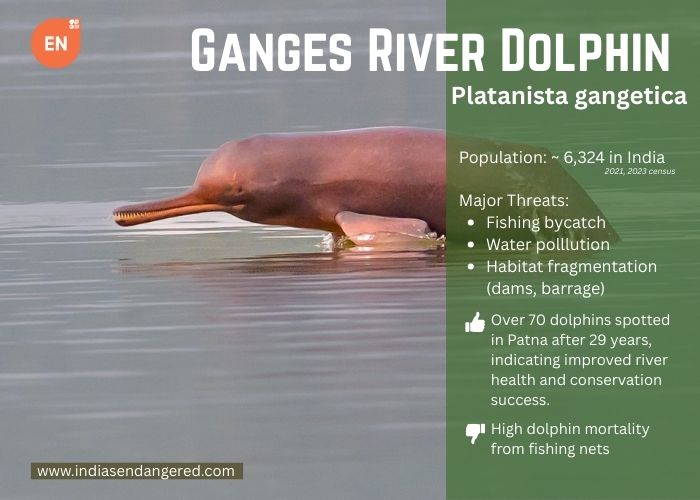
Ganges River Dolphin
Scientific Name
Platanista gangetica
Geographic Range in India
Ganga, Brahmaputra, Meghna, Chambal, Ghaghara, Gandak, Kosi, Son, Ken, Betwa, and Yamuna in Assam, Bihar, Jharkhand, Uttarakhand, Uttar Pradesh and West Bengal
Population in India
6324 based on 2021 and 2023 national survey
Top 3 Threats to Ganges River Dolphins in India
1. Bycatch and entanglement in fishing nets:
Dolphins accidentally get trapped in large-meshed gillnets used by fishermen, causing many deaths annually.
2. Habitat fragmentation from dams and barrages:
Structures like the Farakka Barrage block dolphin movement, isolate populations, and reduce genetic diversity.
3. Water pollution:
Industrial, agricultural, and domestic pollution degrade water quality, harming dolphin health and prey availability.
More ganges river dolphin news here
More details on the IUCN Red List Page
What is the International Union for Conservation of Nature’s Red List of Threatened Species?

Established in 1964, the International Union for Conservation of Nature’s Red List of Threatened Species has evolved to become the world’s most comprehensive information source on the global extinction risk status of animal, fungus and plant species. Based on certain criteria every species analysed for the red list is classified into categories that define the extent of threat that particular species faces.

To clarify:

Critically Endangered: Species facing an extremely high risk of extinction in the wild.

Endangered: Species at a very high risk of extinction in the near future.

Vulnerable: Species at a high risk of extinction in the medium-term future.
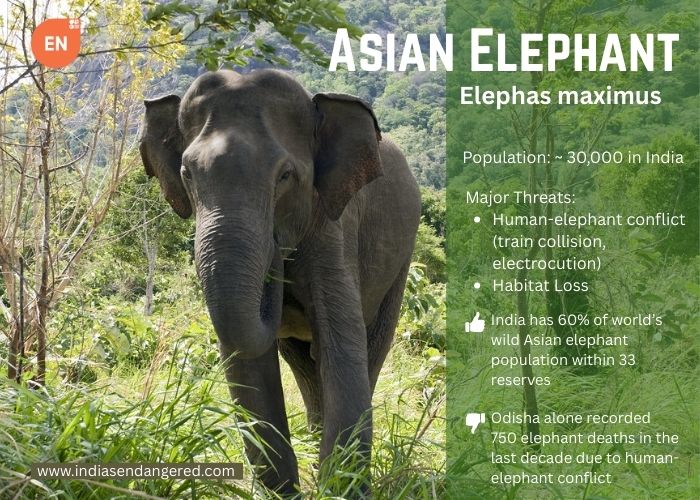
Asian Elephant
Scientific Name
Elephas maximus
Geographical Range in India
Northeastern India, Central India, Northwestern India, and Southern India.
Population in India
28,000-30,000 based on the 2017 census
Top 3 Threats to Asian Elephants in India
1. Habitat Loss and Fragmentation:
Rapid deforestation, agricultural expansion, mining, and infrastructure development have significantly reduced and fragmented elephant habitats, disrupting their migration routes and access to food.
Human-Elephant Conflict:
As elephants enter agricultural fields and villages due to shrinking habitats, crop destruction and occasional human casualties lead to retaliatory killings and injuries, escalating conflict.
Poaching and Illegal Trade:
Despite bans, male Asian elephants with tusks are targeted for ivory, and there is growing illegal trade in elephant skin, meat, and other body parts, posing a serious threat.
More details on the IUCN Red List page
Dhole
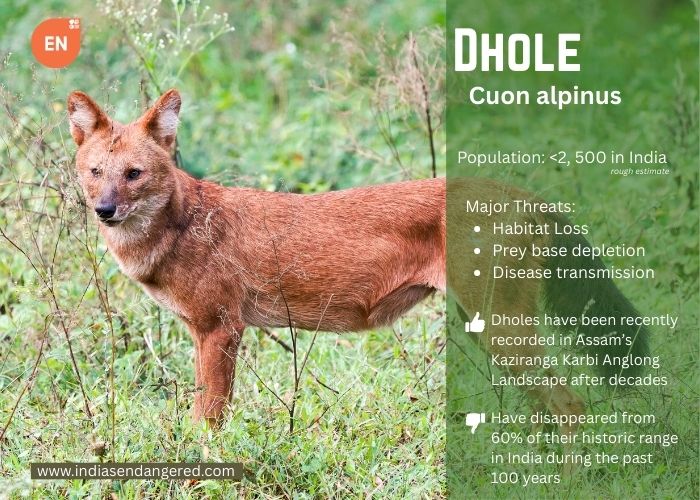
Scientific Name
Cuon alpinus
Geographical Range in India
Mainly distributed in three clusters – the Western Ghats, Central Indian landscape, and Northeast India. Stronghold in Karnataka, Kerala, Tamil Nadu and Maharashtra.
Population in India
There is no reliable nationwide figure for India’s total dhole population. Rough estimates suggest <2,500 mature individuals.
Top 3 Threats to Dholes in India
1. Habitat loss and fragmentation:
Due to deforestation, human encroachment, and infrastructure development reducing their forest habitats.
2. Depletion of prey base:
Decline in populations of ungulates and other prey species from hunting and habitat loss affects dhole survival.
3. Disease transmission:
- Dholes are vulnerable to diseases like rabies and canine distemper virus transmitted from domestic and feral dogs.
More details on the IUCN Red List Page
Lion-tailed Macaque
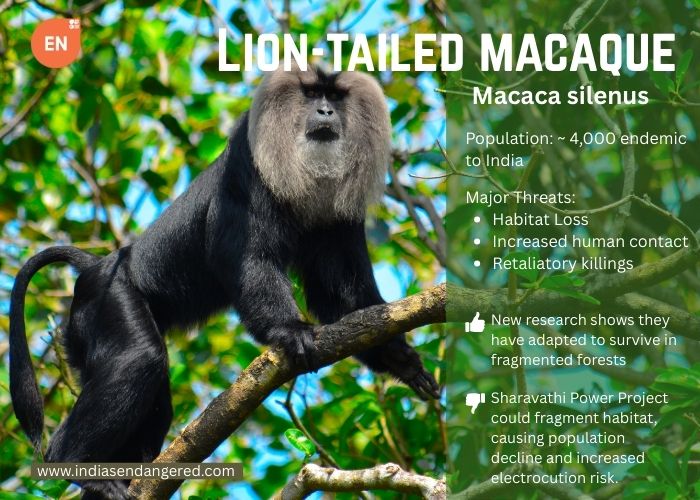
Scientific Name
Macaca silenus
Geographical Range in India
Endemic to India, found in Kerala, Karnataka & Tamil Nadu
Population in India
The total wild population is estimated to be about 4,000 individuals, made up of 47 isolated subpopulations in seven different locations.There are estimated to be fewer than 2,500 mature individuals. (IUCN 2025)
Top 3 Threats to Lion-tailed Macaques in India
1. Habitat loss and fragmentation:
Extensive deforestation for timber, agriculture, and plantations has destroyed and fragmented their rainforest homes in the Western Ghats, causing population isolation and genetic bottlenecks.
2. Human interaction and food provisioning:
Increasing contact with humans, including feeding and waste consumption, leads to malnutrition, disease, altered behavior, and higher risk of road accidents and aggressive encounters.
3. Hunting and human-wildlife conflict:
- They are threatened by poaching, accidental killings, and retaliatory actions when they enter farmland or settlements due to shrinking habitats.
More lion-tailed macaque news here
More details on the IUCN Red List page
* This data is based on IUCN. 2025. The IUCN Red List of Threatened Species. Version 2025-1