25 January 2026 – 30 January, 2026. Top pick of India’s threatened wildlife photography this week. All photographic content is © by the respective photographers.
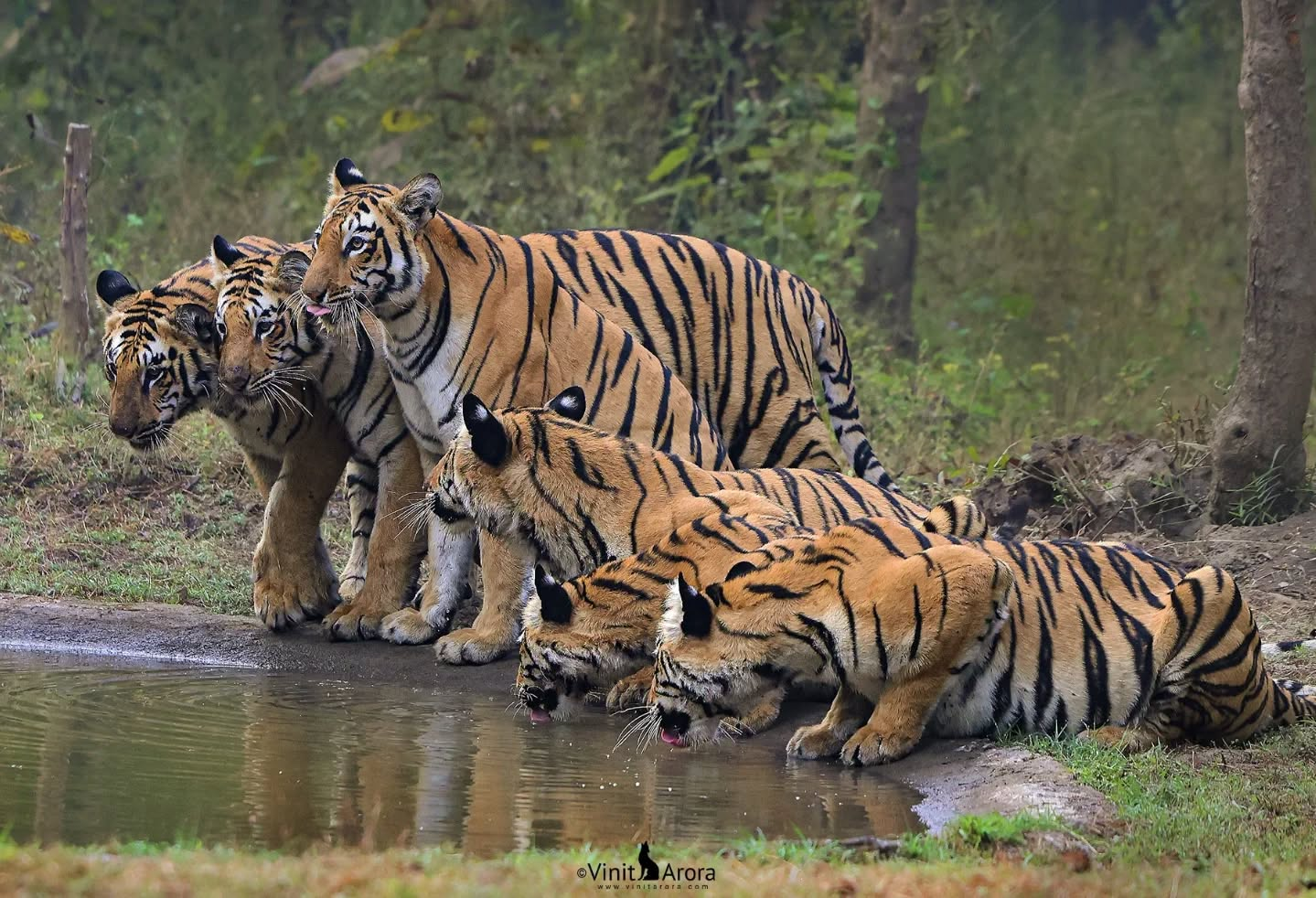
Six tigers crowd a shrinking forest waterhole at Umred–Karhandla Wildlife Sanctuary, Maharashtra — a fleeting scene of abundance in a landscape where water, space and survival are increasingly contested.
Conservation Status: Endangered
Wildlife Photograph by: Vinit Arora / Facebook
Read More: Wear a Mask Backwards to Save Yourself from a Tiger
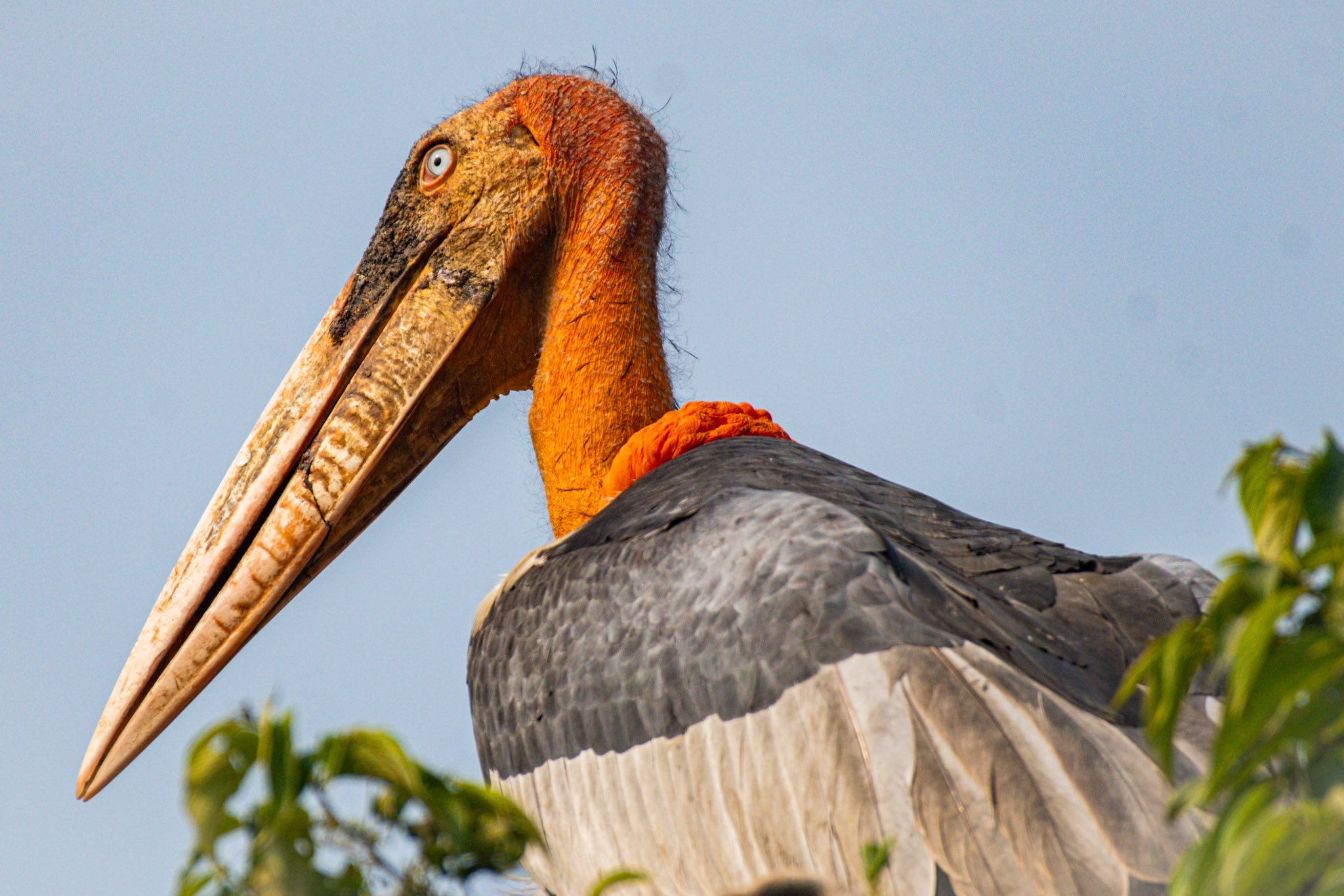
A Greater Adjutant Stork perches above the wetlands of Bhagalpur, Bihar — one of the last strongholds for a species once widespread across south and southeast Asia. Listed as Endangered, the stork’s survival today is closely tied to a handful of breeding colonies, where protection and local stewardship have become critical to pulling the species back from the brink.
Conservation Status: Near Threatened (upgraded from Endangered recently by IUCN)
Wildlife Photograph by: Wildindiatravels / Facebook
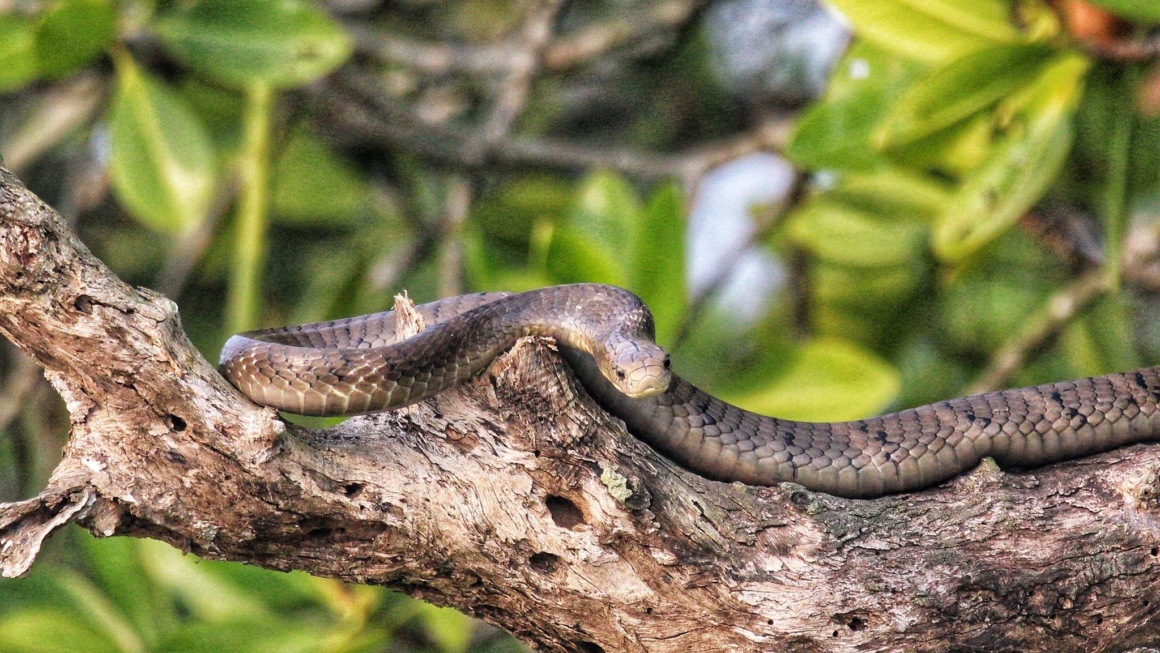
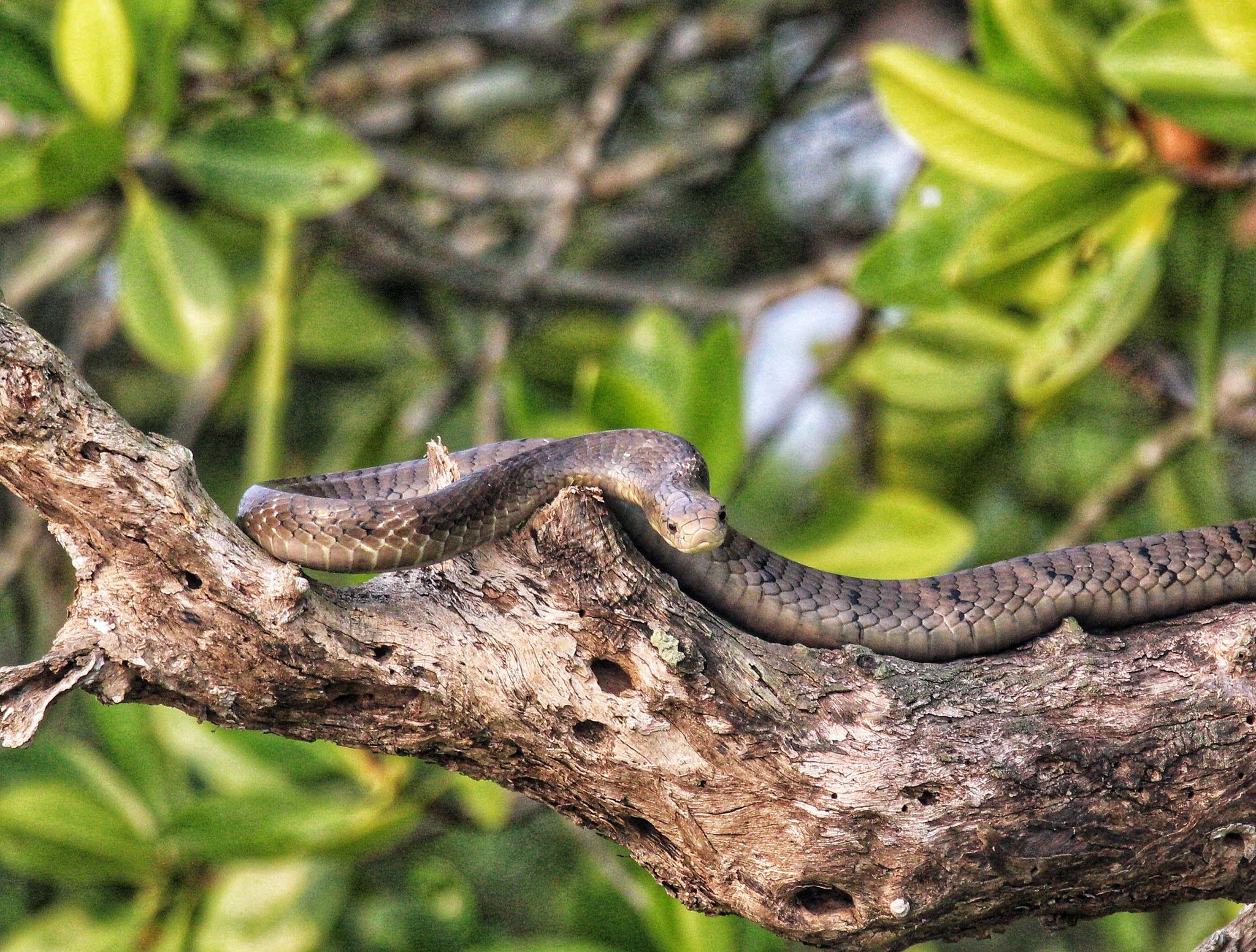
A king cobra moves along a mangrove branch in the Sundarbans, India. The world’s longest venomous snake, it is both predator and keystone species here, where shrinking mangroves and rising sea levels are steadily narrowing its forest refuge.
Conservation Status: Vulnerable
Wildlife photography by: Ayan Mandal / Facebook
Read More: India’s Most venomous snakes are moving north because of climate change
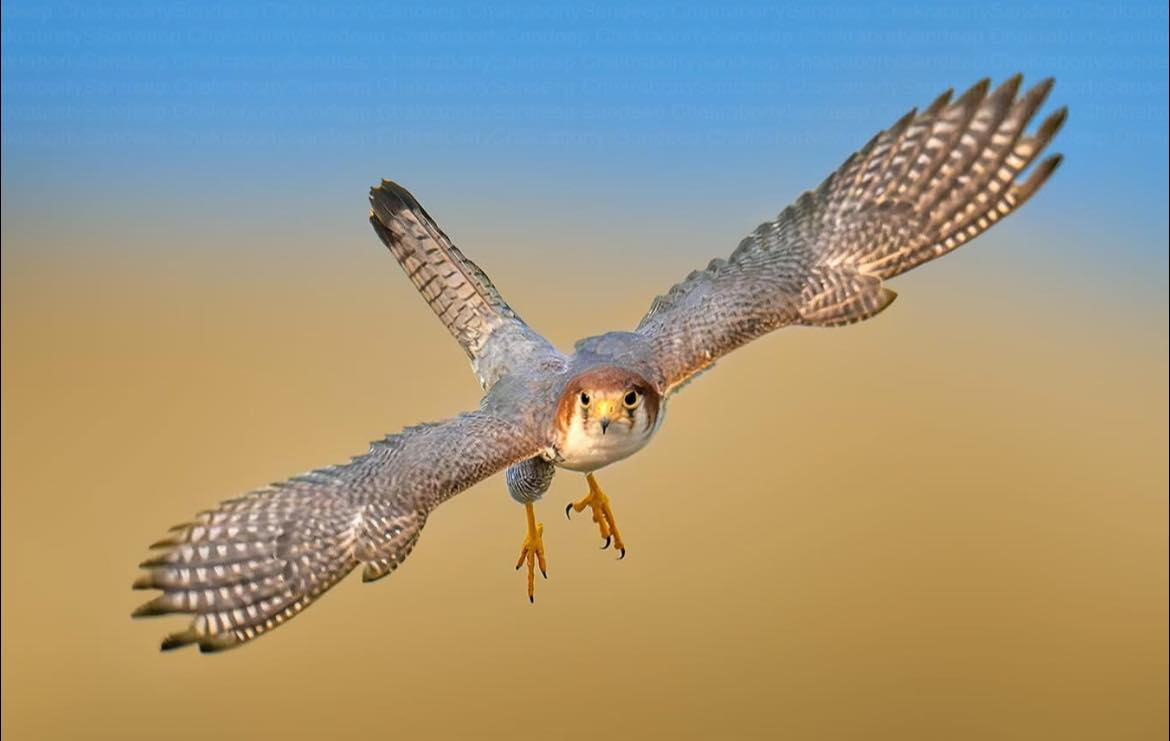
A red-necked falcon flies low over the outskirts of Ahmedabad. Once widespread across the Indian subcontinent, this agile raptor is now increasingly confined to fragmented open landscapes, where grasslands and scrub are giving way to expanding cities.
Conservation Status: Near Threatened
Wildlife photograph by: Sandeep Chakraborty / Facebook
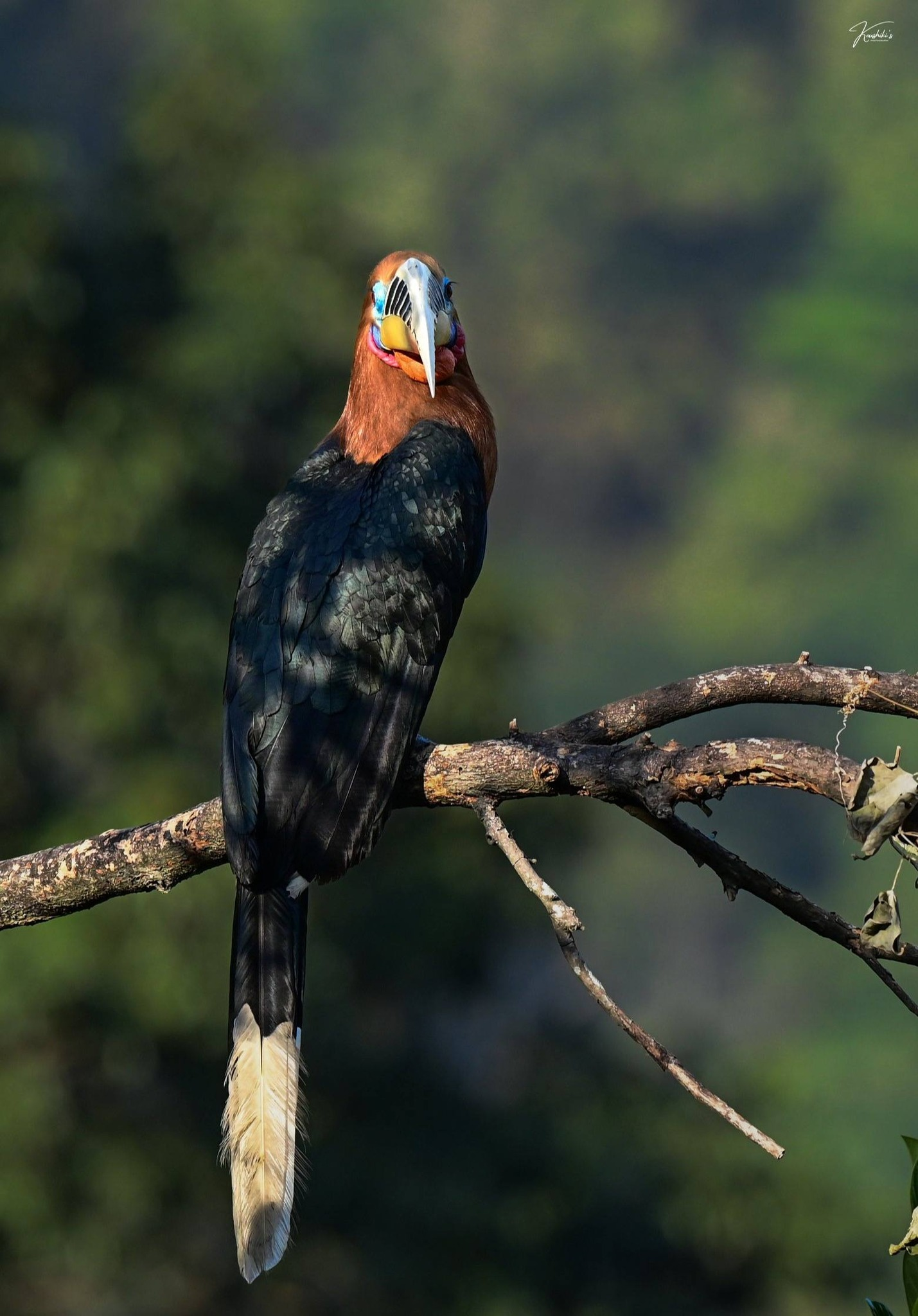
A rufous-necked hornbill perches quietly on a forest branch at Latpanchar, its chestnut head and pale ivory bill standing out against the dark, layered greens of the eastern Himalayan foothills. One of India’s largest forest hornbills, the species depends on intact, fruit-rich forests for survival and is highly sensitive to disturbance.
Conservation Status: Vulnerable
Wildlife photograph by: Koushiki / Facebook
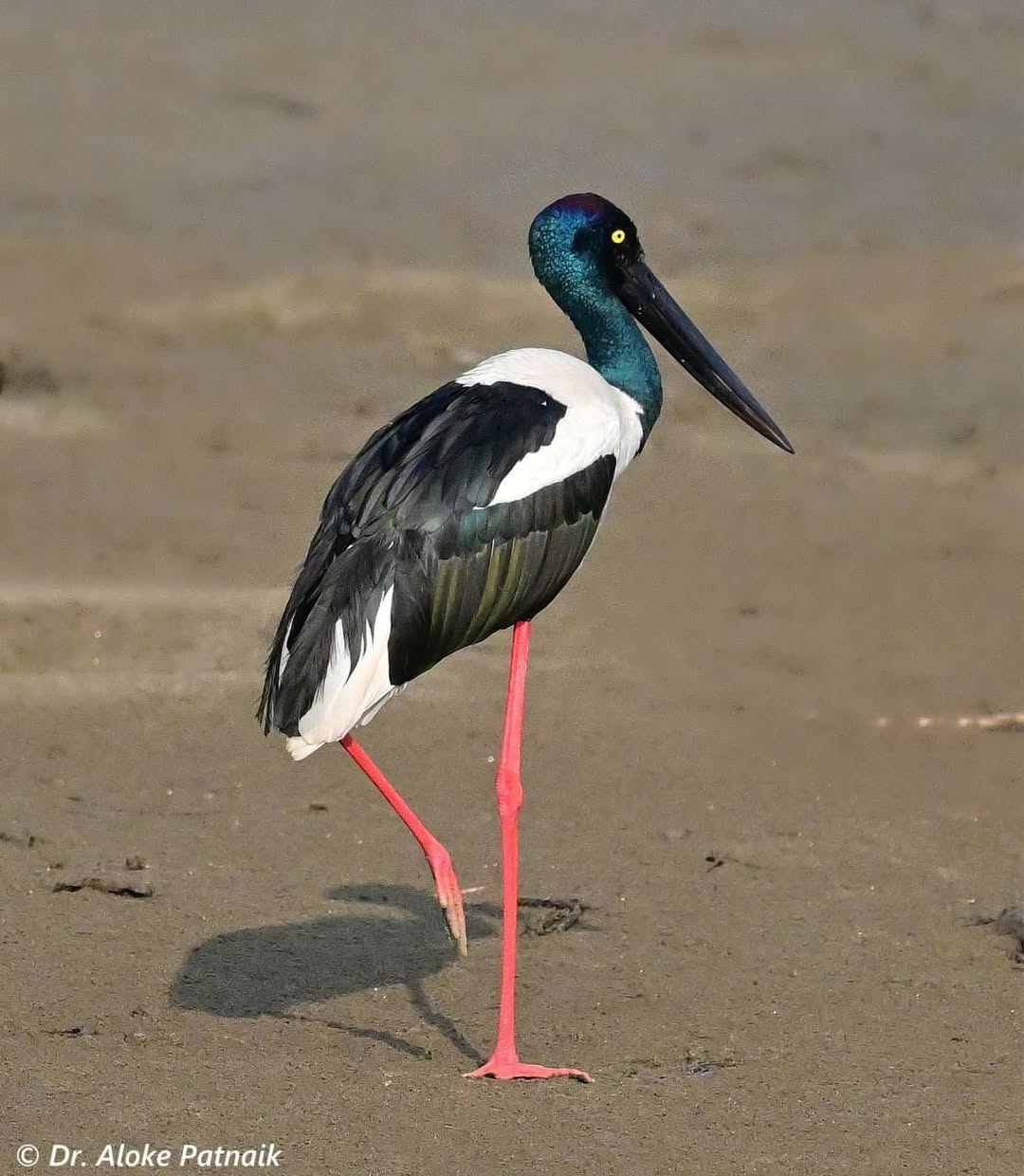
A black-necked stork stands alert on the sandy riverbed at Dikhala, its iridescent blue-green neck catching the light, long coral-pink legs stark against the muted earth tones of the floodplain. Among the tallest and rarest wetland birds in India, the species depends on undisturbed rivers, marshes and seasonal grasslands.
Conservation Status: Near Threatened
Wildlife photography by: Aloke Patnaik / Facebook
(All photographic content is © by the respective photographers. Images are published here with proper credit and are intended solely for non-commercial sharing. Any further use requires permission from the copyright holder.)

One thought on “WildShots: Six Tigers at once, King Cobra in Sundarbans, Rufous-necked Hornbill”