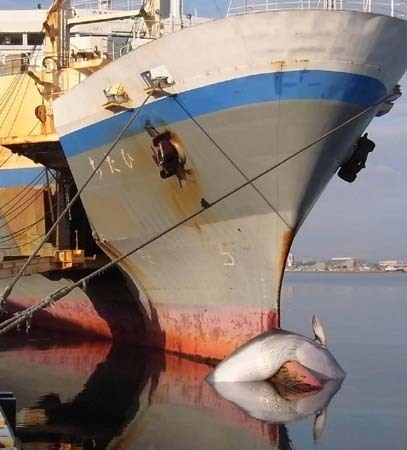
A new study conducted by researcher along Kerala coasts find that the number of whales and other marine animals getting hit by ships has increased significantly in the past few months. The stranded sea animals also include some rare and endangered species like the Bryde’s whale. A Biju Kumar, Head of the Department of Aquatic […]
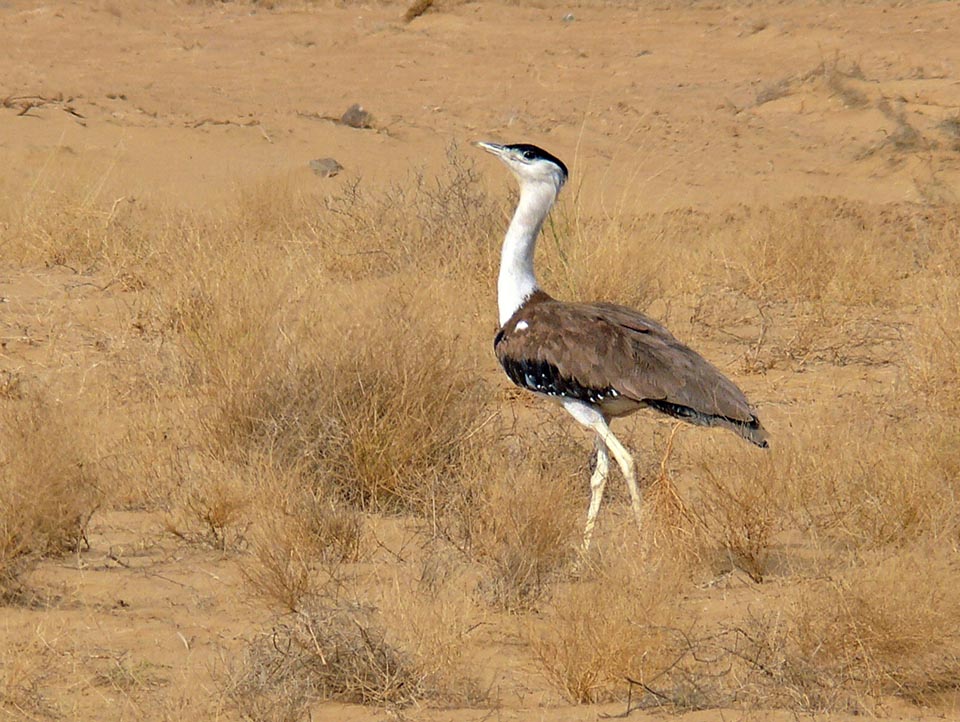
Project Bustard on the way
The Great Indian Bustard and its cousin the Lesser Floricans have something to cheer about as the year ends. The Environment Ministry has come up with specific guidelines to protect the two species that are on the verge of becoming extinct.
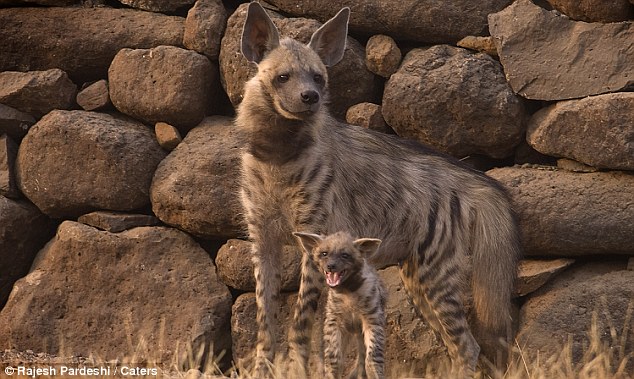
Amazing Photographs of Striped Hyena Mother and Cub
Wildlife photographer Rajesh Pardeshi had been on the lookout for days for the nocturnal striped hyenas, an endangered species. But being an animal that prowls in the night, the task to spot it was a difficult one. The photographer though got lucky when one mother hyena brought her pups out of a hidden burrow and allowed Rajesh to take some amazing pictures in broad daylight!
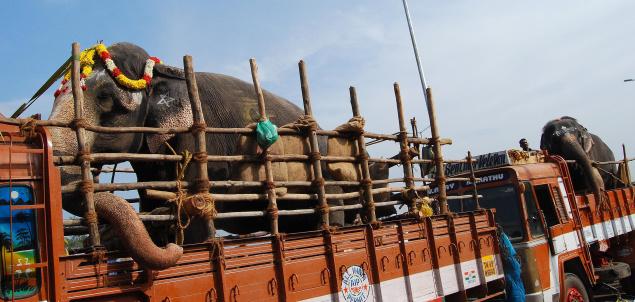
Temple Elephants head for a Rejuvenation Camp
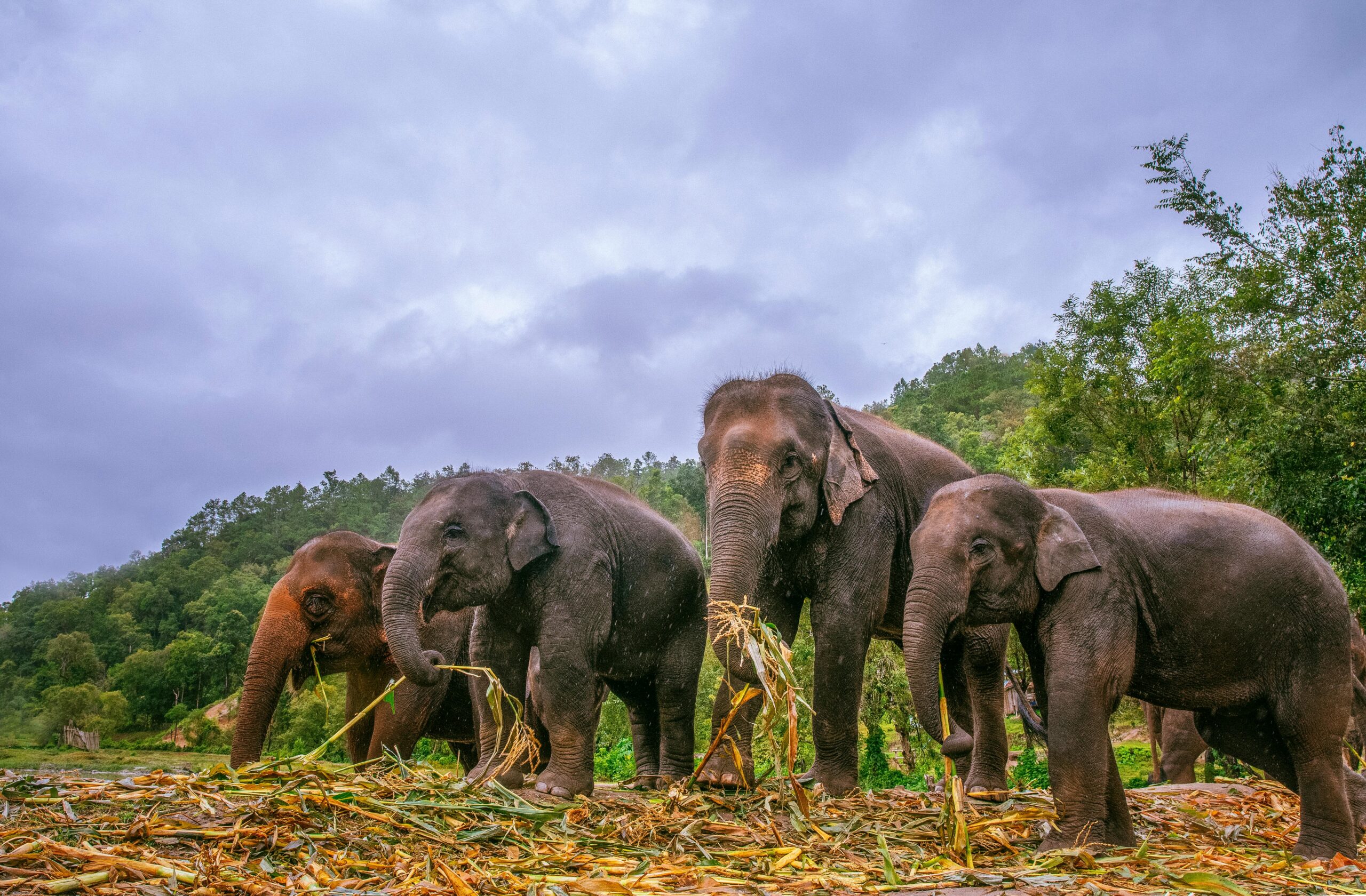
13 year old Parvathi, looked quite happy boarding her truck as she looked forward to the 48 day rejuvenation camp planned for her at the cool Madumalai forests. The resident elephant of the famous Meenakshi Sundareswarar Temple will join 34 more temple elephants to roam in the wilderness and relax at the Theppakadu elephant camp […]
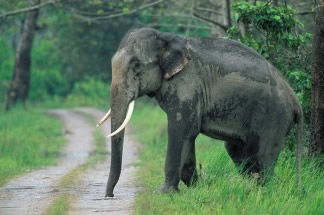
Scientists Develop Model to Predict Human-Elephant Conflict Zones
In Indian states like Assam and Kerala where the elephant population of the country is maximum the everyday battles between humans and elephants has become a cause of serious worry. No one can ask the elephants to restrict themselves just to the protected areas of the forest and avoid contact with humans, on the other hand humans too cannot be uprooted from their villages and farms. To ease the tension a team of scientists in Kerala have come up with a prediction model that helps predict possible zones where elephants might tread and come face to face with humans. If the statistical model works, it can be a huge boon in curbing the growing man animal conflicts.

Environment Ministry given Peanuts to Save the Environment
Going green it seems is not an easy task even if you happen to be the Ministry of Environment and Forest. Shockingly, the country is spending only 0.012 per cent of its GDP for addressing its primary green concerns including climate change, conservation of lakes and rivers, biodiversity, forests and wildlife, ensuring the welfare of animals and prevention and abatement of pollution.

Overharvesting Killing Life Saving Plants
North east India is a treasure trove of plant species. The region has been ranked as the sixth of the 25 mega diversity hotspot regions of the world. But sadly indiscriminate use of medicinal plants from the region is destroying the biodiversity and leaving little hope for the plants existence in future.
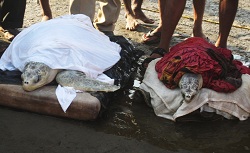
Injured Olive Ridley Turtles Saved and Released into the Ocean
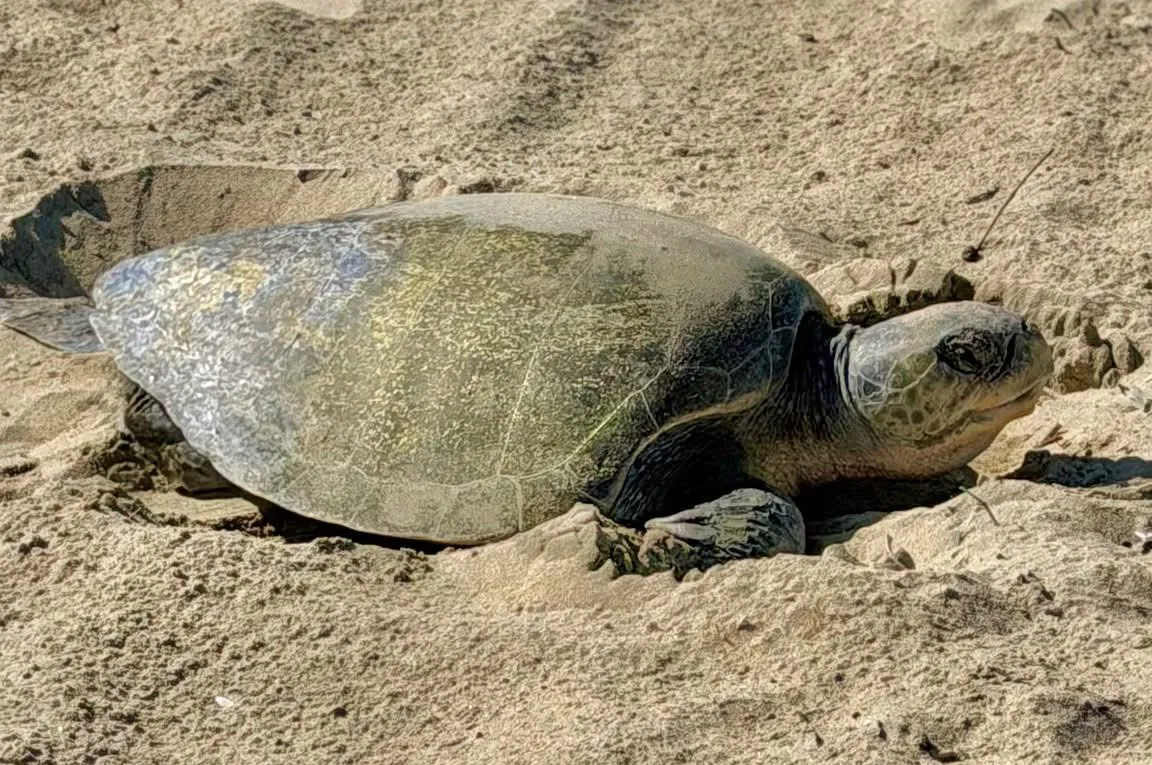
A few months back if one looked at the two Olive Ridley Turtles injured on Goa shores by boat propellers, the verdict would definitely have been death. But thanks to the efforts of International Animal Rescue team the turtles could be saved and are now back in the sea waters.
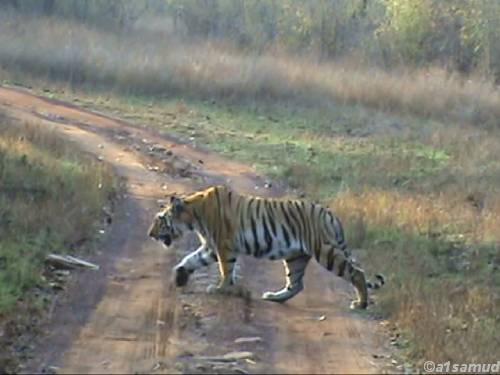
Road Block for Tigers
The tussle between environmentalists and urban developers is in the forefront once again in the state of Maharashtra where the National Highway Authority of India (NHAI) is keen to widen the National Highway NH-6 but the expansion might ruin the forest and crucial corridor of the Tigers.
Forest Department begins Mapping Eco-Sensitive Zones
The areas bordering national parks and reserves are usually rich in natural flora and fauna. The abuse of the biodiversity is also greatest in these areas as they do not fall under any protection frame. But now the forest department is trying to map the land use pattern within a radius of 10 km around national parks so as to protect these biodiversity areas and ecological corridor links.
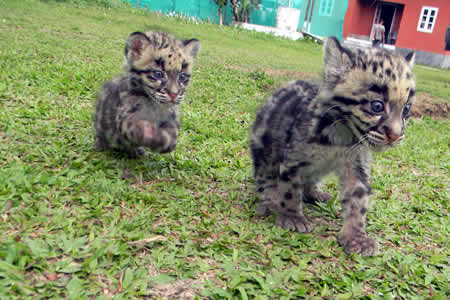
Hand raised Clouded Leopard and Bear Cubs to Begin New Life in Manas
Two rare clouded leopard cubs and four Asiatic black bear cubs that had been rescued after they were separated from their mothers, are now ready to begin their new life in the jungles of Manas National Park in Assam after having spent quite some time in human company.