As 2025 comes to an end, there is no end to the discoveries made of new animals and plants around India! In fact a new study found out that scientists are discovering new species faster than ever before. Researchers report that scientists are identifying more than 16,000 new species every year and the most discovered species are insects. India too is not far behind with new snakes, butterflies, frogs, geckos and plants being discovered in every part of the country.
Here are a few top species that were discovered from India and made known to the world in December,
A New Shieldtail Snake From Kerala

A chance encounter on a coffee farm in Jellipara village, Kerala, led to a decade-long scientific journey that culminated in the discovery of a new snake species — Rhinophis siruvaniensis. In 2015, tourist guide Basil P. Das and his father spotted an unusual little snake crawling out of loose soil. Its striking black-brown body with creamy white patches caught their eye, and Das photographed the specimen before sharing the images with naturalist David V. Raju. Their curiosity eventually reached herpetologist Vivek Cyriac of the Shieldtail Mapping Project, who recognised it as distinct.
Formally described in 2025, R. siruvaniensis belongs to the Uropeltidae family, a group of non-venomous, burrowing shieldtail snakes endemic to India and Sri Lanka. It is named after the Siruvani Hills of the Western Ghats, reflecting its restricted high-rainforest habitat.
The snake’s most unique features include its smooth, glossy brown-black upper body with irregular creamy blotches, an acutely pointed snout, and a distinctive shield-like tail tip used for burrowing through soil — a hallmark of shieldtails. Living mostly underground in loose soil and leaf litter, the species is rarely seen, emerging mainly during monsoons. Although harmless to humans, it plays an important ecological role by aerating soil and helping regulate insect populations.
Read More: India’s Most Venomous Snakes Are Moving North Because of Climate Change
Tiny Wingless Arthropod From Sikkim
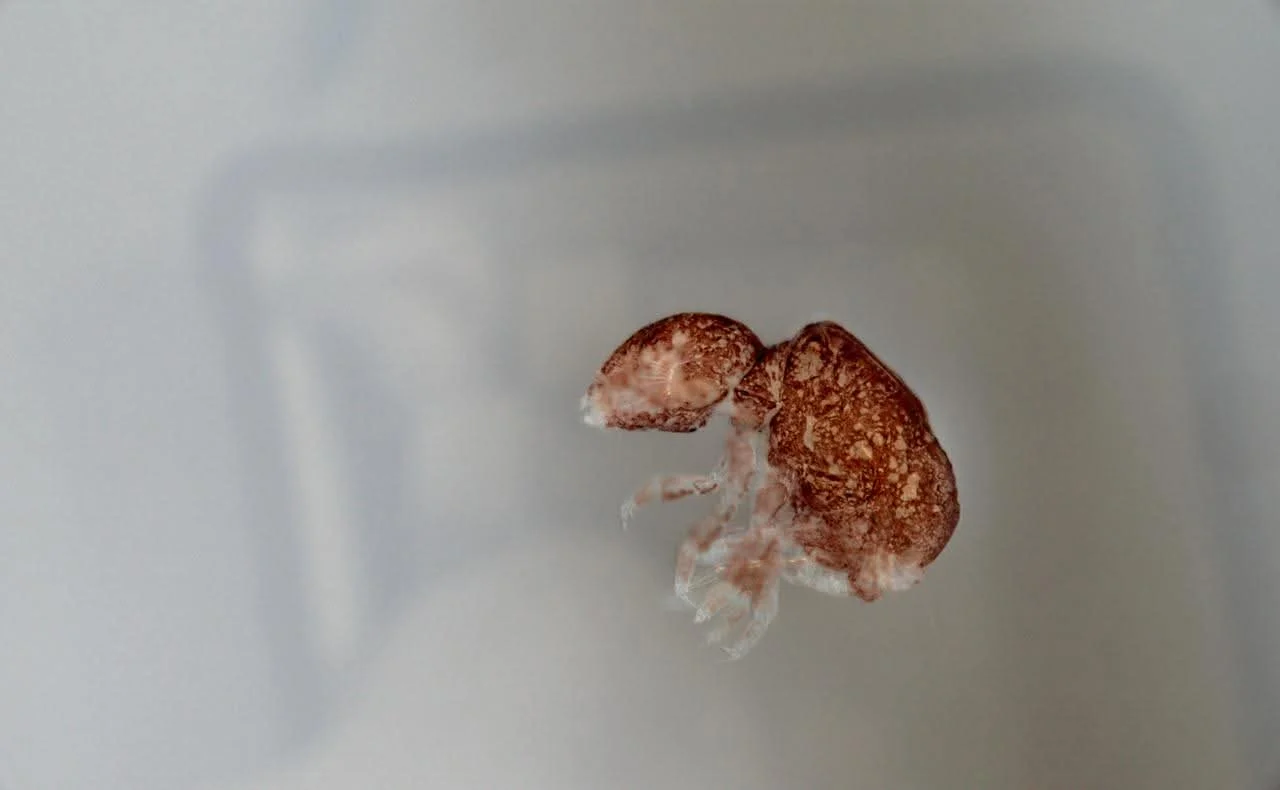
Scientists from the Zoological Survey of India (ZSI) have identified a previously unknown species of springtail, named Neelus sikkimensis, in the high-altitude soils of Sikkim’s Eastern Himalayas — marking the first record of the genus Neelus in India. Springtails belong to the group Collembola, tiny wingless arthropods that are not true insects but close relatives, known for their soil-dwelling habits and a remarkable jumping organ called a furcula which lets them “spring” about — hence the name springtails.
Located deep within damp soil and moss layers in chilly, high-elevation zones, Neelus sikkimensis is microscopic in size, lacks eyes, and shows specialised structural features adapted to life in darkness underground. One key trait separating it from related species is its unique arrangement of bristles (labral chaetotaxy) on the mouthparts — a microscopic fingerprint that helped taxonomists confirm its novelty.
The discovery was made by ZSI’s Apterygota Section, led by Dr. Gurupada Mandal, with significant contributions from Kusumendra Kumar Suman. This expands the global count of Neelus species to eight. Though tiny, springtails like N. sikkimensis are ecologically vital: they decompose organic matter and drive nutrient cycling in soils, underpinning plant growth and ecosystem health in fragile mountain environments.
Read More: A New Pika Species Discovered In Sikkim
New Fungus From Meghalaya’s Bamboo Forests
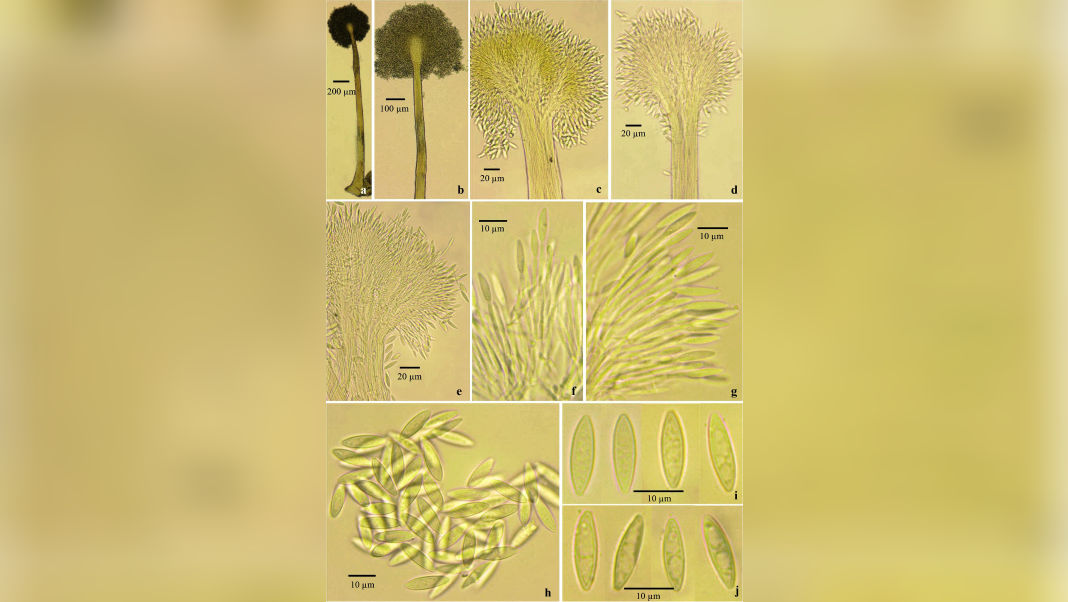
Scientists have uncovered a completely new species and genus of fungus — Parasynnemellisia khasiana — in the dense bamboo forests around Mawsynram, one of the wettest places on Earth. The fungus was found growing on decaying bamboo culms during field surveys in July 2017, but its significance only became clear after detailed laboratory analysis.
What makes this discovery remarkable is that the fungus didn’t fit into any known genus, prompting researchers to establish a new genus, Parasynnemellisia, with khasiana as its first described species. The name reflects its origin in the Khasi Hills of Meghalaya.
P. khasiana thrives on dead bamboo stems in the region’s humid, high-rainfall climate, which creates ideal conditions for specialised fungi to evolve. Its morphological features — such as the structure of its spores and growth form — are distinct enough from other known fungi to justify its classification as both a new species and a new genus.
This find adds to the growing list of hidden biodiversity in the Northeast, highlighting how even well-surveyed forest types like bamboo stands can yield surprises. Fungi like P. khasiana play important roles in ecosystems by breaking down dead plant material and recycling nutrients, yet remain among the least studied organisms.
Read More: New Animals And Plants Species Discovered In India This October (2025 Update)
Fishing Spider Found For The First Time In India From Kerala
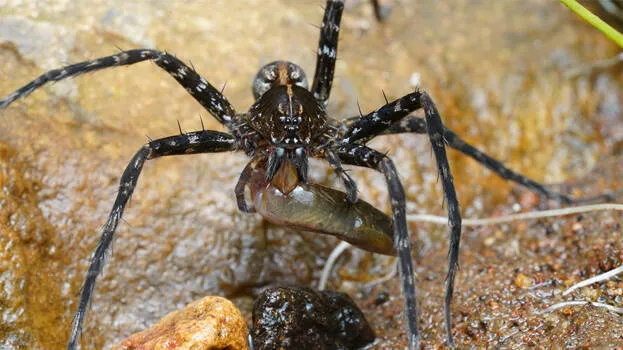
Scientists have documented the first confirmed instance of a fishing spider in India, named Dolomedes indicus, following field studies in the streams and rainforests of Wayanad and Lakkidi in Kerala’s Western Ghats. The finding was reported by researchers from the Peechi Forest Research Institute, including Dr. Jitu Unnikrishnan and colleague C.K. Arjun, and validated in collaboration with the National Institute of Biology, Slovenia.
Unlike typical web-building spiders, Dolomedes indicus is an active semi-aquatic predator that hunts directly on water. It positions itself on fallen leaves, rocks, or twigs by stream banks, and uses specialized sensory hairs to detect vibrations on the surface. When it senses prey such as small fish (4–5 cm long), the spider lunges, captures with its legs, bites with sharp mouthparts, and drags the prey back to safety before feeding.
Measuring about 10–12 cm, the species has distinctive adaptations for its watery lifestyle, including strong legs for running and diving into the water. Eyes structured differently from those of typical spiders help it track movement on the water’s surface.
Read More: Two Species of Jumping Spiders Discovered in Uttarakhand
Two New Jumping Spiders From Meghalaya
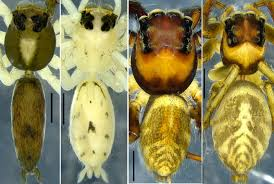
Scientists from the Zoological Survey of India (ZSI) have added an exciting chapter to India’s biodiversity story with the discovery of two previously unknown jumping spider species Asemonea dentis and Colyttus nongwar, in the lush forests of Meghalaya, part of the globally recognised Indo-Burma biodiversity hotspot.
Both species belong to the family Salticidae, commonly known as jumping spiders, famed for their excellent vision, agile stalking behaviour and ability to leap on prey rather than build webs. Asemonea dentis is only the third species of the genus Asemonea recorded in India; its name “dentis” refers to a distinctive tooth-like projection on the male’s palpal femur, a key feature helping scientists distinguish it from its relatives. Adult males are greenish-brown with a pale-yellow V-shaped mark on the abdomen, while females show a creamy-white base with fine black patterns.
Colyttus nongwar — named after Nongwar village in the Khasi Hills where it was found — represents only the second Indian record of its genus. Both sexes exhibit a reddish-brown carapace, light-brown abdomen with a creamy band and chevron-shaped patches, setting them apart from known species.
Read More: Is This The Rarely Photographed Leaf-Curling Spider?
Three New Moth Species From The Himalayas
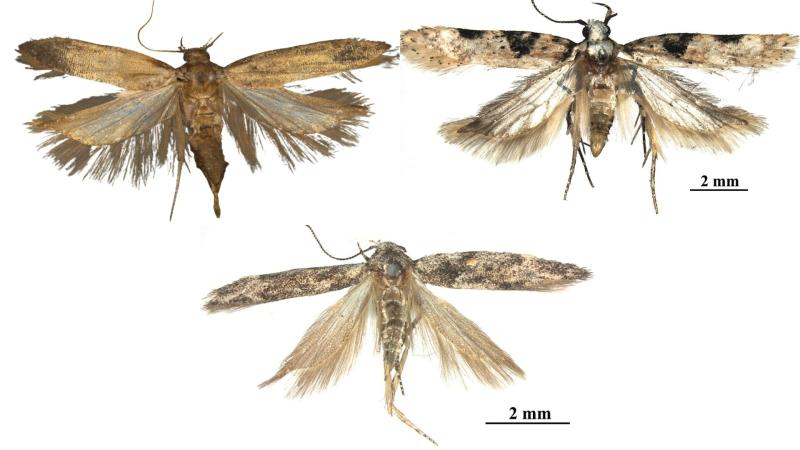
Scientists from the ICAR-Indian Agricultural Research Institute (IARI) in New Delhi have uncovered three completely new species of moths hidden in the high-altitude landscapes of the Indian Himalayas. These tiny winged wonders were discovered during nocturnal surveys across Arunachal Pradesh, Himachal Pradesh and Ladakh, where researchers used mercury-vapour lamps to attract a dazzling array of moths under the starlit sky.
Once collected, the specimens underwent rigorous identification using a blend of DNA barcoding and meticulous morphological analysis under high-powered microscopes — scientists examined distinctive features like wing patterns and the structure of reproductive organs to confirm these were species never before described.
The three new species have equally fascinating names and stories: Gelechia adi — named to honour the local Adi tribe of Arunachal’s Upper Siang; Gelechia bilobuncusa — named for the bilobed uncus (part of the male genitalia) that sets it apart; and Istrianis ladakhensis — adapted to the stark, cold climes of Ladakh with mottled wings of brown, grey and orange.
Read More: Rare Species of Moth Spotted in Tamil Nadu
Two New Marine Worms Along The Bay of Bengal Coast in West Bengal
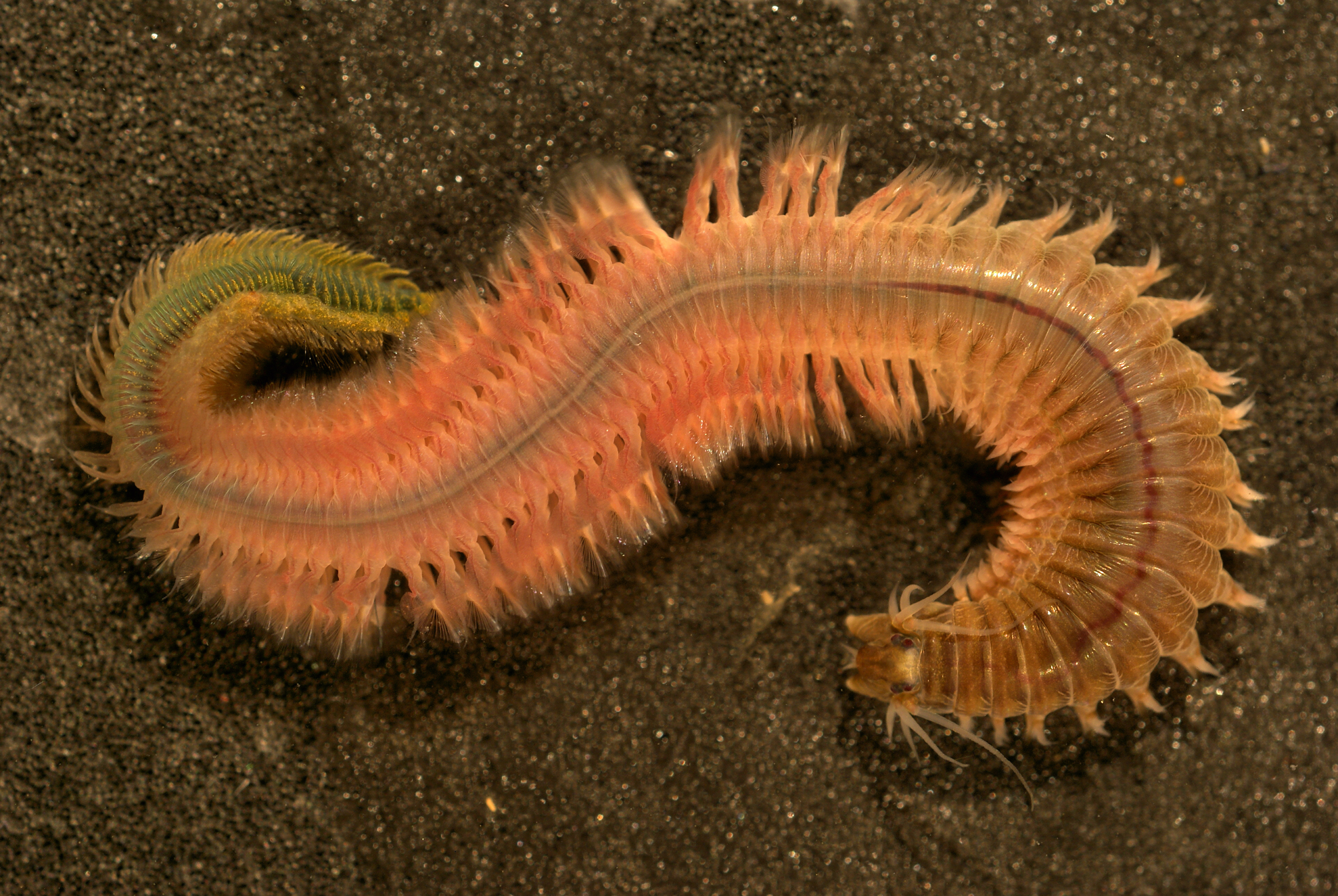
Scientists from the Zoological Survey of India (ZSI) have discovered two new species of marine worms along the Bay of Bengal coast in West Bengal, revealing hidden life forms thriving in India’s changing shorelines.
The species—Namalycastis solenotognatha and Nereis dhritiae—were found near Digha and Bankiput in East Medinipur. These worms belong to a group known as polychaetes, marine worms that live in the sea, especially along coasts, mudflats, and estuaries. They have many tiny bristles along their bodies (the word polychaete literally means “many bristles”).
One of the newly discovered species, Namalycastis solenotognatha, lives in salty, sulphur-rich soils that often smell strongly due to decaying organic matter. Its presence can help scientists identify polluted or stressed coastal environments, making it a potential natural bioindicator.The second species, Nereis dhritiae, was named in honour of Dr Dhritiae Banerjee, the first woman Director of ZSI. This worm survives by burrowing into water-soaked wood and sandy beaches that are flooded during high tide.
The research, published in the international journal Zootaxa, was led by Jyoshana Pradhan and colleagues from ZSI.
Read More: How To Save A Fish That Looks And Acts Like A Snake