India had a biodiversity boost in 2024, with scientists documenting 1,116 new species and records — 683 animals and 433 plants. The finds include reptiles, amphibians, butterflies, orchids, fungi, and lichens, many from biodiversity hotspots like the Western Ghats and Northeast India. Kerala led the discoveries, followed by Karnataka and Tamil Nadu. These species, some brand new to science, highlight India’s rich natural heritage and the need for continued exploration and conservation. The details were published in ZSI and BSI’s annual reports, Animal Discoveries 2024 and Plant Discoveries 2024. India’s mega-diverse status is evident: it now holds around 8% of global biodiversity, despite occupying just 2.4% of the Earth’s land area.
Some of the important discoveries this July were,
🕷️ New Wolf Spider from Sundarbans’ Sagar Island
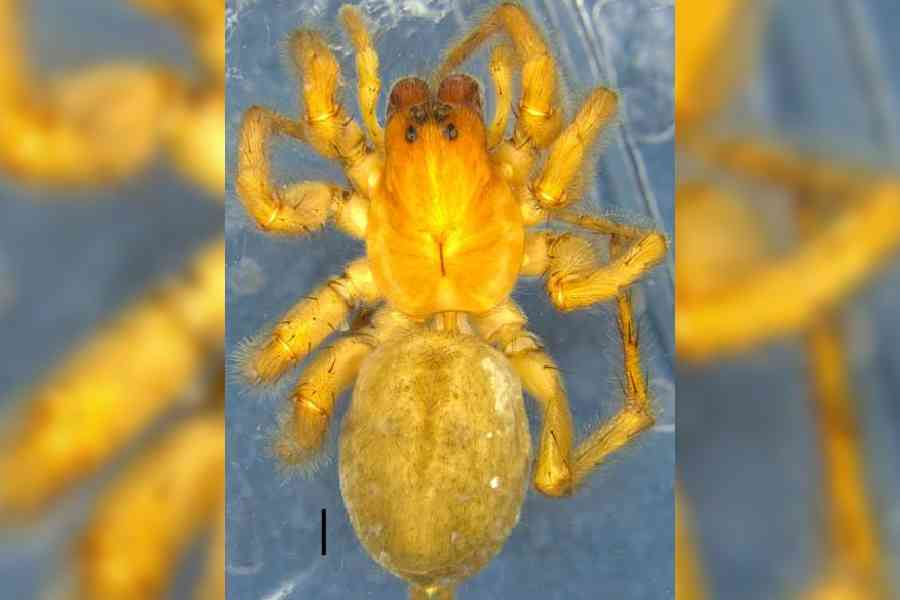
Zoological Survey of India (ZSI) researchers have identified Piratula acuminata, a new wolf spider species on Sagar Island, Sundarbans, West Bengal. This is the first-ever record of the genus Piratula in India. The spider—measuring about 8–10 mm—sports a pale creamy‑white body, brown‑chalk spots on its abdomen, and a pair of light‑brown rear stripes. Described through careful morphological study, this agile ground‑hunter (familial Lycosidae) highlights the Sundarbans’ hidden arachnid diversity.
🐍 Smith’s Witch Eel – A Deep-Sea Mystery Off Kerala’s Coast
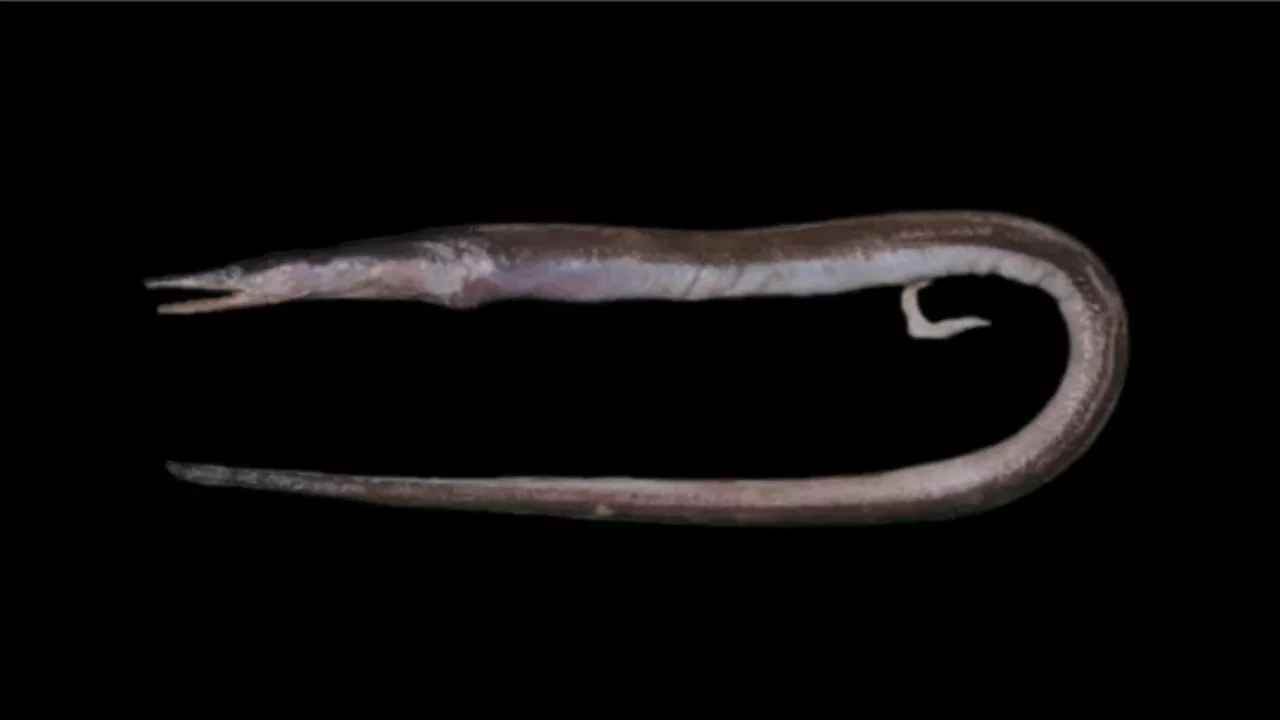
Far beneath the waves, where sunlight never reaches, a remarkable discovery was made — a new species of eel named Smith’s Witch Eel (Facciolella smithi). Commercial trawlers off the southern coast of India caught several unfamiliar-looking eels in January 2024 and gave the specimens to scientists, Paramasivam Kodeeswaran and T. T. Ajith Kumar. Found at depths of 260–460 meters off Kerala’s coast, this slender eel belongs to the Nettastomatidae family. With its elongated ribbon-like body, brown upper side, milky-white belly, and a duckbill-shaped snout, it glides effortlessly through the darkness. Researchers even noted signs of tail regeneration, hinting at its survival strategies in predator-filled waters. The find, published by ICAR-NBFGR, opens a new window into India’s little-known deep-sea biodiversity.
🦎 Two New Bent-Toed Geckos Discovered in the Western Himalayas
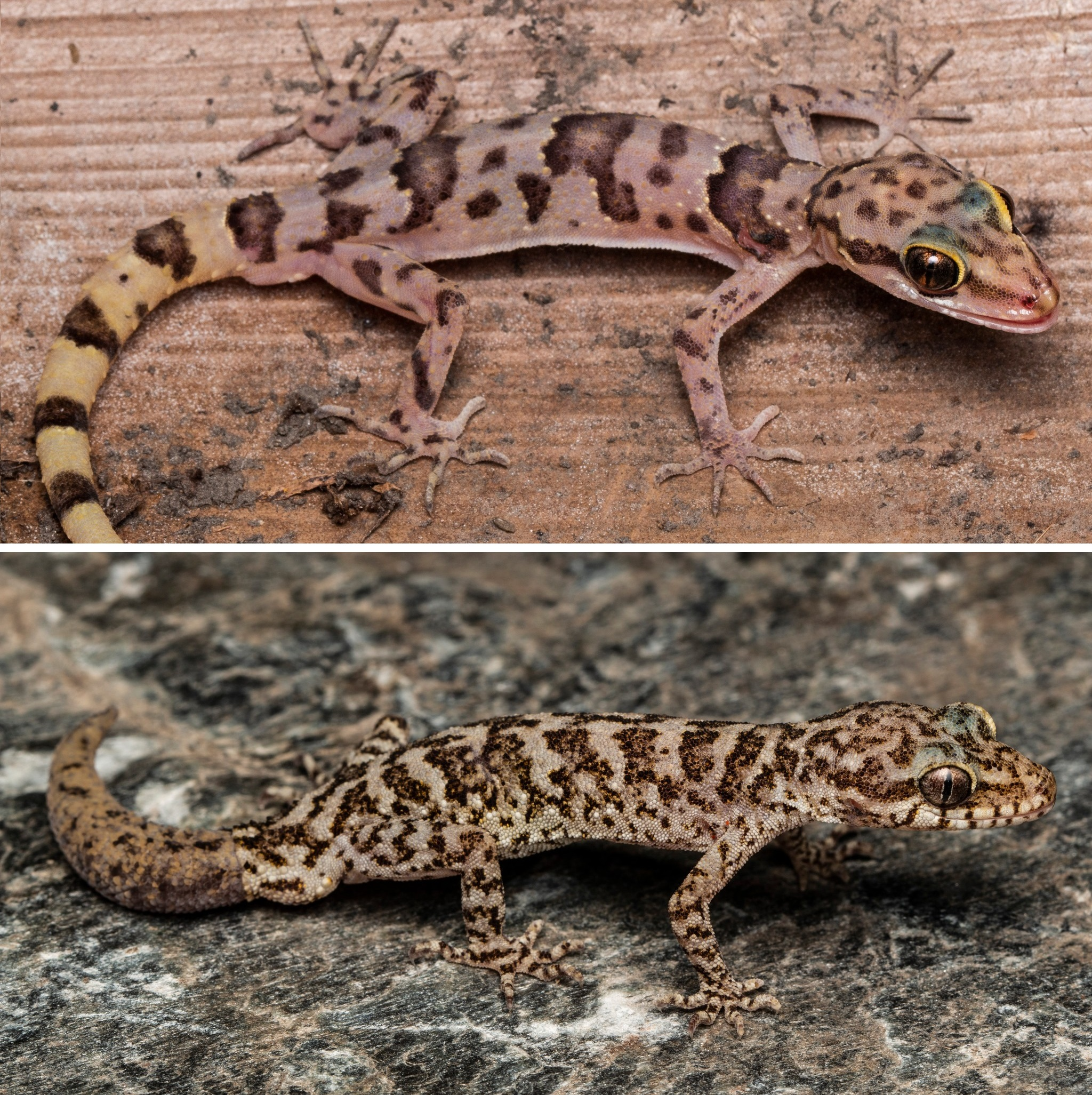
High in the Himalayan forests, scientists from Mizoram University have added two new names to India’s reptile list – Cyrtodactylus himachalensis from Himachal Pradesh and Cyrtodactylus shivalikensis from Jammu & Kashmir. Belonging to the bent-toed gecko family, these elusive, nocturnal reptiles were identified using DNA sequencing and detailed morphology, placing them in the C. lawderanus group. With these finds, India now has 52 known species of Cyrtodactylus, each thriving in unique habitats. The discovery, published in Zootaxa, shines a light on the Western Himalayas’ hidden biodiversity and why continued exploration of these fragile ecosystems is vital.
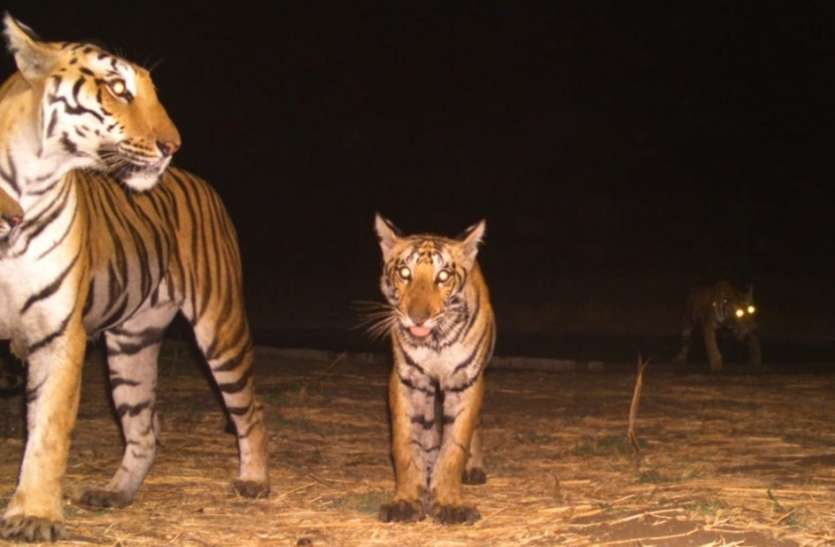
Read More: Rare Black Coloured Dhole Spotted in Maharashtra
🌱 A Crimson-Fringed Flower from Arunachal’s Alpine Forests
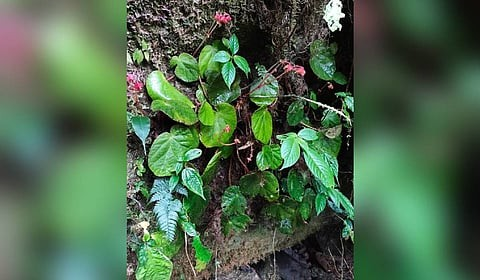
During a high-altitude forest survey in East Kameng, Arunachal Pradesh, field botanists found something so unusual they nearly missed all the winter snow—a Begonia unlike any other. Named Begonia nyishiorum in honor of the Nyishi tribe, this plant thrives between 1,500 and 3,000 meters, surviving early winter frost. Its most striking trait is the dense crimson-fringed hair-like scales encasing light-green petioles—an indumentum unseen in any Asian begonia species. Described in Novon, the species is currently known from only two forest patches and is classified as Data Deficient under IUCN criteria. Scientists see it as a living tribute to the Nyishi people’s stewardship of these pristine high-elevation ecosystems
🦎 Brahmaputra Day Gecko Discovered in Assam
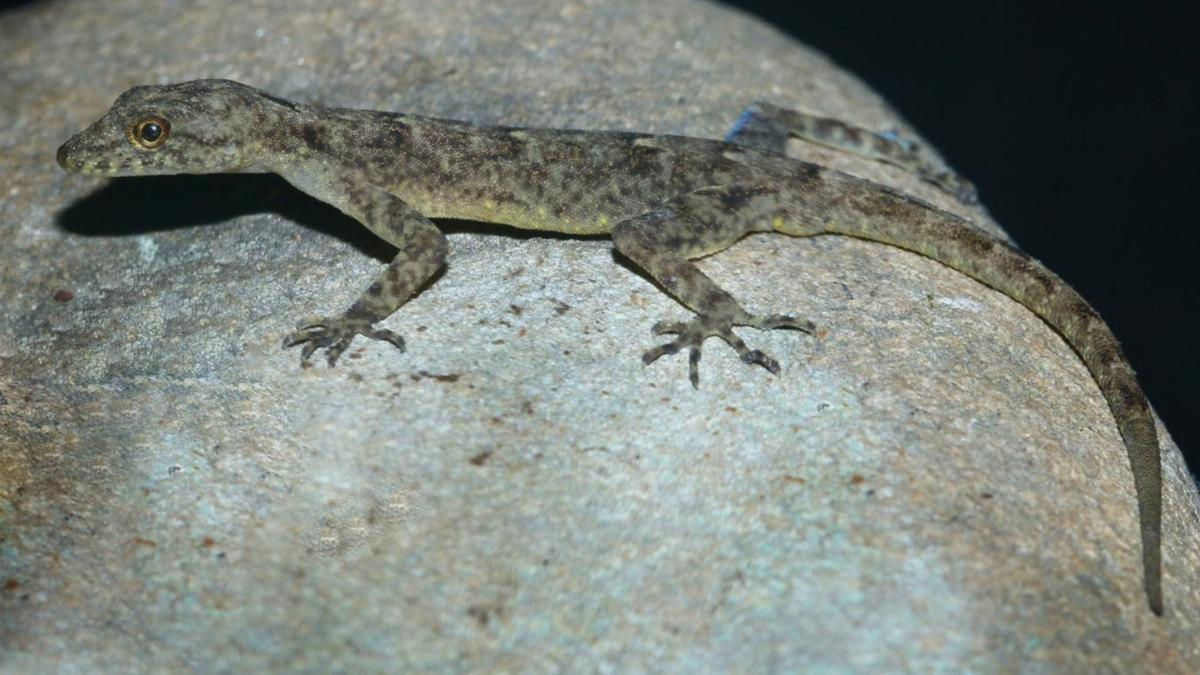
A vibrant new day gecko, Cnemaspis brahmaputra, has been found near Dirgheswari Temple on the Brahmaputra’s northern bank in Assam. Measuring just 30–35 mm, this diurnal species is only the second of its kind reported from Northeast India. Genetic studies reveal a 21–25% divergence from its Sri Lankan relatives, hinting at ancient biogeographic links. Described in Taprobanica by a team of Indian and Sri Lankan herpetologists
🪰 A Rare Dragonfly from Kerala’s Forest Canopies
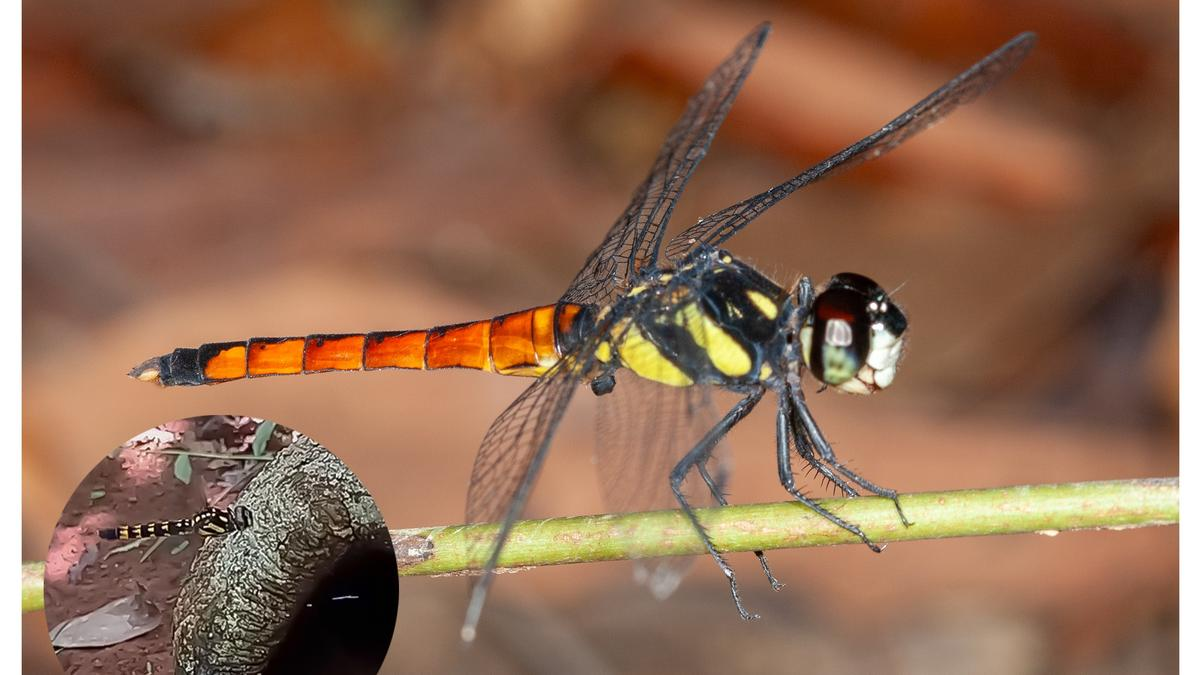
In the lush forests of Kerala and Karnataka, researchers recently identified a dragonfly that had long been hiding in plain sight — Lyriothemis abrahami. Initially misidentified, it was confirmed as a new species after detailed studies and has now been described in Entomon (June 30, 2025). This vibrant insect is a tree-hole breeder, depending on tiny water pools formed inside old trees. Males and females look strikingly different, showing strong sexual dimorphism. With this discovery, Kerala’s odonate diversity rises to 191 species, of which 78 are endemic. Scientists warn that protecting ancient forest canopies is vital, as these microhabitats harbor specialized species like this dragonfly.
Read More: What is the Difference Between Dragonfly and Damselfly?
🌿 A Rare Lichen from the Western Ghats
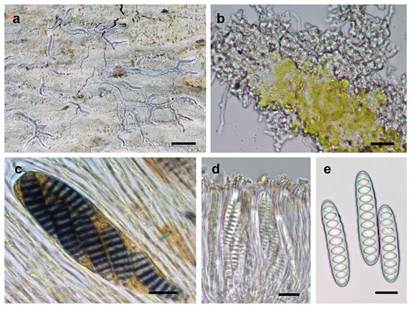
Amid the moss-covered trees of Karnataka and Kerala’s misty forests, researchers discovered a new lichen species, Allographa effusosoredica. Found clinging to bark between 700 and 1,500 meters, this species has a pale greenish thallus dusted with tiny powdery patches called soredia—features that set it apart from its relatives. Scientists confirmed its identity using both traditional taxonomy and DNA analysis, making it the first Indian Allographa species studied at a genetic level. Published in Phytotaxa, this discovery adds to the rich diversity of the Western Ghats and shows why these ancient forests remain a treasure trove for cryptic life forms like lichens.
🦋 A New Skipper Butterfly from Kerala
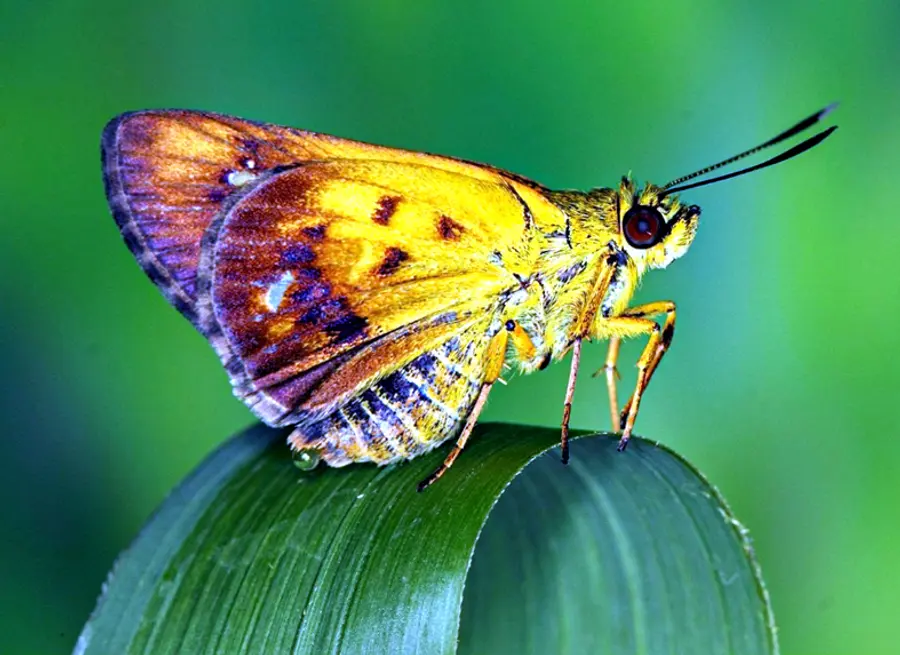
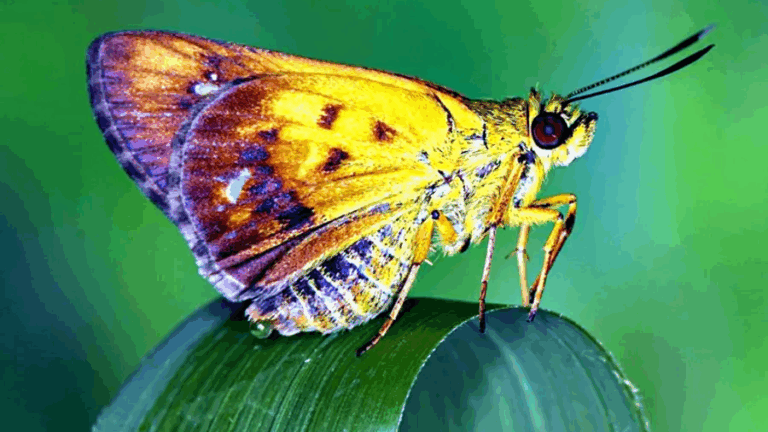
In the lush lowland forests of Kerala’s Western Ghats, scientists have discovered a vibrant new butterfly — Zographetus mathewi. Belonging to the skipper family, this species stands out with golden-ochre patterns on its wings and delicate tufts of hair on the forewings. It was named in honor of noted Indian entomologist George Mathew, recognizing his contributions to butterfly research. It was identified after the researchers observed larvae feeding on Aganope thyrsiflora (Fabaceae), a leguminous vine. The species, published in the peer-reviewed journal Entomon, was discovered by scientists from the Travancore Nature History Society (TNHS), the Institute of Tropical Research, Ecology and Conservation (INTREC) Thiruvananthapuram, and the Zoological Survey of India.
🌳 A New to Science Evergreen Tree from Assam
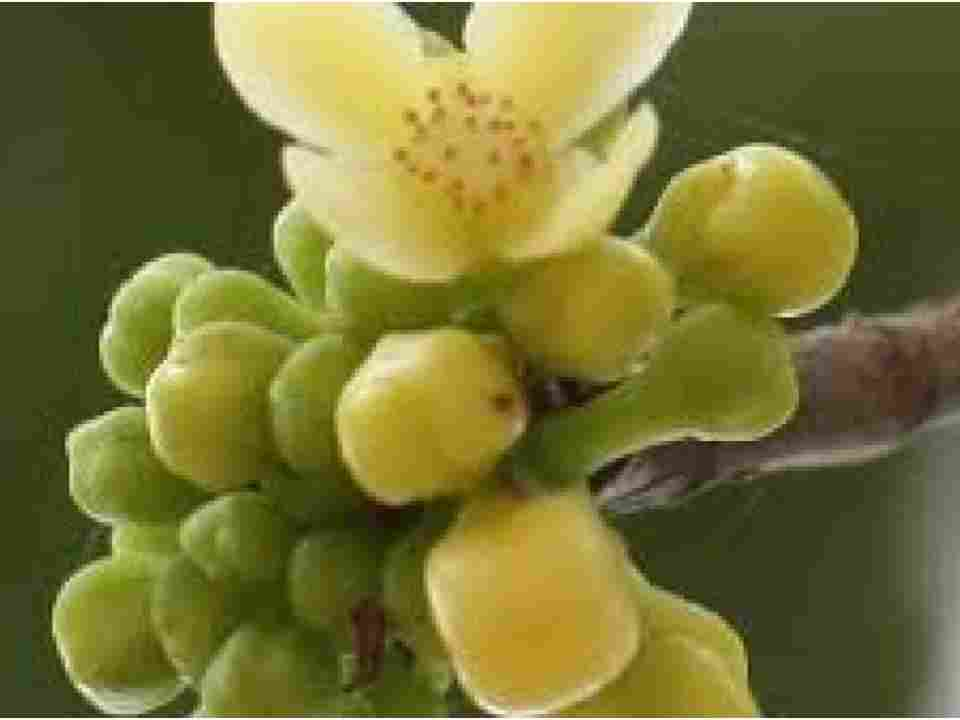
In the lush riparian forests near Manas National Park in Assam, scientists have described a new species of Garcinia, locally known as thoikora. Named Garcinia kusumae, this evergreen tree grows up to 18 meters tall, bearing yellowish-white flowers from February to April and ripening orange-pink fruits by early summer. The fruits release a sticky, dark resin and are valued locally—the dried pulp is used in cooling drinks, fish curries, and traditional remedies. Described in Feddes Repertorium, the species honors Kusum Devi, the late mother of botanist Jatindra Sarma.
🐟 A New Fish from the Brahmaputra in Assam
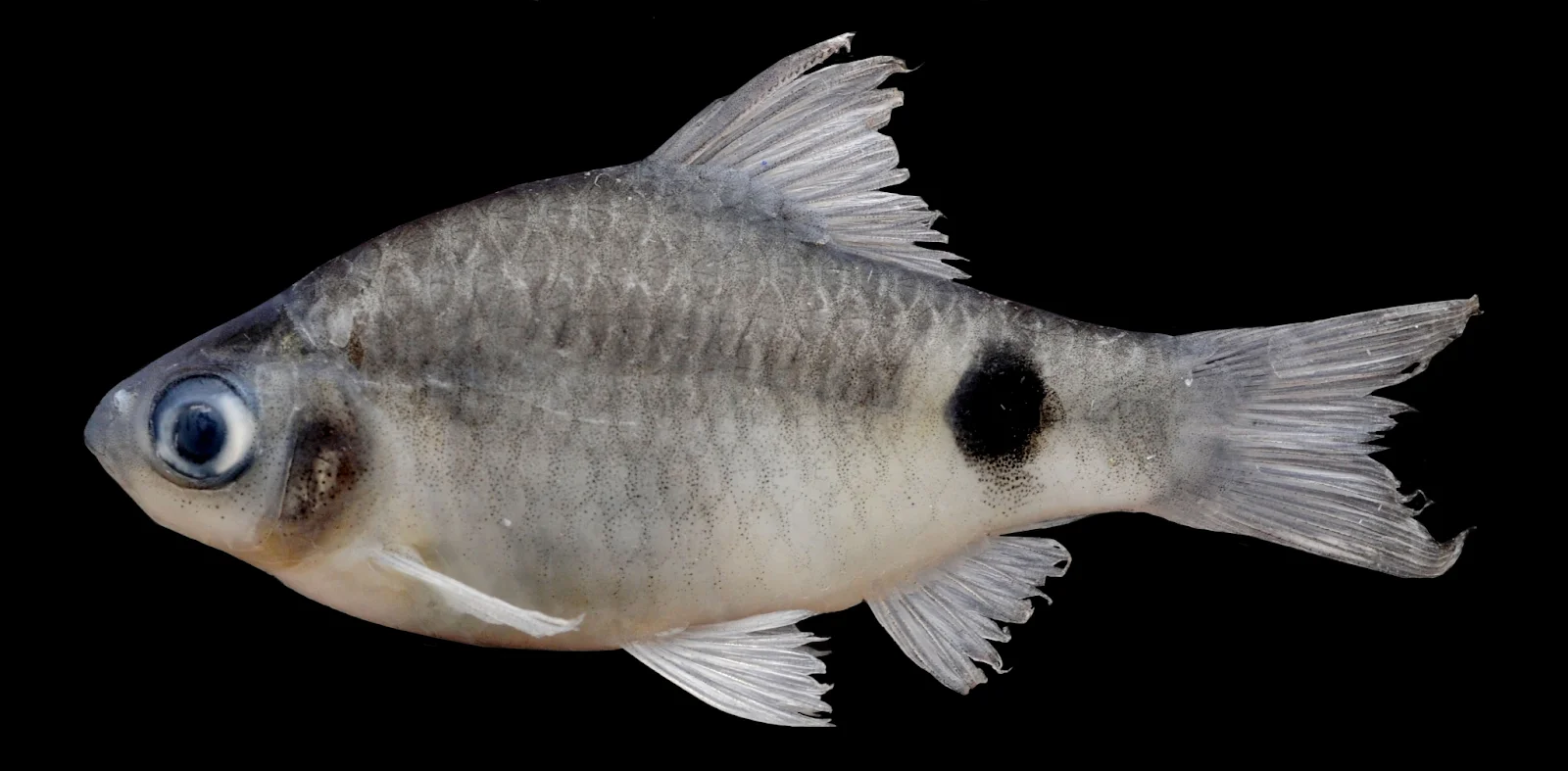
While surveying the Brahmaputra River near Dibrugarh in Assam, scientists discovered a new species of freshwater barb, now named Pethia dibrugarhensis after its hometown. Belonging to the carp family, this small fish thrives in gently flowing river stretches with a sandy‑muddy bed. What caught the researchers’ eye was its bold black spot near the tail and its incomplete lateral line, features that set it apart from familiar barbs. The species was formally described in National Academy Science Letters by a team from ICAR‑CIFRI and Manipur University.
Read More: World’s Largest Cavefish Discovered in India
🧪 A Soil Bacterium from Assam with Green Promise
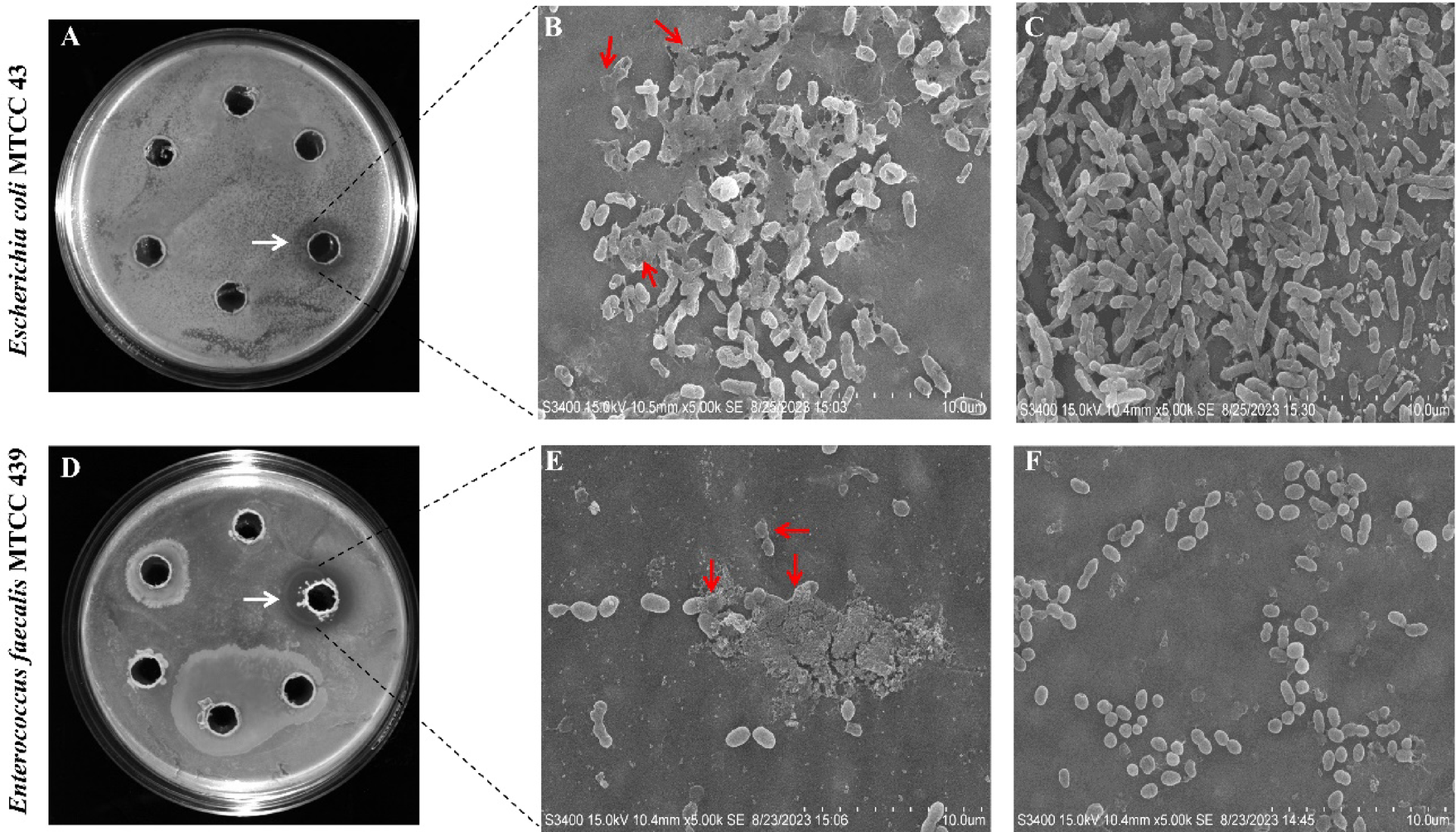
At Raiganj University in West Bengal, scientists uncovered a new species of soil bacterium, Bacillus ayatagriensis, from the roots of mulberry plants in local sericulture fields. This bacterium showed strong antimicrobial activity—suppressing E. coli and Enterococcus faecalis in lab tests—and significantly improved seed germination, hinting at potential for sustainable, chemical-free farming. Led by Dr. Amit Kumar Mandal and a multidisciplinary team, the name ayatagriensis is derived from Sanskrit—“Ayata” (growth) and “agriensis” (agriculture)—symbolizing its promise for eco-friendly farming and soil health.
🐸 Two Bush Frogs from Meghalaya Named in Khasi Traditions
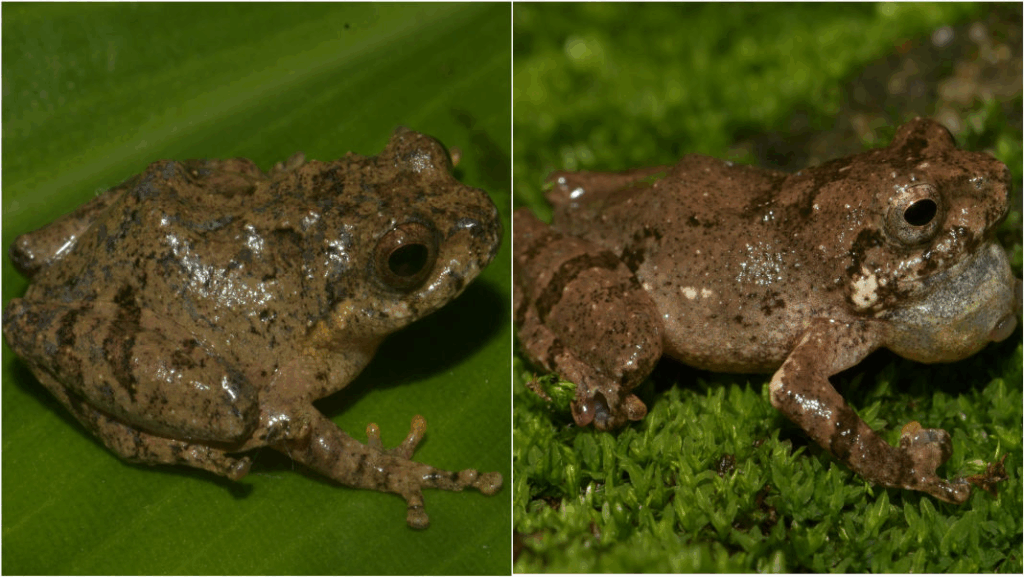
In Meghalaya’s Khasi Hills, researchers have described two new species of bush frogs: Raorchestes jakoid and R. jadoh. Jakoid means “frog” in Khasi, while jadoh is a beloved local rice-and-meat dish. Lead researcher Holiness Warjri said naming them this way was a tribute to local culture and land—a frog born in his own village, Langtor, now carries community pride. Both species were discovered between 815 m (R. jakoid) and 1,655 m (R. jadoh) elevation, in bushes and trees near human habitations—suggesting they tolerate landscapes shaped by people. Described in the Journal of Threatened Taxa, these frogs use direct development (no tadpole stage) and belong to the Raorchestes parvulus complex.


One thought on “New Animals and Plant Species Discovered in India This July (2025 Update) ”