It has been a month of multiple discoveries at once! From 6 new butterfly species in Arunachal Pradesh to plants, earthworms and a fungus so big that someone can sit on it!
Take a look at a few of the discoveries published in October,
Beautiful White Flowering Plant Species from Kerala
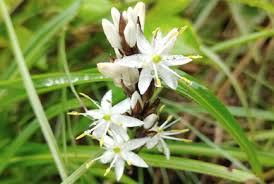
Botanists exploring the mist-covered slopes of the Vagamon hills and nearby Neymakkad in Kerala’s Western Ghats have uncovered a brand-new plant species, Chlorophytum vanapushpam (family Asparagaceae). The species — described in October 2025 — was found at elevations ranging from 700 m to 2,124 m, and is closely related to the well-known medicinal herb Chlorophytum borivilianum (safed musli). However, unlike its famous cousin, C. vanapushpam does not form tubers, grows up to about 90 cm tall, bears clustered white flowers and has seeds roughly 4–5 mm wide. The new species was named with a nod to Malayalam: “vanam” (forest) + “pushpam” (flower), acknowledging its wild hillside habitat.
New Slender Gecko from Andhra Pradesh
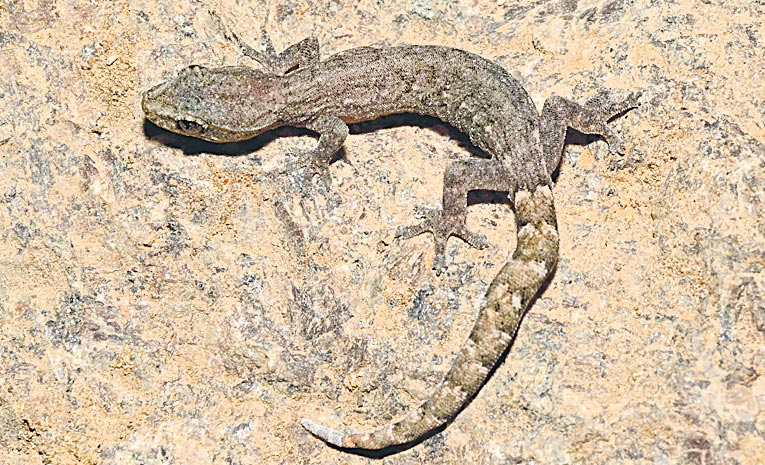
A new species of slender gecko — Hemiphyllodactylus venkatadri — has been discovered in the sacred Venkatadri Hills within the Seshachalam Biosphere Reserve of Andhra Pradesh by researchers from the Zoological Survey of India (ZSI). It was found under tree bark in a sandalwood plantation at an elevation of approximately 881 metres. Genetic analysis showed a 9.7 – 12.9 % divergence from its closest relatives in Peninsular India (such as Hemiphyllodactylus jnana, Hemiphyllodactylus nilgiriensis and Hemiphyllodactylus peninsularis). Named for the hill range and its mythological significance (“Venkata” meaning one who removes sins and “adri” meaning mountain), this gecko adds to the biodiversity known from India’s Eastern Ghats and the second slender gecko species from Andhra Pradesh.
Read More: Largest Gecko in the World gets more Protection in India
Three New Plants from Western Ghats in Karnataka
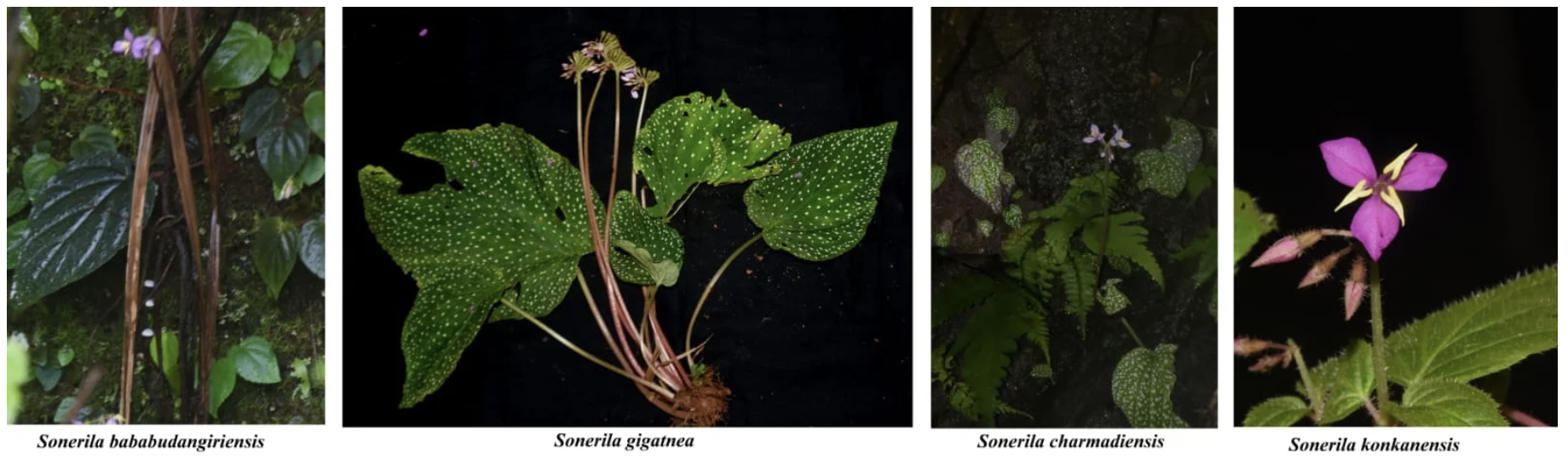
Botanists at Davangere University in Karnataka have uncovered three previously unknown plant species in the Western Ghats — namely, Sonerila bababudangiriensis, Sonerila gigantea and Sonerila charmadiensis. The first, S. bababudangiriensis, is a small erect herb found on misty slopes near Baba Budangiri (Chikkamagaluru) around September 2024; it grows 8–15 cm tall with dark green leaves tinged claret, and pale-pink flowers. S. gigantea was discovered near Mallali Falls in Kodagu and stands out as a stem-less (acaulescent) “giant” relative in its genus, published in June 2025. S. charmadiensis hails from the Charmadi Ghat region and features crisp white blotches on its foliage and a distinctive rhizome structure.
Led by Dr Siddappa B. Kakkalameli and researcher Prashant Karasakatti, these findings — along with a new Karnataka record of Sonerila konkanensis — underscore how much of India’s ecosystem still awaits exploration and why conserving the Western Ghats remains so vital.
Six New Butterfly Species from Arunachal Pradesh
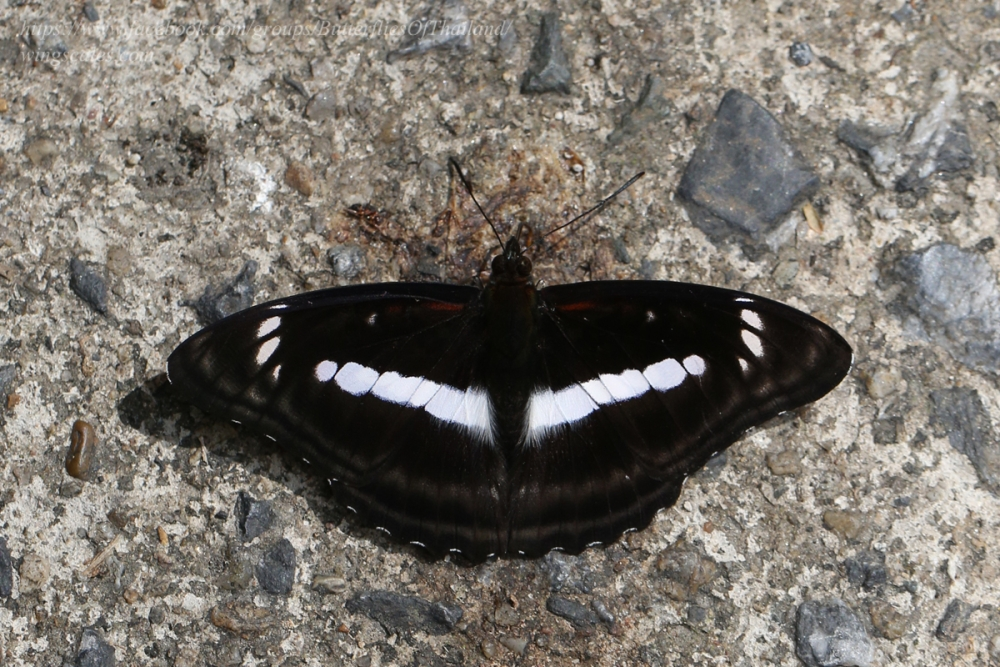
A fascinating discovery has emerged from the misty forests of Upper Siang Valley in Arunachal Pradesh: six butterfly species previously unrecorded in India. The new additions— Litin Onyx (Horaga takanamii), Narrow‑banded Royal (Dacalana vui), Tibetan Duke (Euthalia zhaxidunzhui), Tibetan Sergeant (Athyma yui), Tibetan Junglequeen (Stichophthalma neumogeni renqingduojiei) and Mountain Columbine (Stiboges elodinia)—were sighted in 2024 during surveys of community-conserved forest in Simong village. These sightings extend their known range from southeast Asia and Tibet into India. The expedition was led by forest-dwelling communities and scientists from Ashoka Trust for Research in Ecology and the Environment (ATREE),
Dive deeper into the full story here: Six New Butterflies for India from Arunachal’s Siang Valley
Two New Ladybirds from Meghalaya
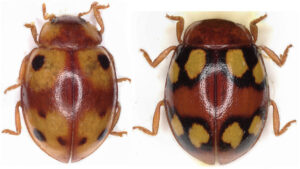
A remarkable discovery has come out of Meghalaya’s lush forests: two ladybird beetle species—Plotina muelleri and Plotina octomaculata—have been recorded in India for the first time, marking the first ever occurrence of the genus Plotina in the country.
These discoveries were made by entomologist Dr. J. Poorani of the ICAR–National Research Centre for Banana, along with Jaroslav Větrovec (Czech Republic) and Karol Szawaryn (Polish Academy of Sciences).
The first species, Plotina muelleri, was found near Shillong Peak in the Khasi Hills, while Plotina octomaculata was recorded in the forests of Nokrek National Park in the Garo Hills.
These beetles stand out for a few intriguing reasons: they belong to a genus previously unknown in India’s insect fauna and may specialize in forest-leaf-microhabitats in the mist-clad Eastern Himalayas.
A Flounder from Odisha
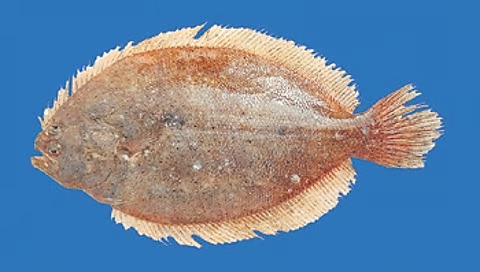
Researchers from the Zoological Survey of India (ZSI) have identified a brand-new species of flounder, Pseudorhombus bahudaensis, found in the coastal waters of the Bahuda Estuary near the Odisha-Andhra Pradesh border. For years this fish was mistaken for the familiar “Gangetic largetooth flounder” (Pseudorhombus arsius). But by using DNA barcoding and detailed physical measurements, scientists discovered that P. bahudaensis diverged from its cousin about 17 million years ago and displays distinct body-shape and scale-pattern features. The new species has since also been found near Gopalpur and Penthakata, suggesting its distribution may cover shallow coastal and estuarine habitats of Odisha.
Read the full story here: A New Species of Flounder, Pseudorhombus bahudaensis – Odisha
New Poppy Plant from Arunachal Pradesh
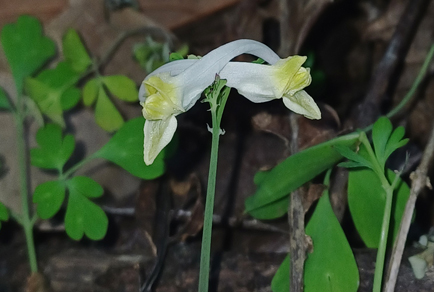
A new species of flowering plant belonging to the poppy family (Papaveraceae), named Corydalis shiyomiensis, has been discovered in Arunachal Pradesh’s Upper Subansiri district. The discovery was made by Dr. S. Khandral and Dr. Umeshkumar Behera from the Botanical Survey of India (BSI), who found the plant growing on moist, shaded slopes near Shiyomi village at elevations of around 2,800 m. Bearing delicate yellow-tipped white flowers and finely divided fern-like leaves, the plant thrives in the cool, humid Eastern Himalayan environment. Only 12 individual plants were recorded during the study, highlighting its rarity and potential vulnerability. The species differs from its close relatives in petal structure and capsule shape, confirming it as new to science.
Read more: Diesel Pollutants Snatch Honeybees Ability to Smell Flowers
New Genus of Bark Crickets from Kerala and Karnataka
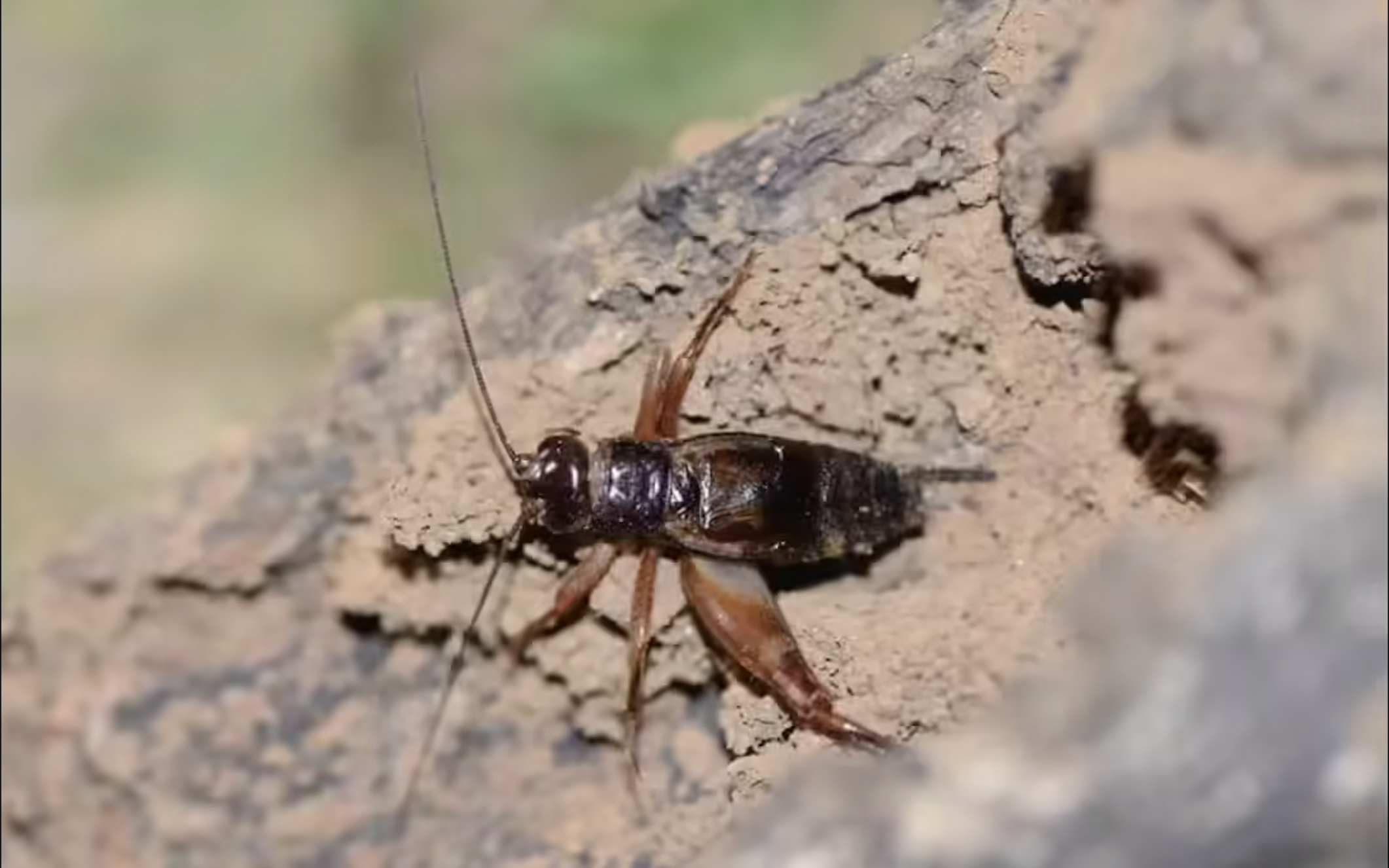
A team led by Ranjana Jaiswara, Assistant Professor in the Zoology Department at Panjab University (PU), has uncovered a new genus of bark crickets, named Ajareta, from the Indian subcontinent. Their findings, published in the journal Insect Systematics and Evolution (Netherlands) in 2025, describe three new species within this genus: Ajareta sairandhriensis, Ajareta kervasae and Ajareta meridionalis.
These crickets are endemic to the Indian subcontinent and live hidden beneath tree bark — their flattened bodies allow them to navigate narrow crevices. One of the species, Ajareta sairandhriensis, was found in the Silent Valley National Park (Kerala), challenging the park’s long-held belief of silent cicada-free forests. Ajareta kervasae was discovered in Karnataka’s Kervasae Reserve Forest while Ajareta meridionalis was traced to a 1914 specimen from Kerala, marking it the southernmost member of this new genus.
Two Non-glowing Fireflies from Nilgiris, Tamil Nadu
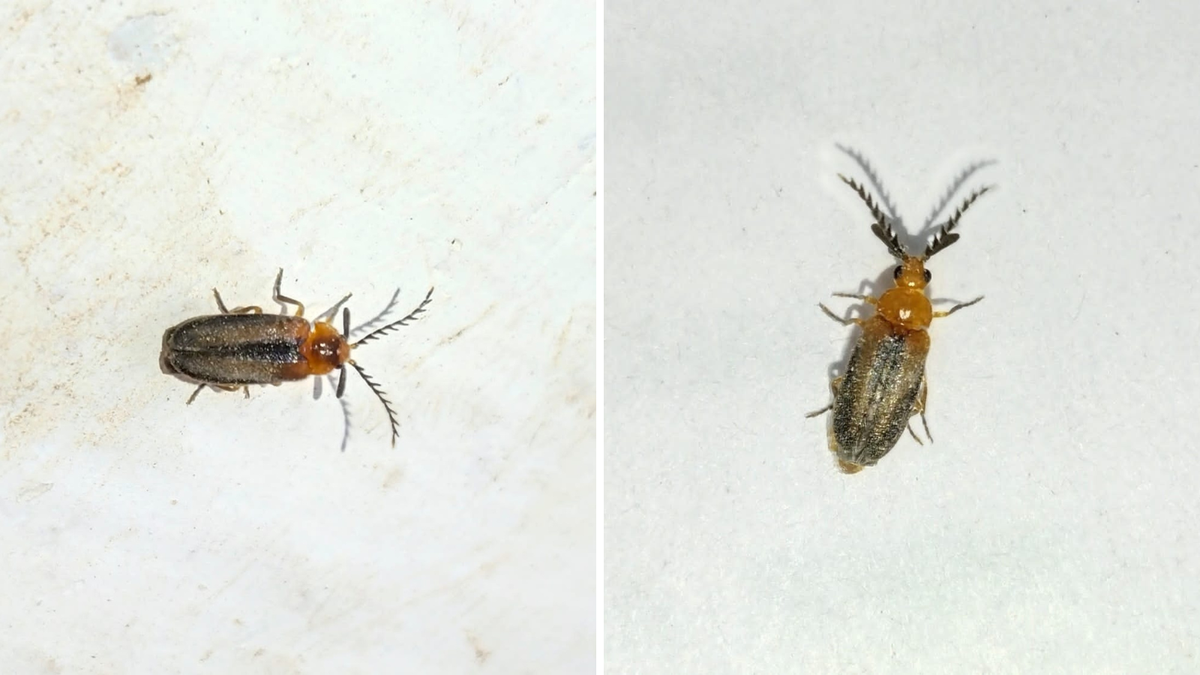
A team of six researchers — A. Chakravorty, N. Moinudheen, B. Bhattacharjee, Anbazhagan Abinesh, Arokianathan Samson and N. Sadiq Ali — have described two new species of non-luminous fireflies, found in the misty hills of the Nilgiris (Tamil Nadu): the newly named Lamellipalpodes debprasuna and Lamellipalpodes kurumba. These beetles belong to a genus of fireflies that does not glow — a rare trait compared to their luminous cousins — and they were found in leaf-litter and under logs around the town of Coonoor during fieldwork last year. One of the species is honoured in name to the indigenous Kurumba community of the region, underscoring the cultural as well as the biological significance of the find.
A Plant Species from the Carrot Family from Kerala
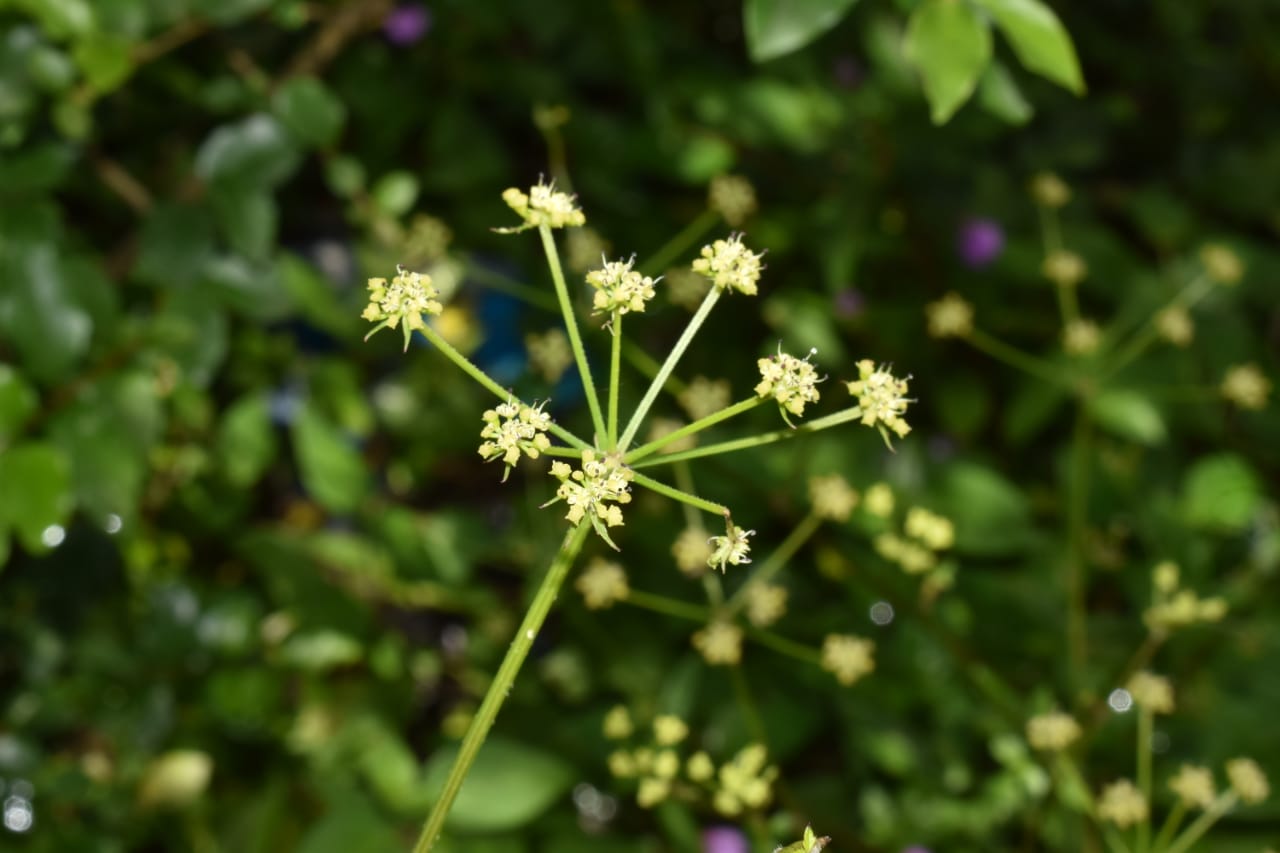
A previously unknown plant, Tetrataenium manilalianum (family Apiaceae — the carrot/parsley family), has been described from Eravikulam National Park, Idukki district, Kerala, in the high-altitude shola–grassland zone of the Western Ghats. The species was published by botanists C. Rekha, Amrutha Sundaran, K. Manudev and K. A. Sujana and named in honour of Prof. K. S. Manilal for his contributions to Indian plant taxonomy. T. manilalianum is notable for its umbrella-like inflorescences, underground rhizomes, white flowers and a restricted monsoon-flowering habit; it appears confined to montane grasslands bordering shola forest and may be vulnerable because of its narrow range. This discovery adds a rare Apiaceae member to the Western Ghats flora and highlights the conservation value of these high-elevation grasslands.
New Gecko with Spikes from Tamil Nadu
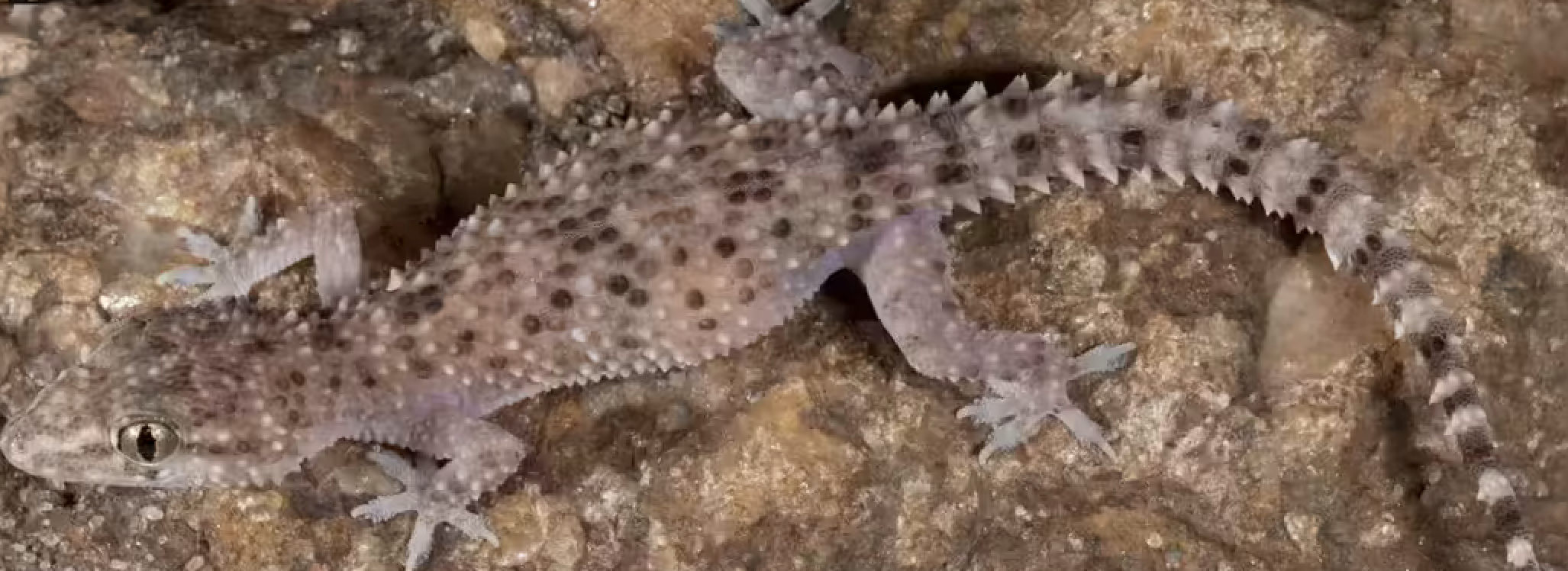
Scientists have discovered a striking new gecko species, Hemidactylus quartziticolus, in the quartz-rich hills of Tamil Nadu’s Thoothukudi district. Nicknamed the quartzite brookiish gecko, it measures under three inches and is covered in short spiny tubercles—giving it a prickly appearance unlike any other Indian gecko. The species was described by Akshay Khandekar and colleagues from the Thackeray Wildlife Foundation, who confirmed its uniqueness through DNA and morphological studies. Found clinging to temple walls and rocky outcrops, this tiny reptile reveals that even barren hillocks can hide remarkable new life.
A Fungus Pathogen from Kerala Infecting Rare Medicinal Plant
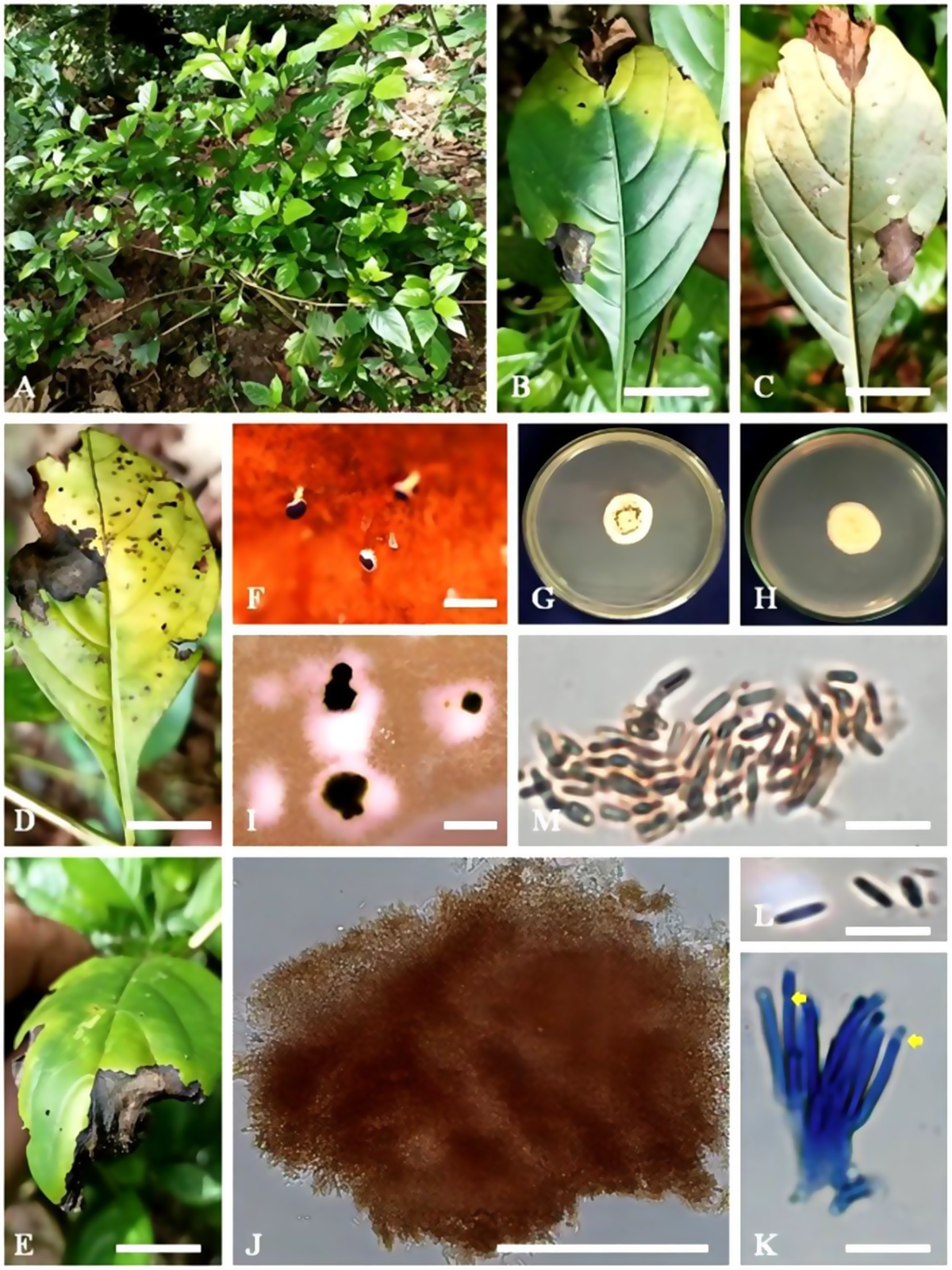
Scientists from the Kerala Forest Research Institute (KFRI), in collaboration with Banaras Hindu University and the Botanical Survey of India, have discovered a new fungal plant pathogen in Kerala’s Western Ghats. Named Paramyrothecium kamalii, the fungus was found infecting the leaves of the rare forest plant Strychnos dalzellii, a woody climber native to the region. The newly described species, published in the journal MycoKeys, shows distinct morphological and genetic traits that set it apart from its closest relatives. This marks the first report of the species globally, highlighting both the rich fungal diversity of the Western Ghats and the need for continued study of lesser-known plant–pathogen interactions in India’s forests.
Read More: Spider Discovered in Western Ghats Gets Name Inspired from Harry Potter Books
Spider New to India from Kerala
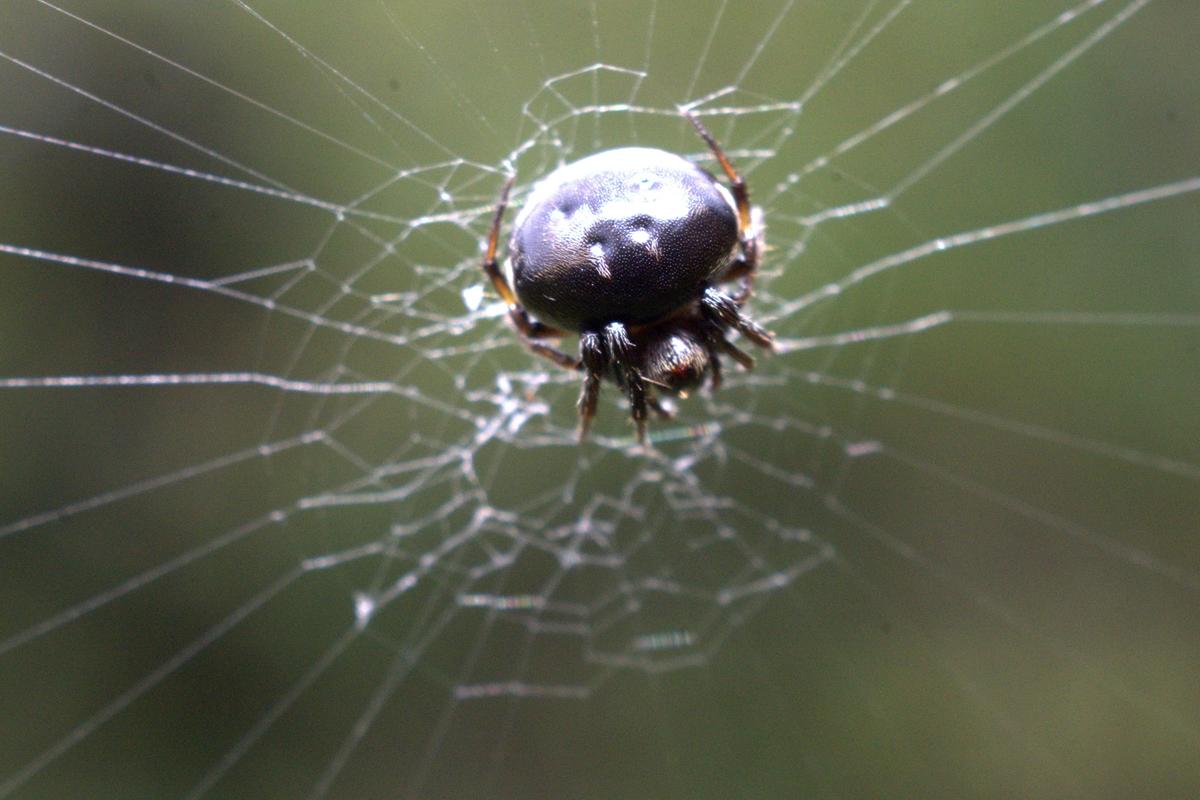
The “Leathery Garden Orb-weaver” is a spider species scientifically known as Araneus nox, first documented in the Philippines in 1877. It is a small to medium-sized orb-weaver with a distinctive, textured, leathery abdomen and can vary in color from light brown to jet black. The species was recently recorded for the first time in India during a 2025 survey in the Idukki Wildlife Sanctuary, Kerala. The spider is distinguished by the way it spins near-perfect vertical circular webs between low vegetation and tree branches.
Earthworm from Kerala
A newly described earthworm species, Drawida karatala, has emerged from the shola-grassland and forest mosaic of Kerala’s Western Ghats. Discovered by Dr S. Prashanth Narayan (Advanced Centre for Environmental Studies & Sustainable Development, Mahatma Gandhi University) in coordination with colleagues, the species is distinguished by a flattened “palm-like” body shape—hence its name “karatala” (Malayalam for palm). The findings were based on specimens collected from deep leaf-litter layers and under moist logs. What makes this significant is that the genus Drawida is endemic to this biodiversity hotspot, and the new species adds to our understanding of subterranean soil life in an environment where even small changes can have ecosystem-scale effects.
A Wasp from Salt Lake in Kolkata, West Bengal
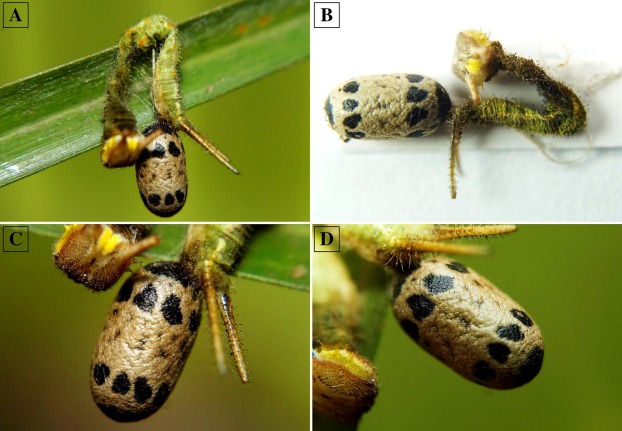
A remarkable discovery in an urban green space: researchers have described a brand-new wasp species, Nesolynx banabitanae, found in Kolkata’s Central Park, Salt Lake — India’s first record of this species.
The species was named in honour of Banabitan (a local name for the park) where it was first collected. The team, led by entomologists Arnob Chakrovorty, Neveen S Gadallah and Banani Bhattacharjee, found that the wasp belongs to the family Eulophidae and is a hyperparasitoid—it parasitises other parasitoid wasps (specifically, those attacking caterpillars of butterflies like the palm-fly and castor).
Hairy Snail from Kolhapur, Maharashtra
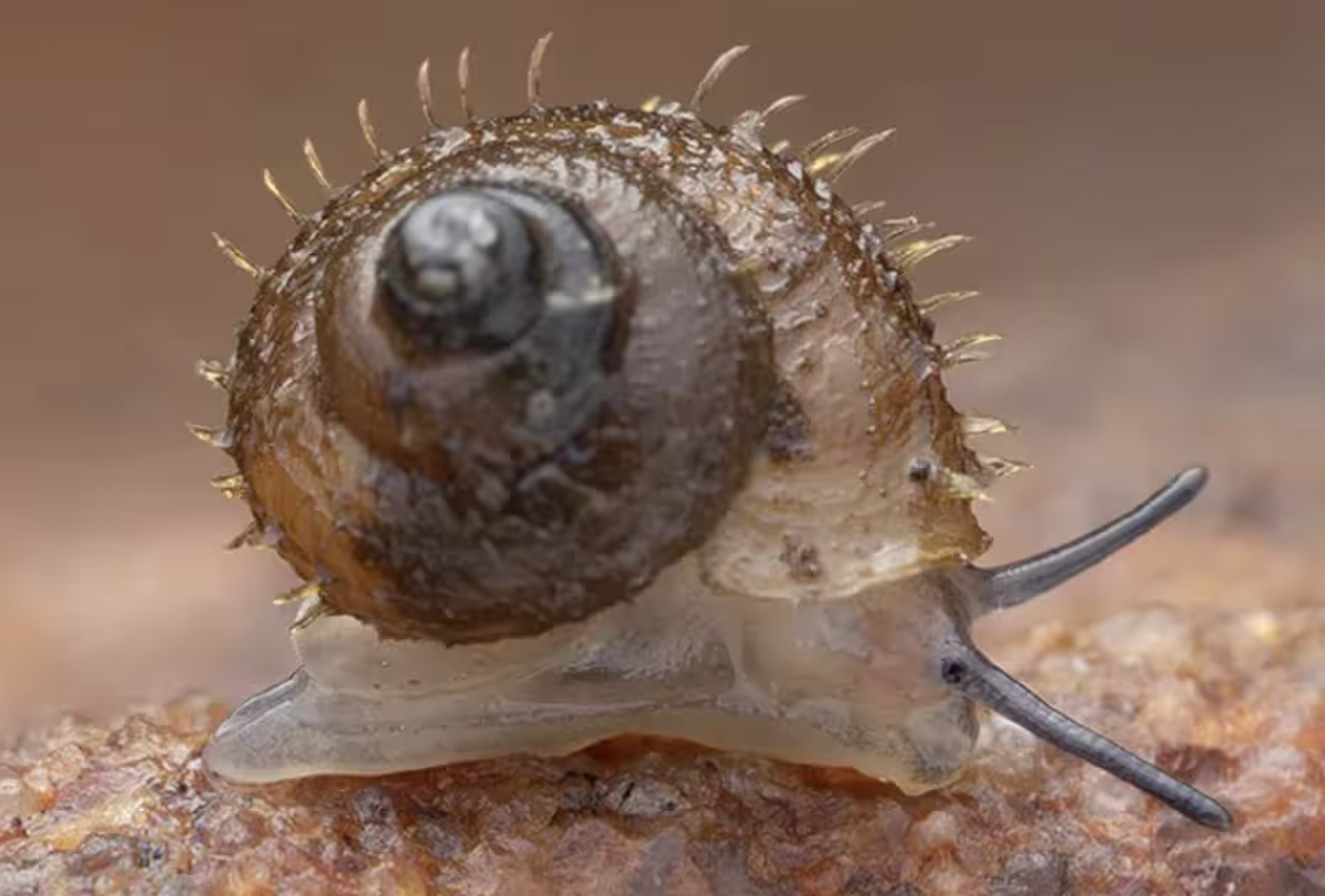
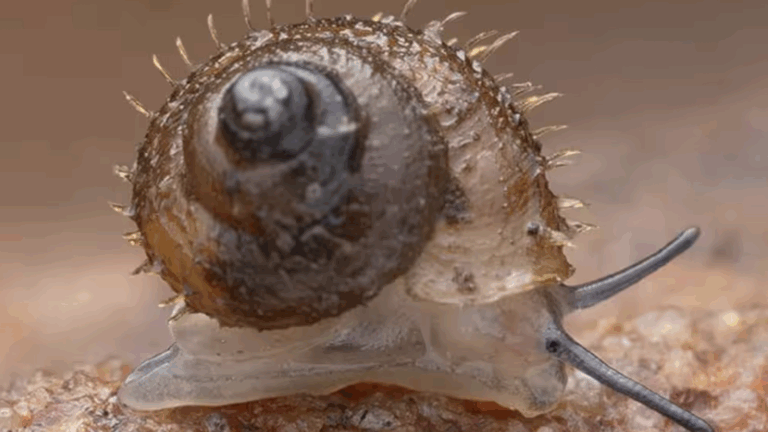
The newly discovered hairy snail species, Lagocheilus hayaomiyazakii, found in Maharashtra’s Tilari Forest region, has been named in honour of Japanese animator Hayao Miyazaki, celebrated for his deep appreciation of nature and environmental themes in films like Princess Mononoke and My Neighbour Totoro. Discovered by researchers from the Thackeray Wildlife Foundation and Rajarata University, this tiny mollusc—its shell covered in delicate hair-like bristles—marks the first record of the genus Lagocheilus in the northern Western Ghats.
Giant Fungus that grows on old Fig Trees in Arunachal Pradesh
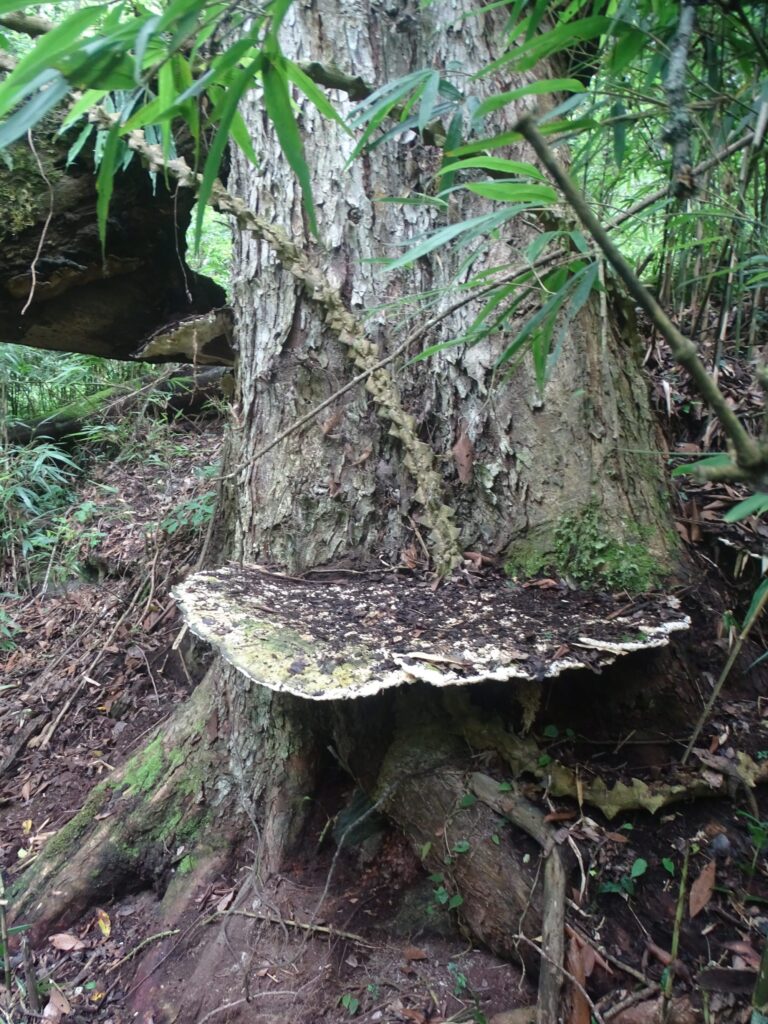
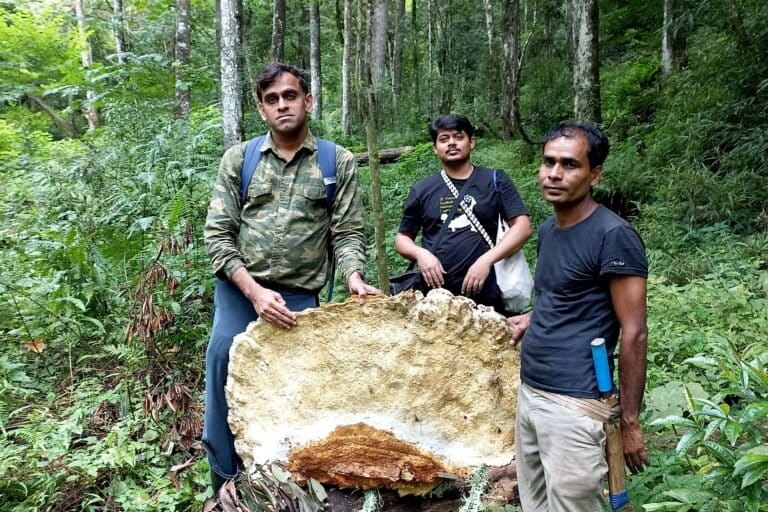
A team led by Botanical Survey of India (BSI) mycologist Arvind Parihar has described a completely new fungal species, Bridgeoporus kanadii, discovered growing on old-growth fir trees in Arunachal Pradesh’s forests. The massive fruiting bodies of this fungus can exceed three metres in diameter—big enough that one researcher joked they could sit on it. The species is named in honour of Indian mycologist Kanad Das for his contributions to macrofungal research in India. Found in dense clusters on dead fir trunks, the fungus belongs to a genus previously known only from North America and China—making this find not just new to India but indeed new to science.