India’s biodiversity continues to reveal its secrets as scientists uncover a remarkable range of new species across the country’s rivers, forests, and hills. From two vibrant freshwater crabs in Kerala’s Western Ghats to a narrow-banded snake in Mizoram, the Western Ghats and North east India reveal more secrets that nature has still in store.
Here are the top discoveries from August,
🦀 Two New Freshwater Crab Species in Kerala, Western Ghats
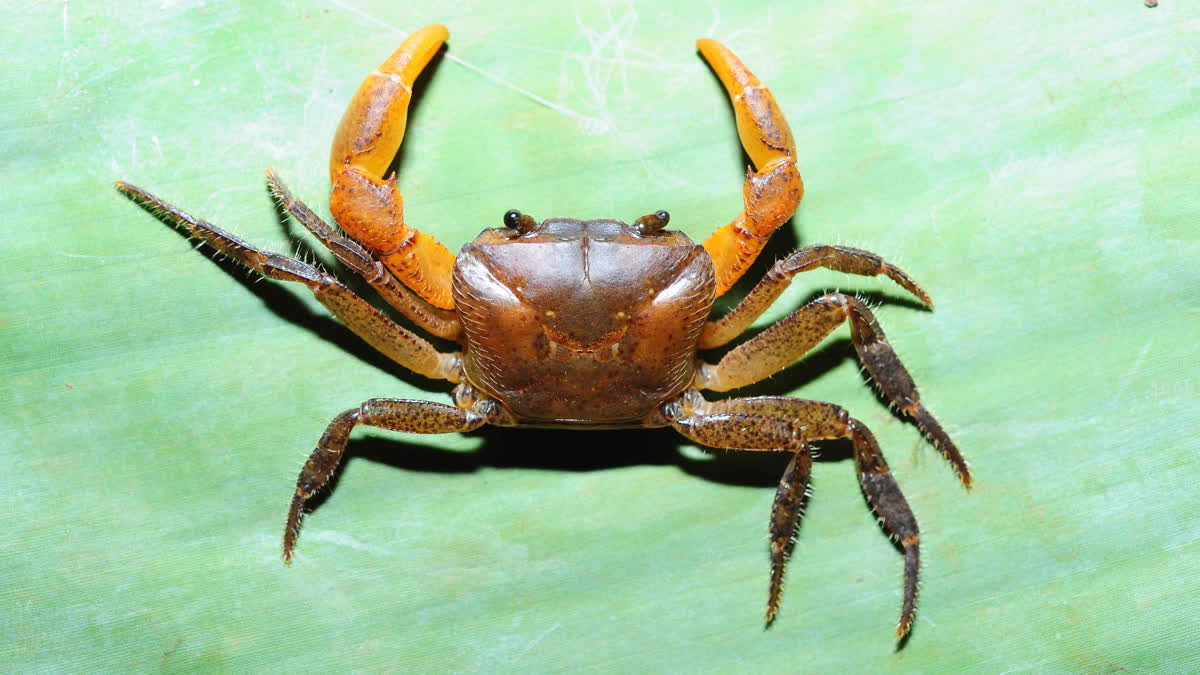
Amid Kerala’s lush Western Ghats, scientists from Kerala University stumbled upon two hidden gems of freshwater life. Exploring Ranipuram’s misty grasslands, they unearthed a striking orange-brown crab with black speckles—so unique it warranted a brand-new genus, Kasaragodina. Its first species, Kasaragodina shebae, was named in tribute to Dr Sheeba, a dedicated zoology lecturer. Further south in Gavi’s serene forests, they discovered a tiny, square-shelled relative: Pilarta vaman, its name reflecting its small stature. These crabs, mostly nocturnal and elusive, belong to a group where 70% of species are found nowhere else on Earth.
🪰Two New Shadowdamsel Species from Western Ghats Forest Streams
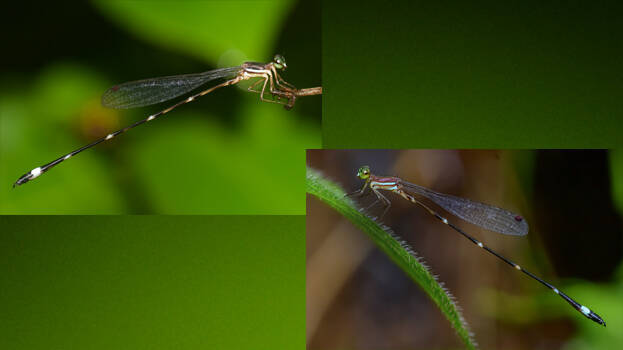
Deep in the shaded woodlands of the Western Ghats, a team of odonatologists and naturalists unveiled two enchanting new species of damselflies—dubbed the Crimson Shadowdamsel (from Aryanad, Thiruvananthapuram) and the Konkan Shadowdamsel (from Sindhudurg, Maharashtra). Though reminiscent of Fraser’s Red-spot Shadowdamsel from the Nilgiri Hills, these newfound gems stand out with subtle differences in neck shape, tail morphology, genital structure—and unmistakably, their DNA footprint. This discovery, published in Zootaxa, illuminates the hidden richness of these forest habitats. Shadowdamsels are a group of damselflies belonging to the subfamily Philosininae (order Odonata). They are closely related to dragonflies but are generally smaller, more delicate, and slower fliers. They are typically found in shady, forested streams and wetlands, hence the name “shadowdamsel.”
🌱New Edible Tuber Species Discovered in Kerala’s Wayanad
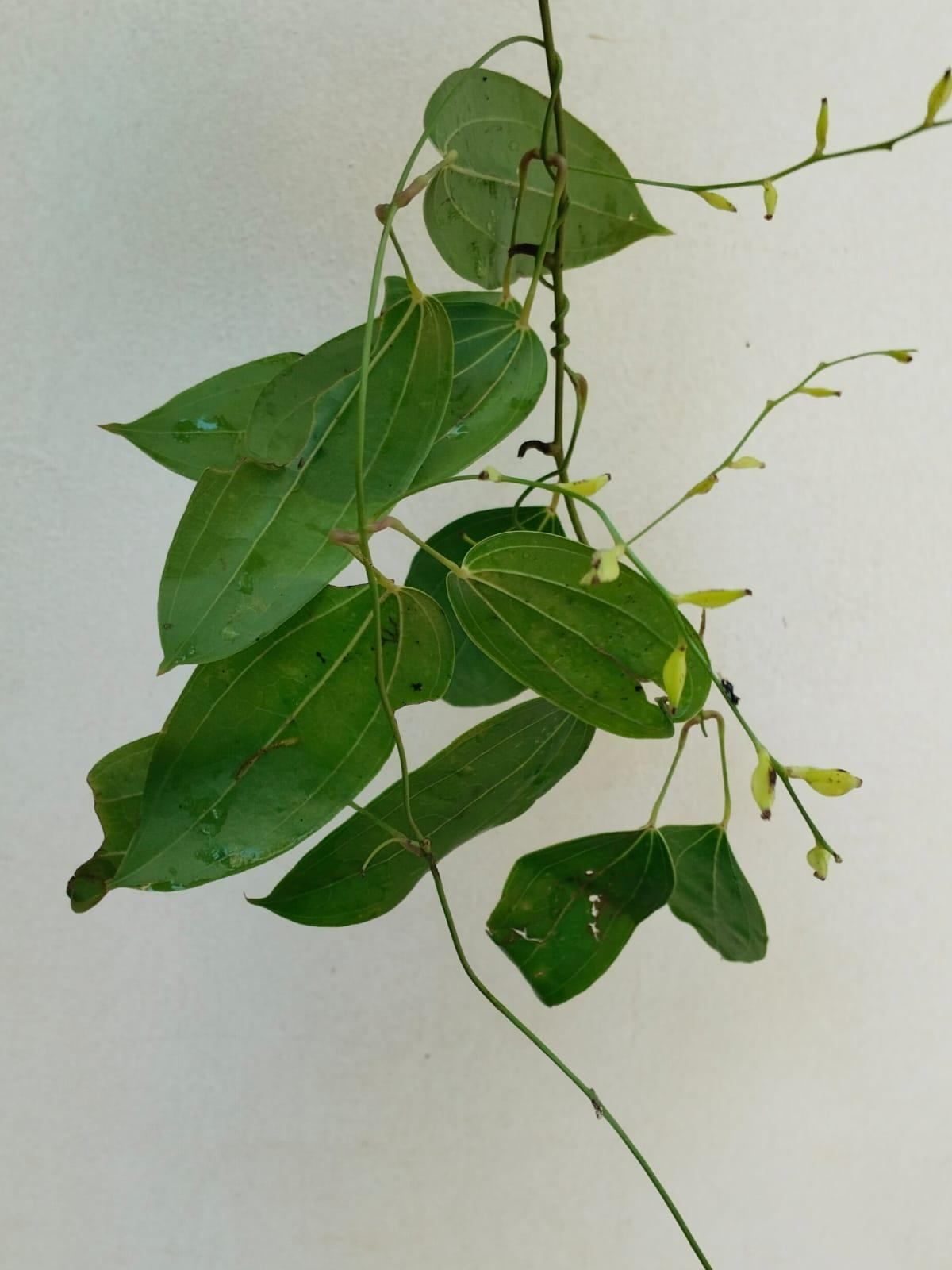
Deep within Wayanad’s misty shola forests in Kerala’s Western Ghats, researchers have unveiled a new, edible tuber species: Dioscorea balakrishnanii—a wild yam known locally as “chola kizhangu” among the Kattunayikar tribes. Found exclusively in evergreen sholas, this tuber has been carefully observed for over a decade to document distinct male and female floral traits. More than just a botanical curiosity, it offers promise as a low-glycemic food source with potential for cultivation and bolstering local food security.
🪳ZSI Discovers Two New Springtail Species in West Bengal After Four Decades
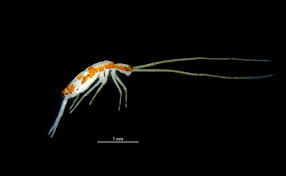
After 40 years, scientists from the Zoological Survey of India—Dr Guru Pada Mandal, Pritha Mandal, and Dr Surajit Kar—have discovered two tiny new creatures living in the soil of West Bengal. These are called springtails—minute, harmless insects that keep the soil healthy by breaking down dead plants and recycling nutrients. The new species are named Salina aurantiamaculata, with bright orange spots, and Salina pseudomontana, which looks like a known species but has different body hairs and a special spring-like tail that helps it jump. Though barely visible to the naked eye, springtails play a big role in farming and forests, showing how much life still hides under our feet.
☘️New Microscopic Algae Species discovered Where Rivers Meet the Sea in Udupi
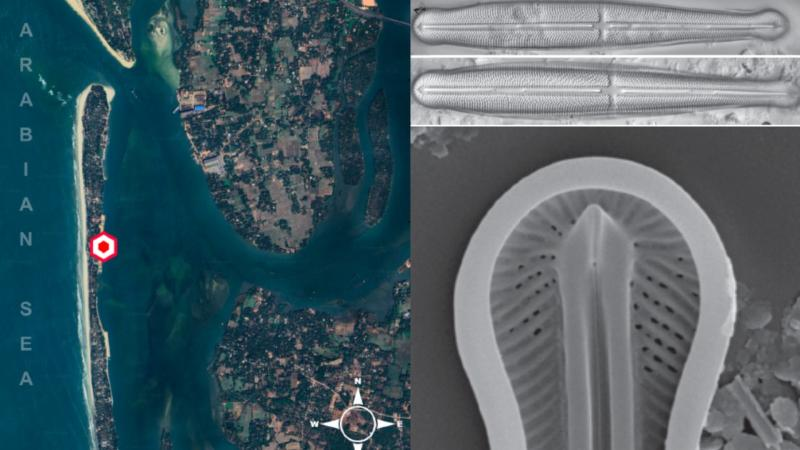
In the estuary near Udupi—where the Sita and Swarna rivers flow into the Arabian Sea—scientists have identified a brand-new species of diatom (tiny, single-celled algae) named. Diatoms play a vital role in aquatic ecosystems and are major sources of the oxygen we breathe. This species stands out thanks to its unusual club-like shape and fins (called “striae”) that radiate from the center and come closer near the ends, plus a distinctive tuning-fork pattern. Researchers from India’s Agharkar Research Institute in Pune, Manipal Institute of Technology (MAHE), and the University of Colorado teamed up to uncover this discovery using advanced microscopy.
🌼New Blossom Midge Species That Threatens Jasmine Crops in India
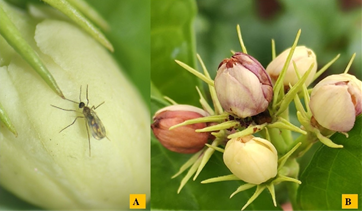
Researchers from the ICAR-Directorate of Floricultural Research in Pune, led by Dr. D. M. Firake, have identified a brand-new species of tiny fly—called Contarinia icardiflores—that specifically attacks flower buds of Jasminum sambac (jasmine). This new pest is closely related to a known jasmine enemy, Contarinia maculipennis, but is genetically distinct, as confirmed through both physical traits and DNA analysis. Drawn to jasmine buds, the adult midges lay eggs that develop into larvae, causing major damage and economic losses. The species lives a fast life cycle—just 16 to 21 days—making it a continual threat to growers. Thanks to this discovery, scientists now have a foundation to develop smarter, eco-friendly pest control methods tailored to protect jasmine farms across the country.
🐍Mizoram’s New Narrow-Banded Rain Snake
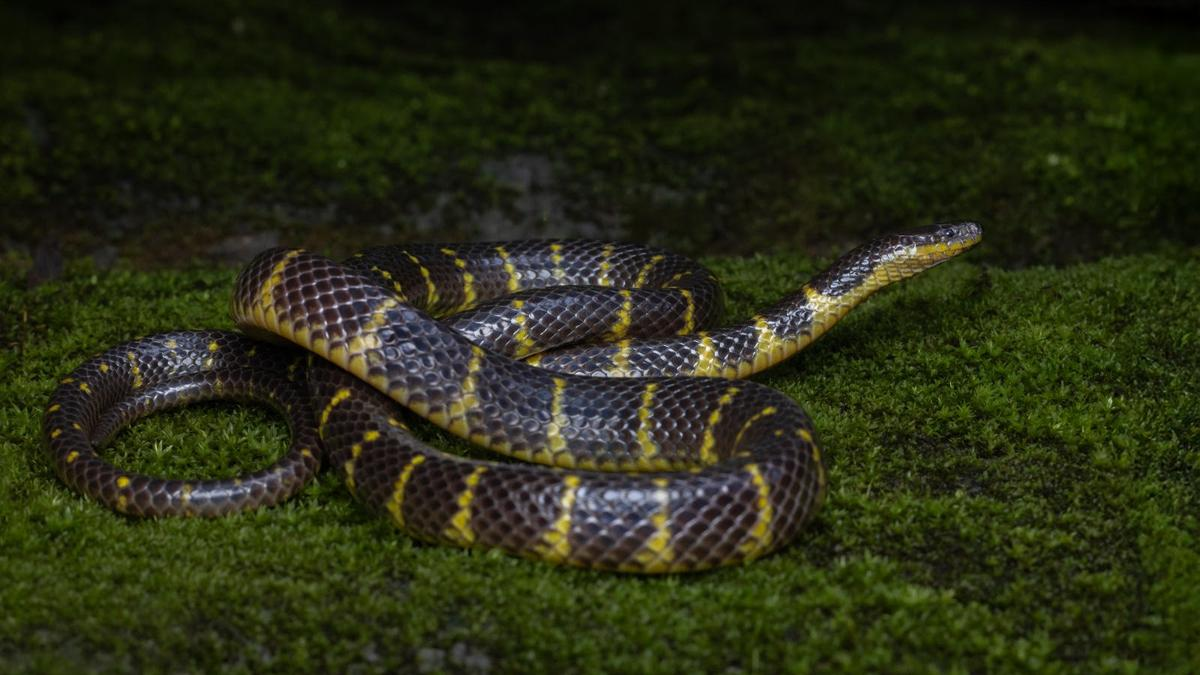
Scientists from Mizoram University, collaborating with conservation group Help Earth, have uncovered a new species of rain snake—Smithophis leptofasciatus, commonly called the narrow-banded rain snake or locally known as “Ruahrul.” These slender, shiny black snakes are marked by thin, incomplete creamish-white or yellow-green bands, a striking pattern that distinguishes them from their close relatives. Found in tropical montane forests at elevations of 900–1,200 m, the snakes dwell near small streams in humid, shaded microhabitats. Researchers collected two preserved specimens and observed live individuals, even noting a female that laid six eggs in captivity—a rare insight into their reproduction. DNA studies confirmed this species is genetically 11.5% different from its closest relatives, prompting its formal description in Taprobanica journal. This discovery makes Smithophis leptofasciatus the third species of its genus described from Mizoram, underscoring the state’s status as a biodiversity hotspot and emphasizing the need to protect its fragile forest ecosystems.
🌸New Violet Primrose Discovered in Arunachal’s Alpine Mist
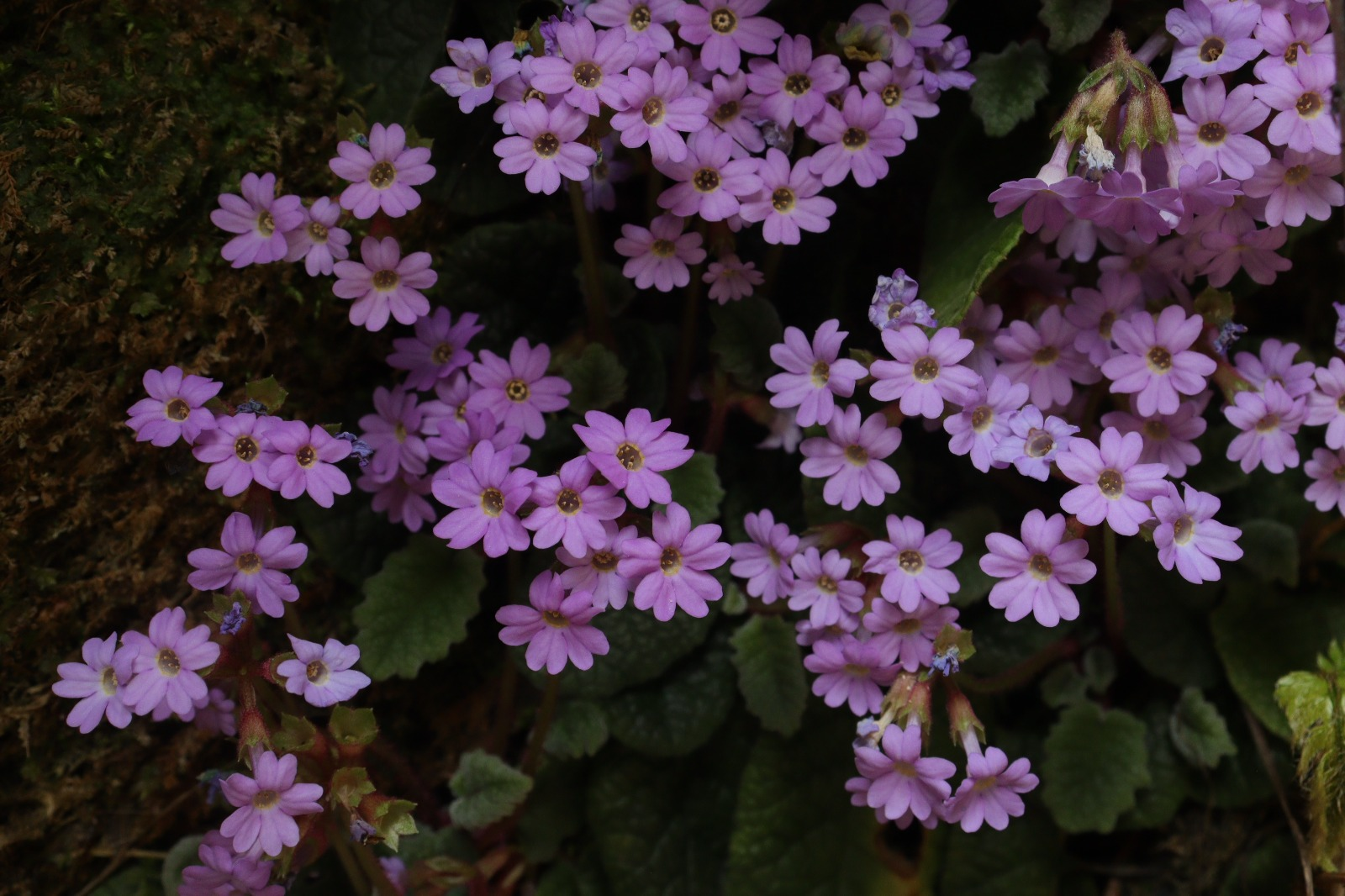
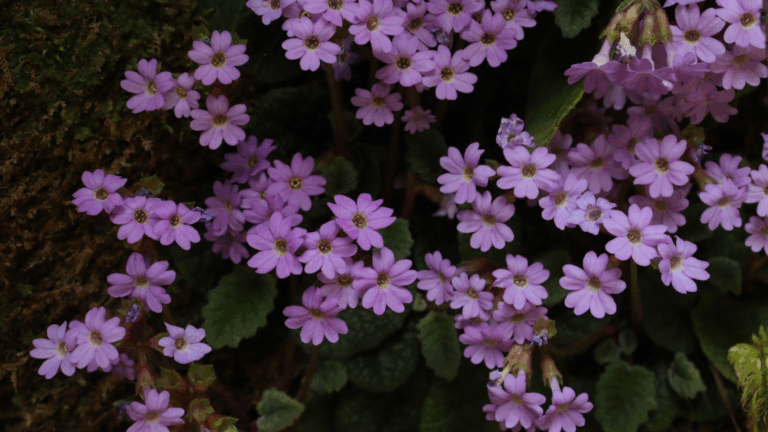
High up in the misty Mayodiya Pass of Arunachal Pradesh’s Dibang Valley, at around 2,550 meters, researchers discovered a brand-new primrose species named Primula indica. Led by botanists Bipankar Hajong and Pankaj Bharali, the team spotted vivid violet flowers with a golden-yellow center, larger and more striking than its relatives in China and Myanmar. Blooming between April and July, these delicate blooms carpet rocky slopes with pale violet hues. About 200 plants were counted during the survey, but because the plant is only known from this spot, it has been classified as “Data Deficient” by the IUCN—meaning more study is needed to assess its conservation needs.
🪱New Marine Roundworm Species Discovered in Chilika Lake
In Chilika Lake’s outer channel near Satapada, Odisha, researchers from Berhampur University, along with colleagues including Daniel Leduc from New Zealand, discovered a new microscopic species of marine roundworm, named Admirandus odishaensis. This tiny creature belongs to a genus previously known only from African waters—marking the first record of its kind in the northern Indian Ocean. Based on six collected specimens, the study highlights the significance of marine nematodes as environmental sentinels—they help scientists monitor the health of bottom-dwelling ecosystems. The find underscores just how much unexplored microscopic biodiversity remains in India’s coastal waters—and why such tiny discoveries are key to safeguarding aquatic ecosystems.
🐜Three Antlion Species Newly Recorded in Kerala’s Western Ghats
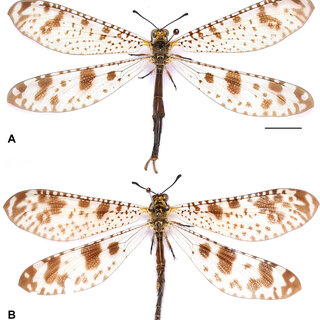
For the first time in Kerala’s Western Ghats, scientists have identified three species of antlions, a group of insects whose larvae dig small pits in sandy soil to trap ants. The species—Indopalpares pardus, Palpares contrarius, and Stenares harpyia—were previously known only in dry regions of northern and central India. Now found across several districts in Kerala, including Malappuram, Kannur, and Wayanad, their presence in the humid forests challenges what we thought we knew about where they can live.
The discovery was made by researchers at the Shadpada Entomology Research Lab at Christ College, Thrissur, with help from Hungarian entomologist Dr. Levente Ábrahám. Descriptions of these species—especially detailed features like their reproductive organs—will help scientists better understand antlion diversity in India
🌱New ‘Assam Umbrella Plant’ Discovered Clinging to Boulders in Kopili River
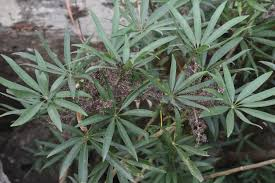
In a botanical treasure found in Assam’s Kopili River basin, scientists have identified a new evergreen shrub species named Heptapleurum assamicum, affectionately dubbed the “Assam Umbrella Plant.” Found in Dima Hasao and West Karbi Anglong districts, researchers encountered just ten individuals growing on a massive riverside boulder during intensive field surveys. Adapted to survive flowing water, these plants feature umbrella-like foliage and exposed roots ideal for their rheophytic habitat.
Belonging to the Araliaceae family (the same group as the ornamental umbrella plant), this wild cousin stands out with narrow lance-shaped leaflets, striking purple flowers, and deep reddish-purple fruit adorned with orange-red glands. It blooms from January to March, with fruit maturing by May. With such a tiny, localized population and no immediate threats documented, the plant is currently classified as “Data Deficient” under IUCN standards.