Quick Glance
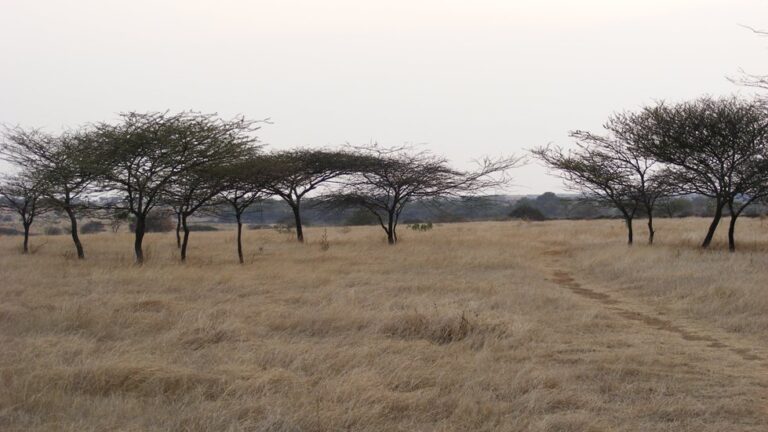
- A new study shows that centuries-old Marathi and Sanskrit literature — poems, folk songs, and pilgrim tales — consistently describe western Maharashtra as open grasslands and thorny savannas, not dense forests.
- Researchers identified 44 wild plant species in these texts, two-thirds of which are characteristic of savannas.
- The findings challenge widespread assumptions behind afforestation drives, warning that tree-planting on natural savannas harms biodiversity, erases ecological heritage, and misguides climate policy.
- The work highlights how folklore and traditional literature can serve as ecological archives, revealing long-standing human–savanna connections and guiding conservation efforts today.
We usually think of ancient texts as windows into past beliefs, rituals and the way the societies lived. But what if they are also time-machines for plant diversity of a region?
That is the daring premise of a new study, Utilizing traditional literature to triangulate the ecological history of a tropical savanna (published 25 Nov 2025 in the journal People and Nature). Authors Ashish Nerlekar (plant scientist) and Digvijay Patil (archaeologist) dove into centuries-old Marathi and Sanskrit literature — folk songs, poems, pilgrim accounts — hunting plant-names, landscape descriptions, and ecological hints.
Their goal was to chart what western India – particularly western Maharashtra looked like long before colonial deforestation, modern agriculture, or tree-planting drives. And the results of their study gives undeniable historical evidence of what parts of Maharashtra always looked like centuries ago – open grasslands, thorny shrubs and plenty of non-tree areas.
Grasslands or Forests?
Maharashtra’s open, grassy savannas have long been treated as mistakes—botanical ruins caused by logging, agriculture, or colonial exploitation.
As the authors note in their paper,
“There are at least a couple of narratives about how India’s savannas originated, and all of them consistently imagine a primeval forest ecosystem as the default starting point.”
- One narrative attributes the formation of peninsular India’s savannas to the large-scale clearing of forests for agriculture beginning around 4000 years ago.
- Another narrative implies the formation of savannas due to large-scale timber extraction by the British colonists starting in the early 19th century and continuing deforestation through India’s independence in 1947 and into the 20th century.
But when the researchers sifted through nearly 800 years of traditional Marathi literature, they kept stumbling onto scenes that looked nothing like dense forests or cleared wastelands. Instead, they found reference to grasslands, thorny shrubs, and wide-open spaces stretching across the Deccan.
Read More: Historic First, Captive Bred Wolf Give Birth in Gujarat’s Grasslands
Reading History As a Naturalist
To test what actually ancient India looked like from a naturalist’s point of view, the authors reviewed georeferenced nature descriptions in 28 traditional literature excerpts set in the savannas of western Maharashtra in India, dating between the 13th and the 20th centuries CE.
In a 13th-century manuscript, a small mention stood out for them – a thorny acacia tree, evoked as a symbol of mortality and rebirth by a wandering religious teacher. At first glance it looked like just a metaphor. But for ecologists that “thorny acacia” mapped closely to a species known for open grasslands.This accidental overlap — poetic mention and botanical reality — convinced the researchers there might be more waiting in the archives.
As the authors write,
“The excerpts we review are sourced from works that are primarily of religious nature and acknowledge the presence of the surrounding savanna flora in myriad ways—as allegories, imageries, omens and even personified as companions. Most of these excerpts come from stories that allude to a mythical past. Yet, they offer a glimpse into how the people of western Maharashtra have internalized the surrounding savanna landscape and flora within their literary imaginations, and by extension the mindscapes.”
They began to comb through folk songs, myths, pilgrimage narratives, poems and regional literature in Marathi and Sanskrit written and also often passed orally before being recorded.
They documented 44 species of wild plants mentioned in these texts. Nearly two-thirds of them are species today known to be characteristic of savannas, not dense forests.
Some stories stand out for their vivid landscape detail,
- A 16th-century passage in the epic Adi Parva describes cowherders drawn into the “empty, thorny” valley of the Nira River — praising its abundant grasslands, not shady forests.
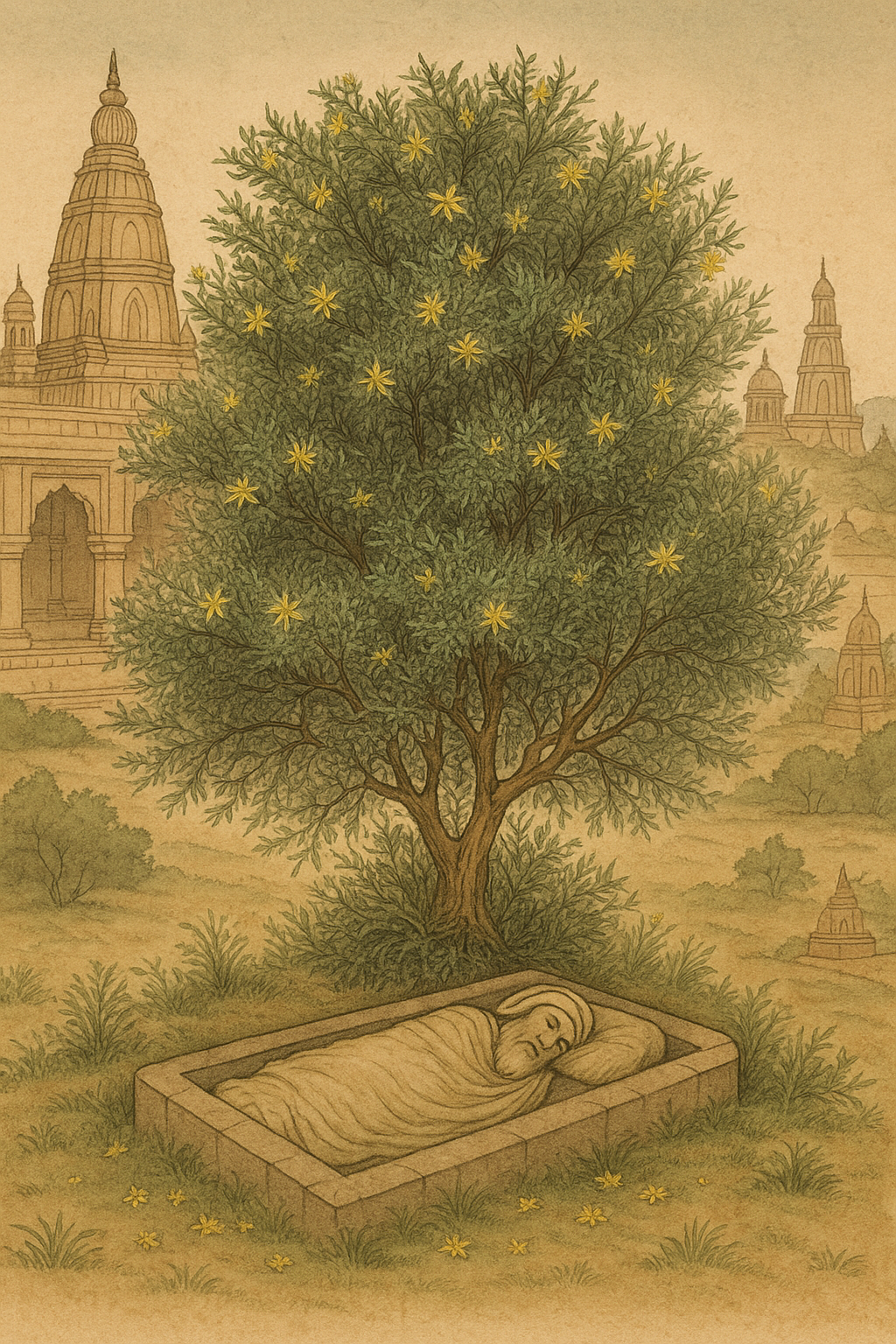
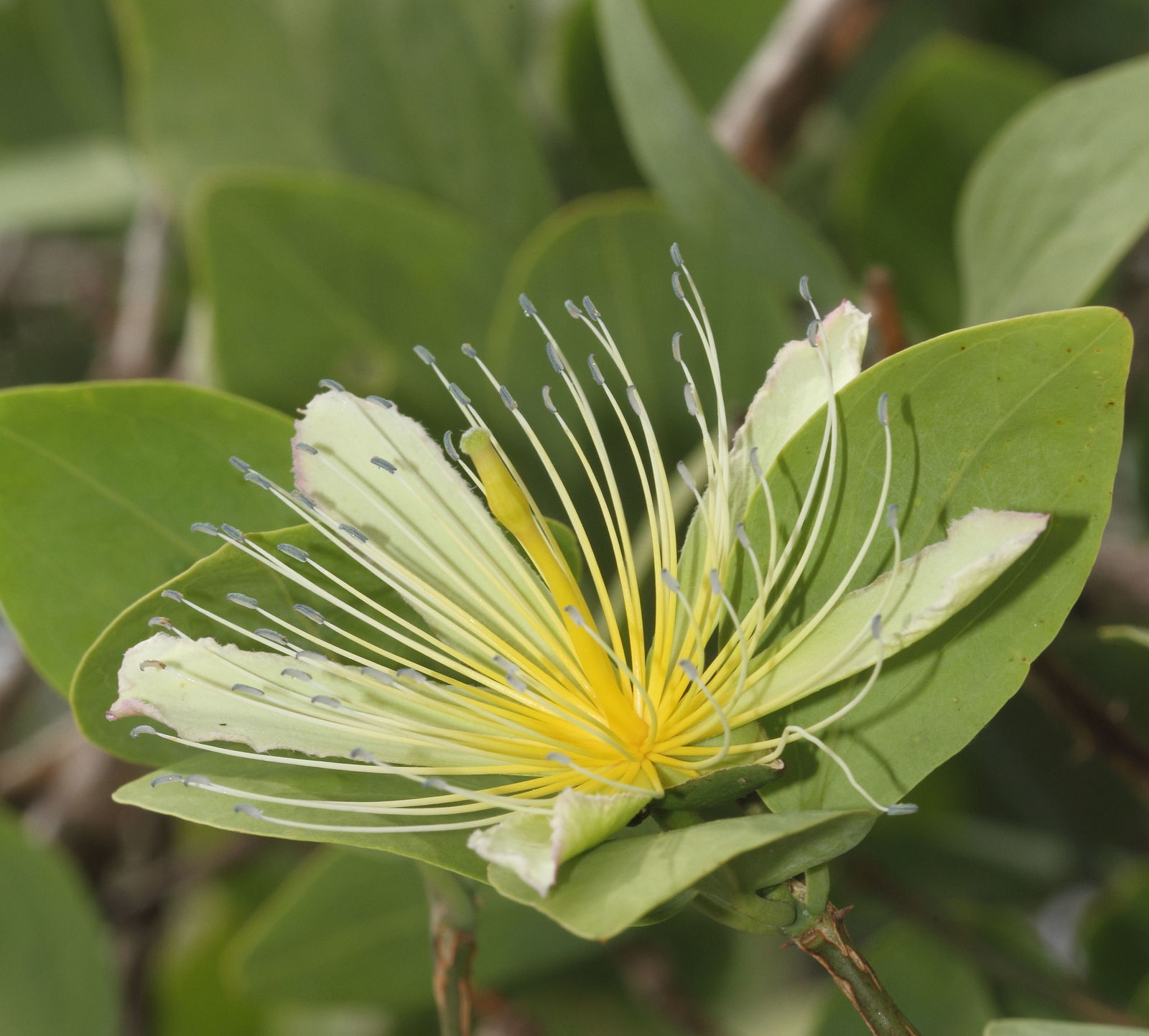
- A 15th-century account set near a pilgrimage site (Pandharpur) tells of a taraṭī tree (today known as Capparis divaricata) sprouting from the grave of a saint — a sun-loving shrub typical of open savanna habitats.
- Multiple references to the thorny acacia tree — Vachellia leucophloea — repeatedly emerge as part of the region’s natural imagery.
Together, these gave more than literary flavour: they mapped a landscape that, hundreds of years ago, looked in many ways like what still exists today.
A “Savanna Past,” Not a “Forest Lost”
Why does this matter? Because in public imagination and often in policy too many see India’s grasslands and open lands as degraded forests: remnants of grandeur lost to human destruction. But this new work challenges that narrative.
In the region studied nearly 37,500 sq km today consists of open grassy savannas. The presence of those 44 species — many of them characteristic of savanna ecosystems — in centuries-old literature suggests that savannas are not a recent, degraded form. Instead, they were the original, long-standing ecosystems of much of the landscape.
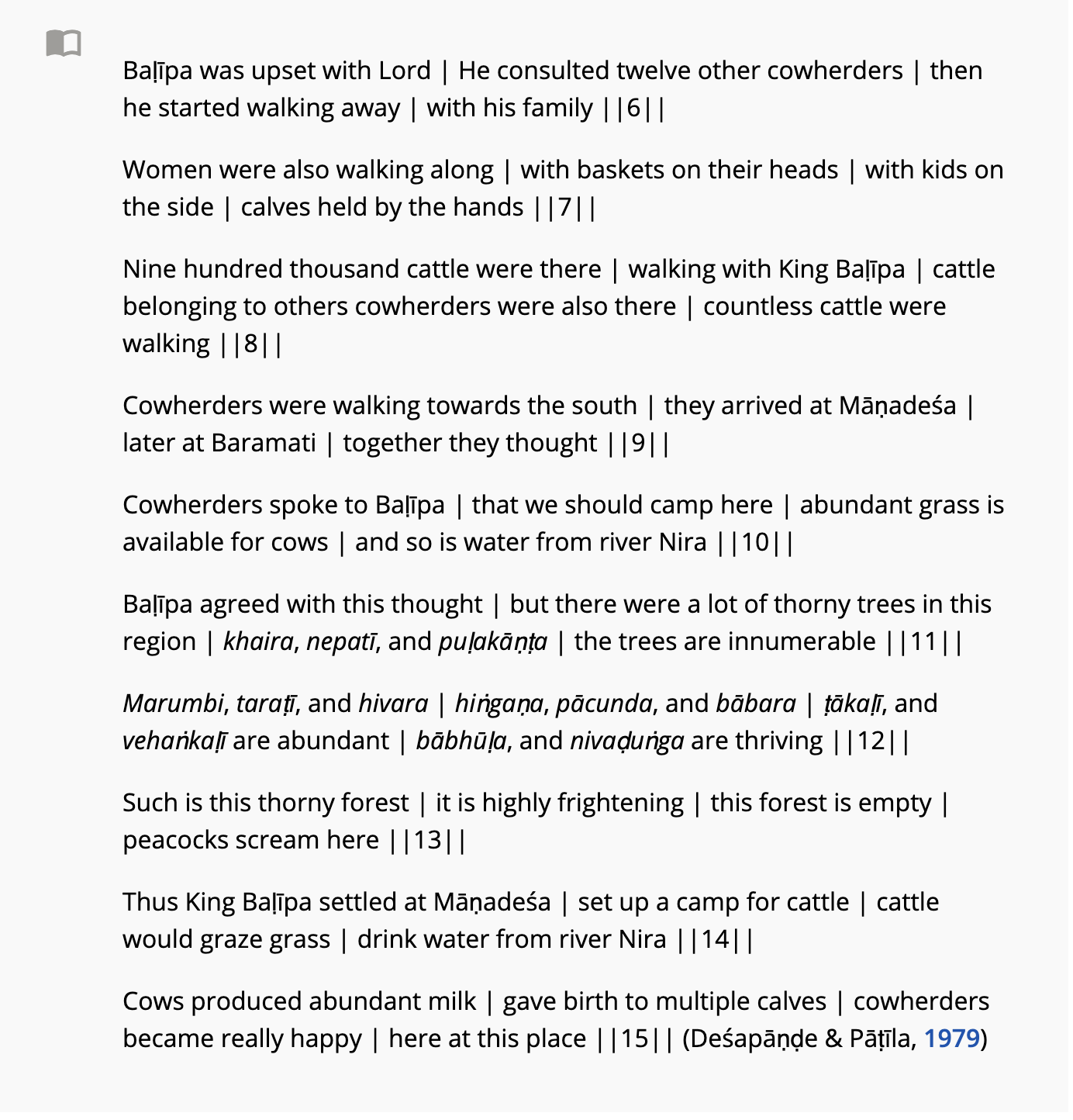
Image and caption from the study published at besjournals
Why This Matters Today
This reimagining of the past — from romance of forested hills to recognition of grasslands — carries profound implications for conservation, climate policy, and how we connect with land.
For Biodiversity & Ecosystem Integrity
Savannas are home to hundreds of plant species — many endemic to India — that don’t do well under dense forest cover. These ecosystems rely on cycles of fire, grazing, seasonal rainfall — rhythms destroyed when we convert savannas to farmland or plant dense forests.
If we treat savannas like degraded forests and force afforestation (dense tree-planting), we risk losing unique species, destroying habitat, and erasing ecological heritage.
For Climate & Land-Use Policy
Global and national climate narratives often push for massive tree-planting — to absorb carbon, to “green” degraded lands. But what if large portions of that “degraded land” were never forests to begin with?
The authors warn that indiscriminate tree-planting on natural savannas could backfire — harming biodiversity, undermining natural ecosystem services, and misallocating efforts in climate-mitigation strategies.
Read More: Grazing Animals Saving Dying Grasslands
For Culture, Memory & Identity
Perhaps most beautifully: this study shows that poems, songs, pilgrim tales and cultural fragments passed through generations are not just folklore. They are ecological archives.
In these verses, in these stories, lie traces of how people saw the land, its grasses, its thorny trees, its open skies. For a country where human-nature coexistence has long roots, this confirms that ecology and culture were never separate.
What Must Change — A Roadmap for the Future
- Recognize and protect savannas as native ecosystems, not degraded forests. Conservation plans must treat grasslands and savannas with the same respect as lush forests.
- Pause indiscriminate tree-planting. Where savannas naturally existed, forcing afforestation may harm more than help.
- Value ecological heritage hidden in culture. Ancient texts, folklore, pilgrim songs — these must be studied, documented, preserved. They are ecological data, not just cultural art.
- Prioritize savanna-friendly biodiversity. Endemic plant species, grasses, shrubs, sun-loving trees — conservation must expand beyond forest-centric models.
- Raise public awareness. People often equate “green” with “forest.” We need to show that open grasslands and savannas are green, alive, and vital.
The Past Talks — Are We Listening?
What fascinates me most about this work is how it blurs boundaries. A poem becomes a field survey. A saint’s metaphor becomes a datapoint. A pilgrim’s memory becomes ecological truth.
As someone who has spent years writing about endangered species, climate change, and conservation in India — especially under the banner of India’s Endangered — this strikes a deep chord. Because it reminds us: nature is not just what we see now. It’s what was — in stories, in memories, in soil and grass. And often, what we lost was never a “forest lost” — but a landscape forgotten.
If we have to build a future of conservation, identity and climate resilience — let it start with listening. Not just to scientists. But to bards and ballads, pilgrims and poets. Because sometimes, the most powerful science lies in what people sang long ago.
Read the detailed study here
Featured image via Wikimedia Commons