
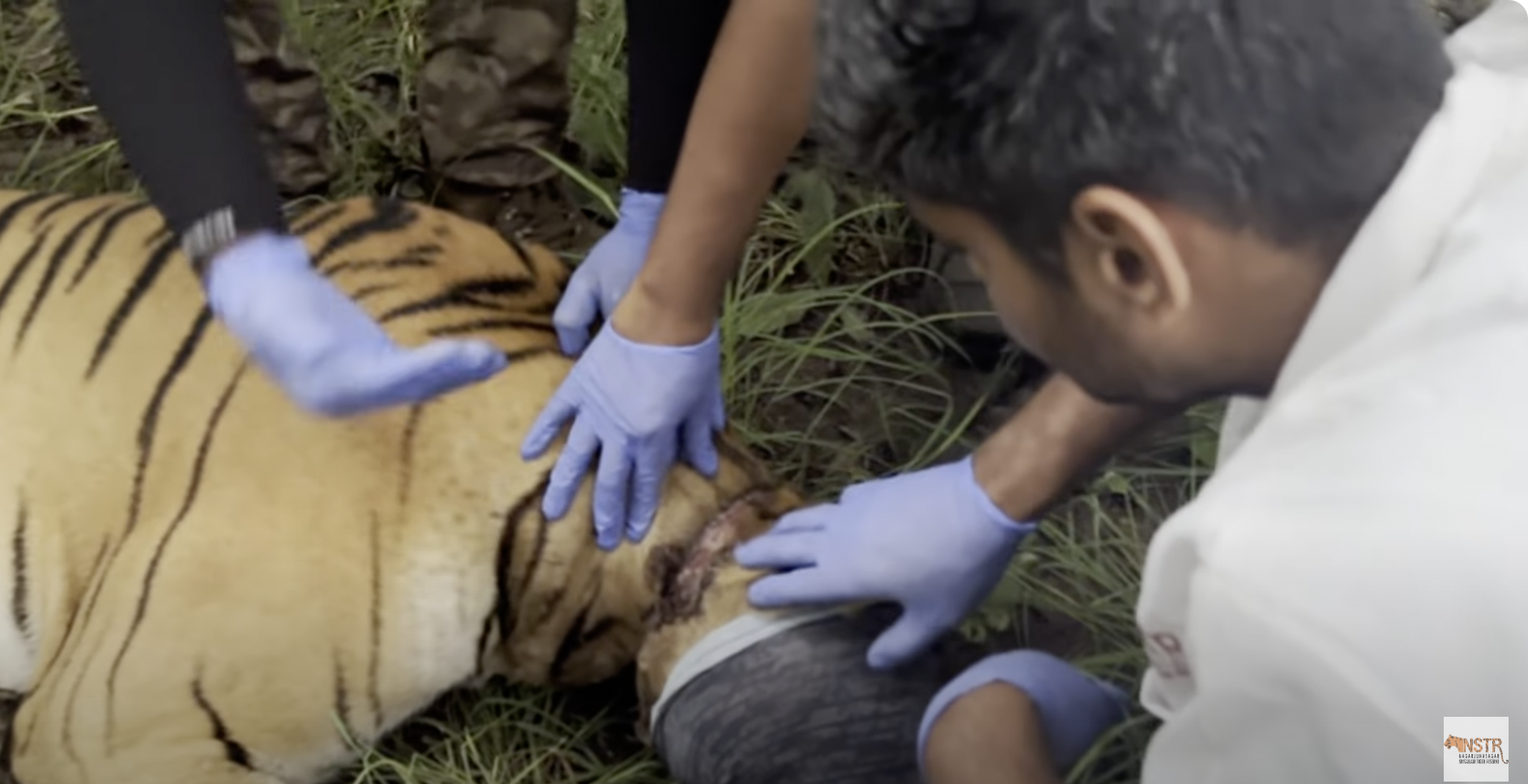
When a four-and-a-half-year-old tigress was brought for treatment to the zoo in Tirupati, veterinarians were confronted with a horrific sight — a huge, gaping hole in her throat.
This was not the result of a territorial fight or a hunting mishap. The wound was caused by a poacher’s wire snare illegally set in the Nagarjunasagar Srisailam Tiger Reserve of Andhra Pradesh.
For 26 days, despite extreme pain and dedicated medical efforts, the tigress — identified as T132F — fought for her life. But the injuries were too severe, and she eventually succumbed. Her death marked the second tiger fatality due to wire snares in the Atmakur area of the reserve in just two years.
Snares: The Death Trap
Wire snares are a cheap contraption and a deadly trap that poachers or sometimes villagers living on the fringes of protected forests lay to either catch or keep animals away from their land. From barbed wire to cables, nylon strings, or even vines, snares are easy to make, hard to detect, and brutally effective.
But snares do not come with a name tag of which animal will be its next victim. While the main intention of the poachers is usually to trap herbivores like the sambhar, spotted deer, wild boars or rabbits, it is not uncommon for other wild animals to fall prey. Any tiger or leopard venturing too close to the borders of the protected forest is likely to get trapped.
For T132F it must have been days of agony with a sharp wire stuck all round her throat, choking her slowly and simultaneously piercing through the skin to cut deeper and deeper into the flesh. When forest department staff rescued her, they found that she had somehow managed to remove the wire, but her wounds were severe. Despite treatment, she did not survive.
A Life Lost Too Soon
The Nagarjunasagar Srisailam Tiger Reserve is one of the largest in India and home to 87 tigers. Just last year, the forest department successfully rescued a tiger caught in a snare, treated it, and released it back into the wild. Ironically, that same tiger died a few months later after getting caught in an electric snare. When found, its claws had been brutally removed for sale in illegal wildlife markets.
Even when the death of a tiger is not a pre-meditated move of a poacher, the accidental snaring is an irrevocable economic and ecological loss.
Let’s take the example of T132F. This is the impact her death makes,
Ecological Loss
- Loss of breeding potential: At 4½ years, T132F could have bred for another decade, producing 15–20 cubs over her lifetime.
- Genetic loss: Reduction in genetic diversity in her population, especially if the local tiger group is small or isolated.
- Territory disruption: Her vacant territory may lead to instability, with fights among other tigers or encroachment by subadults.
- Trophic cascade: Fewer apex predators like the tigress in the forest, can cause prey overpopulation → overgrazing → forest degradation → reduced carbon capture.
- Umbrella species effect: Protection linked to her presence also safeguarded countless other species and habitats, which are now weakened.
Economic Loss
- Tourism revenue loss: Potential ₹5–10 crore in lifetime tourism income from visitor interest and tiger sightings.
- Conservation investment wasted: ₹10–15 lakh spent over her life on patrolling, monitoring, and habitat management that now yields no long-term return.
- Ecosystem service loss: Using a conservative attribution (1–5% of reserve’s ecosystem service value), her death represents roughly ₹22–205 crore in lost natural services like water regulation, carbon sequestration, soil protection, and biodiversity support.
Solving A Pan-India Problem
The snaring of tigers and leopards is not limited to Andhra Pradesh. In 2022, a tigress with three nine-month-old cubs was choked to death by a snare in Nagarahole Tiger Reserve, Karnataka. In 2020, a tiger was killed by a jaw trap in Tadoba Andhari Tiger Reserve, Maharashtra. Between 2010 and 2019, snares claimed the lives of 24 tigers and 114 leopards across India.
In January 2022, the National Tiger Conservation Authority (NTCA) mandated Anti-Snare Walks (ASW) across all tiger reserves in the country. This involves forest teams patrolling vulnerable areas on foot, removing traps, and documenting findings to prevent wildlife deaths and deter poaching.
Following the recent tragedy, Andhra Pradesh forest officials have intensified anti-snare operations in the Nagarjunasagar Srisailam Tiger Reserve (NSTR). Teams now patrol 20-km-radius zones on foot, using metal scanners to detect and dismantle wire snares every 15 days—especially in Atmakur and Nandyal, where poaching is most common.
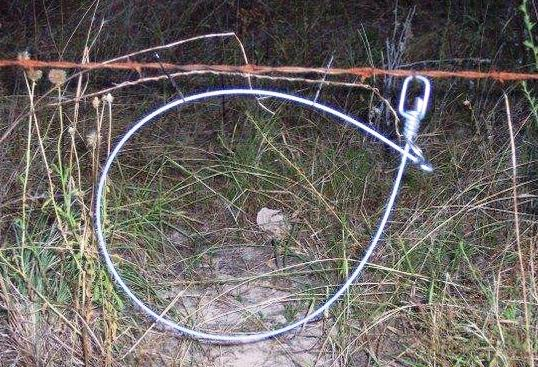
Officials are also raiding local markets in Kurnool and Adoni to seize snares and take legal action against sellers. Joint operations with Telangana forest authorities aim to curb snare distribution in border markets and weekly fairs.
With drones now a valuable conservation tool, forest teams plan to use aerial surveillance to spot snare-trapped animals, enabling swift tranquilization and transfer to veterinary care facilities.
Every tiger lost to a snare is a piece of India’s natural heritage stolen — silently and brutally. The fate of this tigress should not fade into another statistic. It must serve as a turning point, pushing authorities, communities, and conservationists to work together so that the forests of India remain a place where tigers roam free, not where they meet an invisible, choking end.




One thought on “A Tiger’s Death by Wire Snare Exposes Hidden Dangers in India’s Forests”