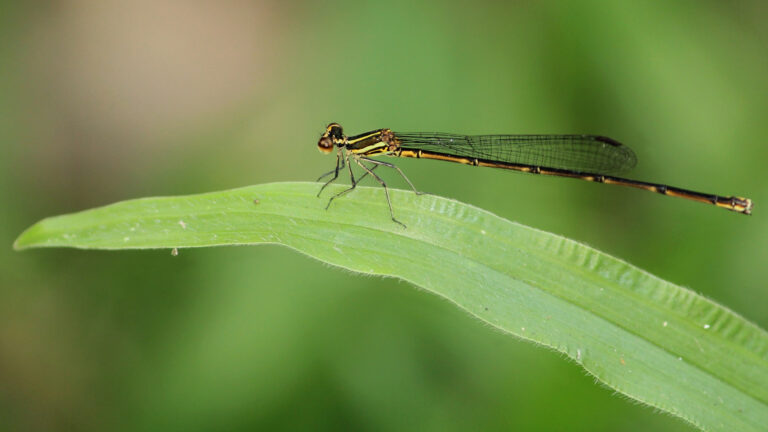
A study spread across 144 sites in 5 states covering the Western Ghats has documented 143 species of odonates from the region. These are species of damselflies and dragonflies that are found in this area. However, in the span of two years when the survey was conducted, the researchers could only find 65 percent of the previously known species of these tiny insects indicating that the ecosystem is not as pristine and healthy as it seems.
Odonata, the insect order that includes dragonflies and damselflies, depend entirely on freshwater habitats such as rivers, streams, ponds, lakes and waterfalls for reproduction, making them highly sensitive indicators of ecosystem health. With 35% of the previously known damselfly and dragonfly not recorded during the survey, the researchers are concerned about the overall health of the ecosystem.
The survey was conducted by researchers from MIT World Peace University (MIT-WPU), Pune, along with collaborators from the Society for Odonate Studies between February 2021 and March 2023. It was led by Dr Pankaj Koparde.
Dr. Koparde says that the absence of some odonate species is concerning indicating the degradation of habitat but they also found a south to north shift in species composition.
The state wise data of the survey showed
- Maharashtra 100 odonate species with 12 endemic to the state
- Kerala had 83 odonates with 33 endemic to the state
- Karnataka 64 species with 6 endemic species
- Goa 35 species with 4 endemic species
- Gujarat 18 species with no endemic species
Among these at least three species, Elattoneura souteri , Protosticta sanguinostigma and Cyclogomphus ypsilon are currently listed as “Vulnerable” on the IUCN Red List , while many others remain poorly studied or unassessed.
Dr. Pankaj Koparde emphasised the urgency of expanding research efforts. “This study is a result of one of the most extensive Odonata surveys across the Ghats. We see a south to north compositional turnover, which needs to be studied further. Our surveys could recover only 65% of known Odonata fauna of the Ghats, indicating plausible loss of species and habitats,” he said. He added that the research “adds value to current literature, fills an important gap, and lays the foundation for prioritising Odonata-rich areas for conservation.”
Odonates need a freshwater ecosystem for breeding. The absence of 35% of previously known species from the Western Ghats is an alarm bell that this biodiversity hotspot of the world is reeling under the pressure of development, destruction and degradation.
Decoding the Lives of mystery Insects
A Life in Two Worlds
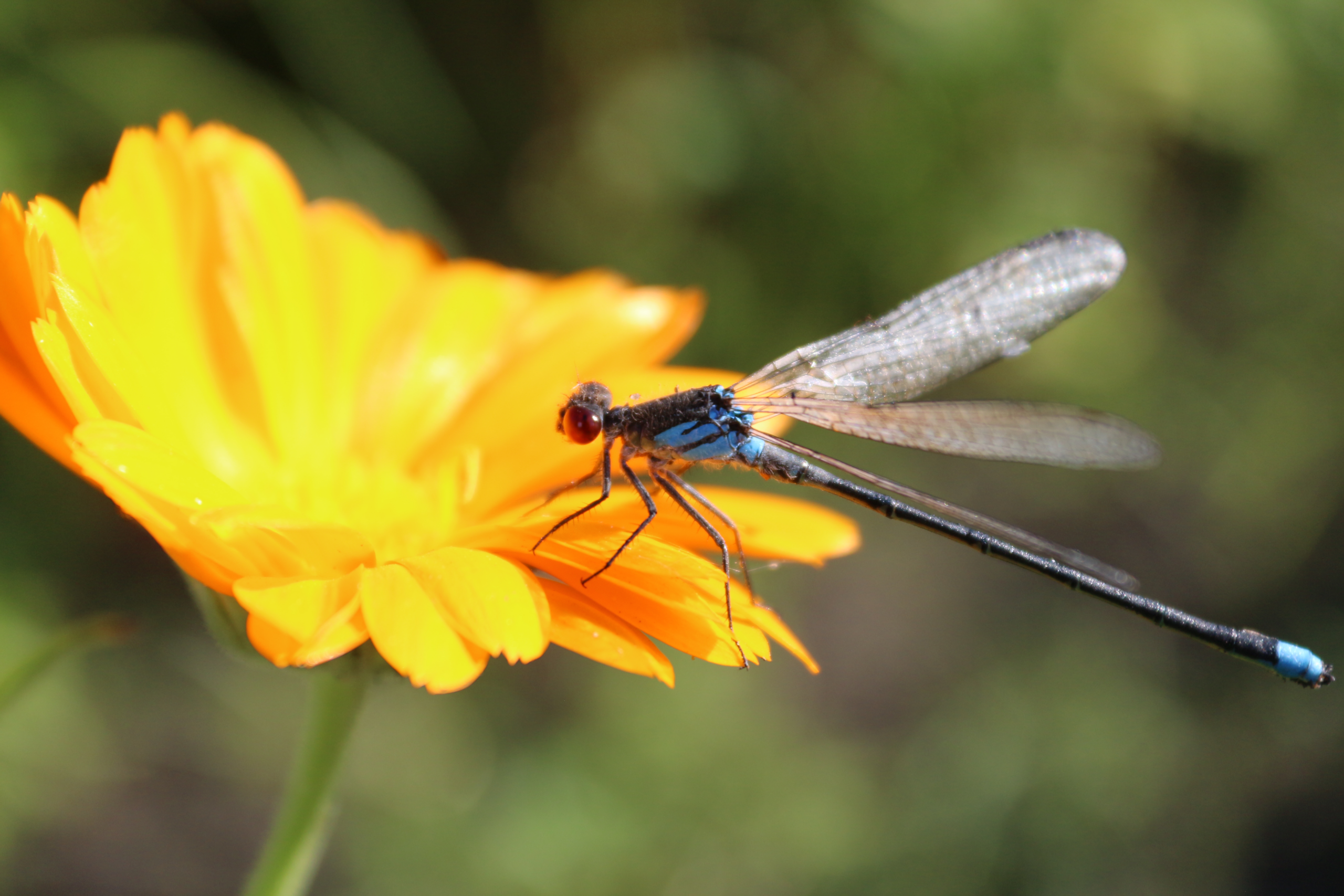
Odonates spend most of their life as aquatic larvae in rivers, streams, ponds, and wetlands, and then emerge as flying adults. If the water is polluted, stagnant, or altered, larvae don’t survive. If the surrounding land is degraded (loss of vegetation, pesticides), adults decline. So their presence or absence reflects the health of both the aquatic as well as terrestrial habitats.
Odonates also have a relatively short life cycle so they quickly respond to changes. A healthy environment will make them thrive, whereas a degrading environment will lead to population decline very quickly. This also makes these species very good test subjects to scrutinise the health of an ecosystem. If an ecosystem is restored the odonates return very fast and start multiplying.
Another important factor to consider is that not all odonates require the same kind of habitats. Some occur in forest streams, others in shaded waterfalls and still others in marshy wetlands or hill streams. As Western Ghats has all these kind of habitats suitable for different odonate species, the lack of particular ones, can actually help scientists figure out which type of habitat needs urgent restoration.
In many ways, the high diversity of dragonfly and damselfly found in the Western Ghats reflects the high diversity of the habitats and microhabitats found in this region. It is this diversity that comes together to create the complex Western Ghats. A small percentage of a tiny insect gone missing has a greater significance in ecological terms and a clear warning sign of a world natural heritage site in imminent danger.
What is the Difference between Dragonfly and Damselfly?
Featured image of Elattoneura souteri via wikimedia commons