18 January 2026 – 24 January, 2026. Top pick of India’s threatened wildlife photography this week. All photographic content is © by the respective photographers.
Two elephants wrap around each other in Athirapally, Kerala. Located along the Chalakudy River, of the Western Ghats this ecologically senstitive landscape is often called the “Niagra of India” because of its waterfalls.
Conservation Status: Endangered
Wildlife Photography by: Vaisakh N / Instagram
Read More: India has fewer elephants than we thought, finds new elephant survey
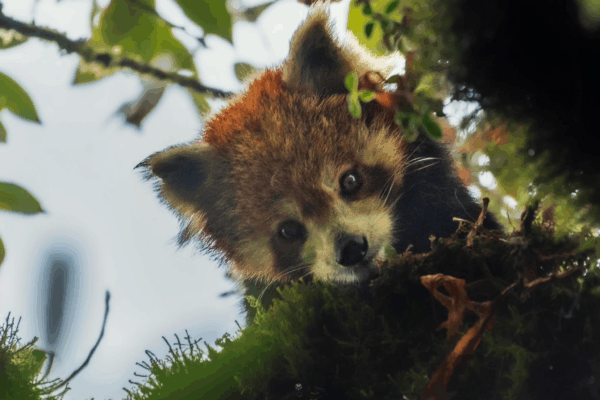
Two red pandas high up on the branches of a tree is Singalila National Park, West Bengal. The park offers panoramic views of Kanchenjunga, and on clear days, Everest, Lhotse, and Makalu. It is known for red panda habitat, Himalayan black bear, and rich rhododendron forests.
Conservation Status: Endangered
Wildlife Photography by: Pratik Pradhan / Instagram
Read More: There are two distinct red pandas, reveals new research
Barely larger than a hare, the Indian chevrotain melts into the leaf litter of the Sahyadri forests—an ancient lineage surviving quietly in the shadows.
Conservation Status: Least Concern (However, threats like hunting, forest fires and habitat degradation linger threatening the population of this unique species)
Wildlife photography by: Shardul Kelkar / Instagram
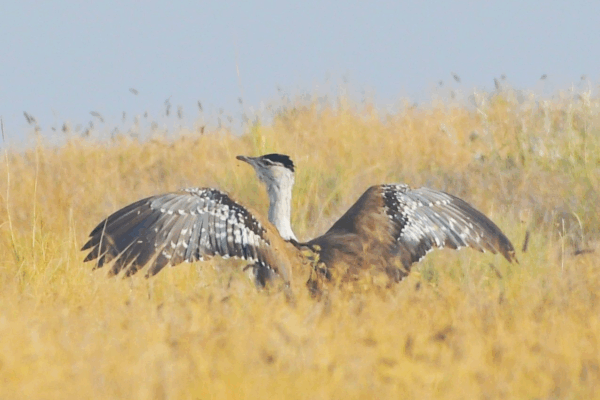
Two Great Indian Bustards in Desert National Park scan the horizon in opposite directions, a quiet reminder of vigilance in one of the most fragile habitats they inhabit. The desert national park is one of India’s last strongholds of desert biodiversity consisting of arid grasslands, rocky plains, salt lakes, scrub, and dunes.
Conservation Status: Critically Endangered
Wildlife photography by: Rahil Patel / Instagram
Read More: Ten Great Indian Bustards in One Frame
A pair of Sarus cranes stands together in the wetlands of Keoladeo National Park, Bharatpur. Known for forming lifelong bonds, Sarus cranes are symbols of fidelity and wetland health.
Conservation Status: Vulnerable
Wildlife photography by: Mainak Halder / Instagram
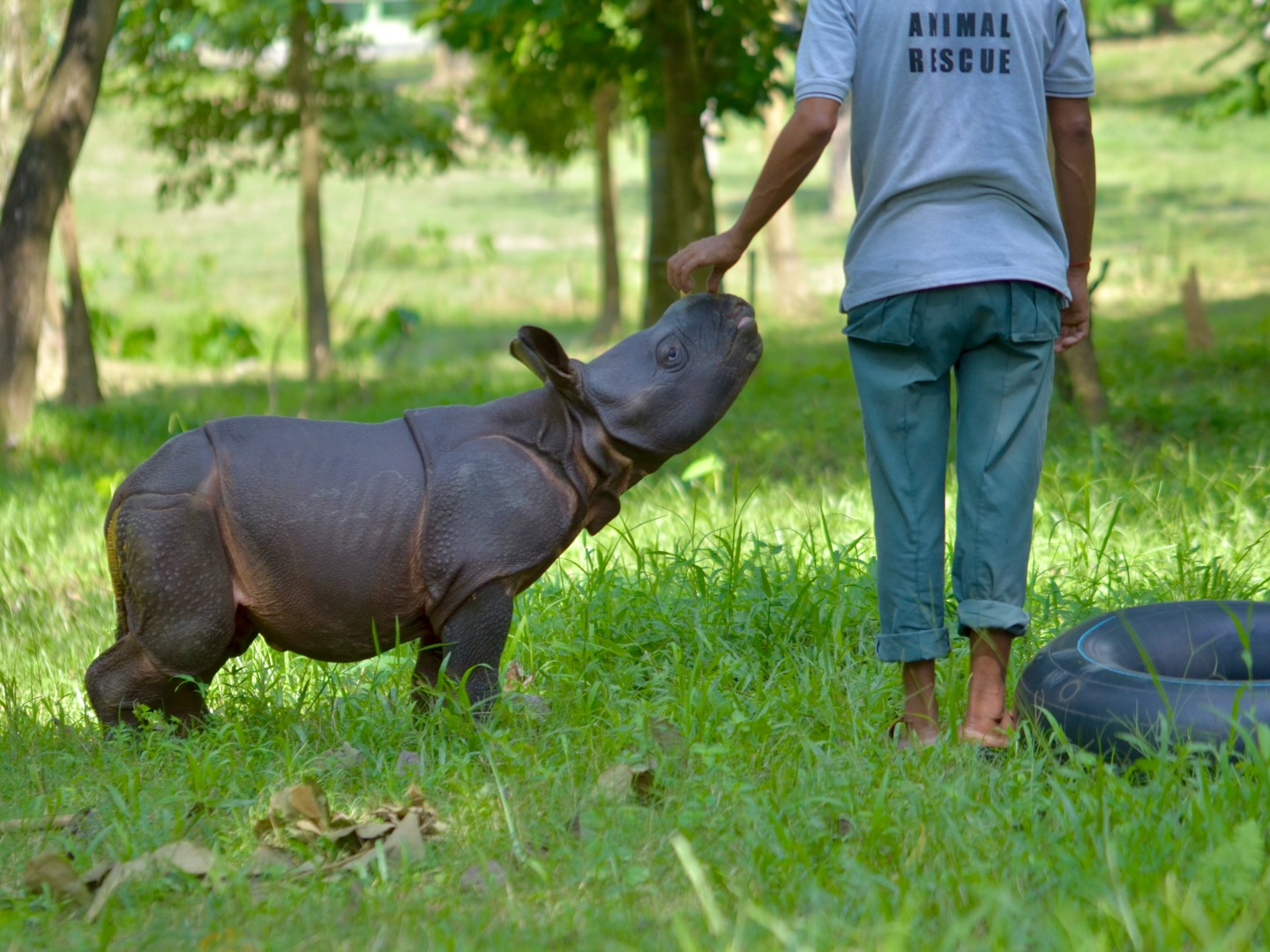
Rescued as orphaned calves during Kaziranga’s devastating floods in 2020 and 2021, two greater one-horned rhinoceroses—Kanai and Chandra—have taken a significant step toward life in the wild. After years of careful rehabilitation at the Centre for Wildlife Rehabilitation and Conservation (CWRC), they were translocated to Kaziranga National Park on 29 January 2026 by Wildlife Trust of India team along with help from the Forest department. Till date 25 orphaned rhinos have been rehabilitated and prepared for release through the programme.
Conservation status: Vulnerable
Wildlife photography by: Adil Arif/WTI / Facebook
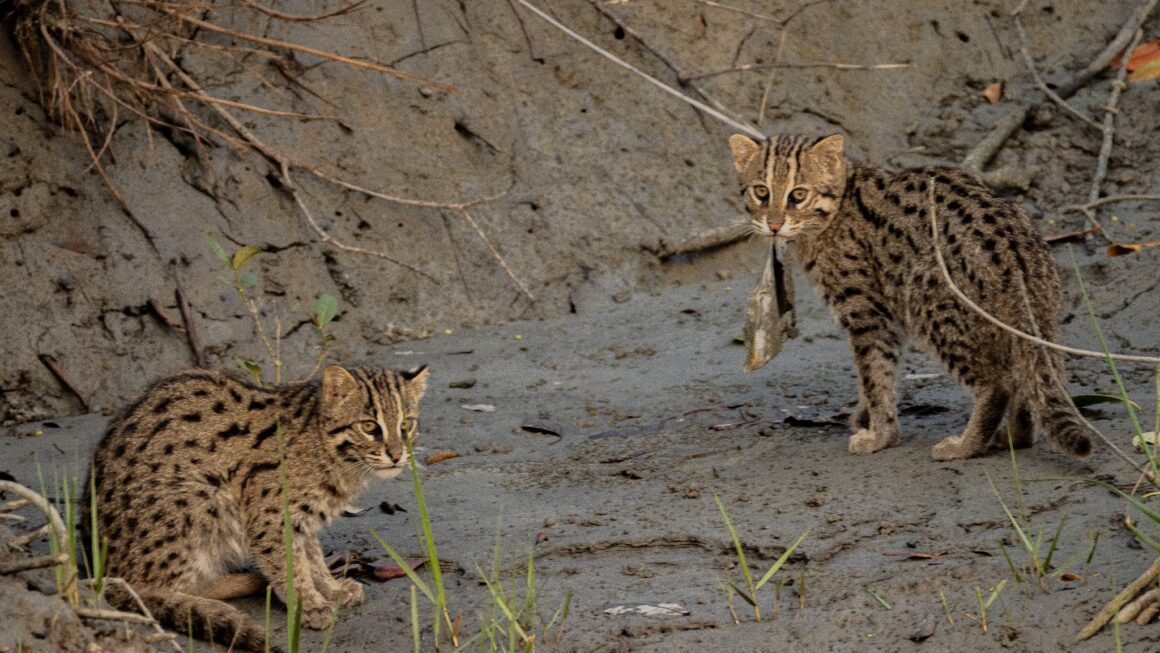
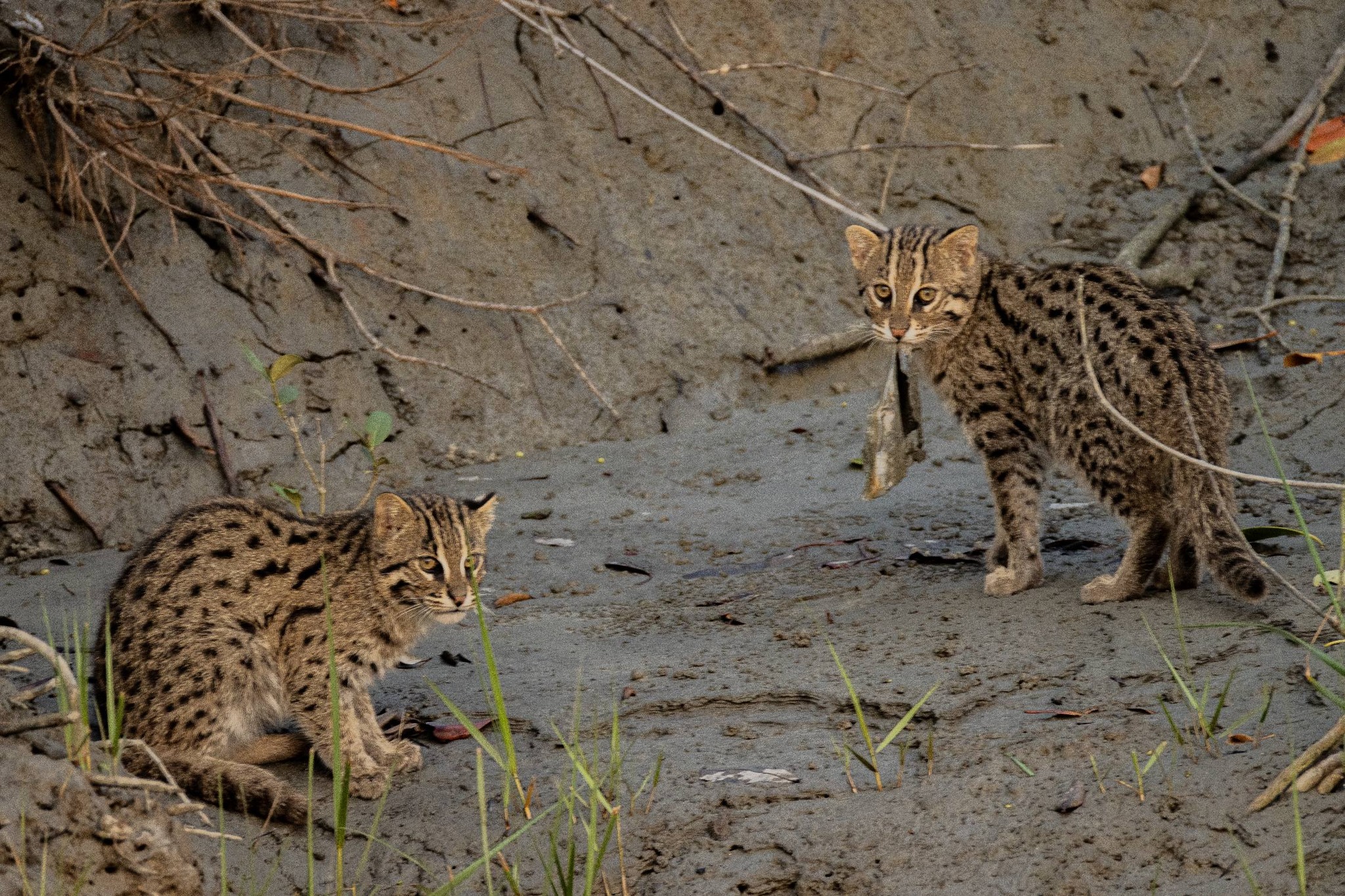
Unlike the mostly nocturnal and secretive cats found elsewhere, Fishing Cats here have adapted to the tidal rhythms of the Sundarabans, often hunting along mudflats in broad daylight for fish, crabs, and other aquatic prey.
Conservation Status: Vulnerable
Wildlife photography by: Soumyajit Nandy / Facebook
Read More: Interview: Fishing for the Fishing Cats, Tiasa Adhya
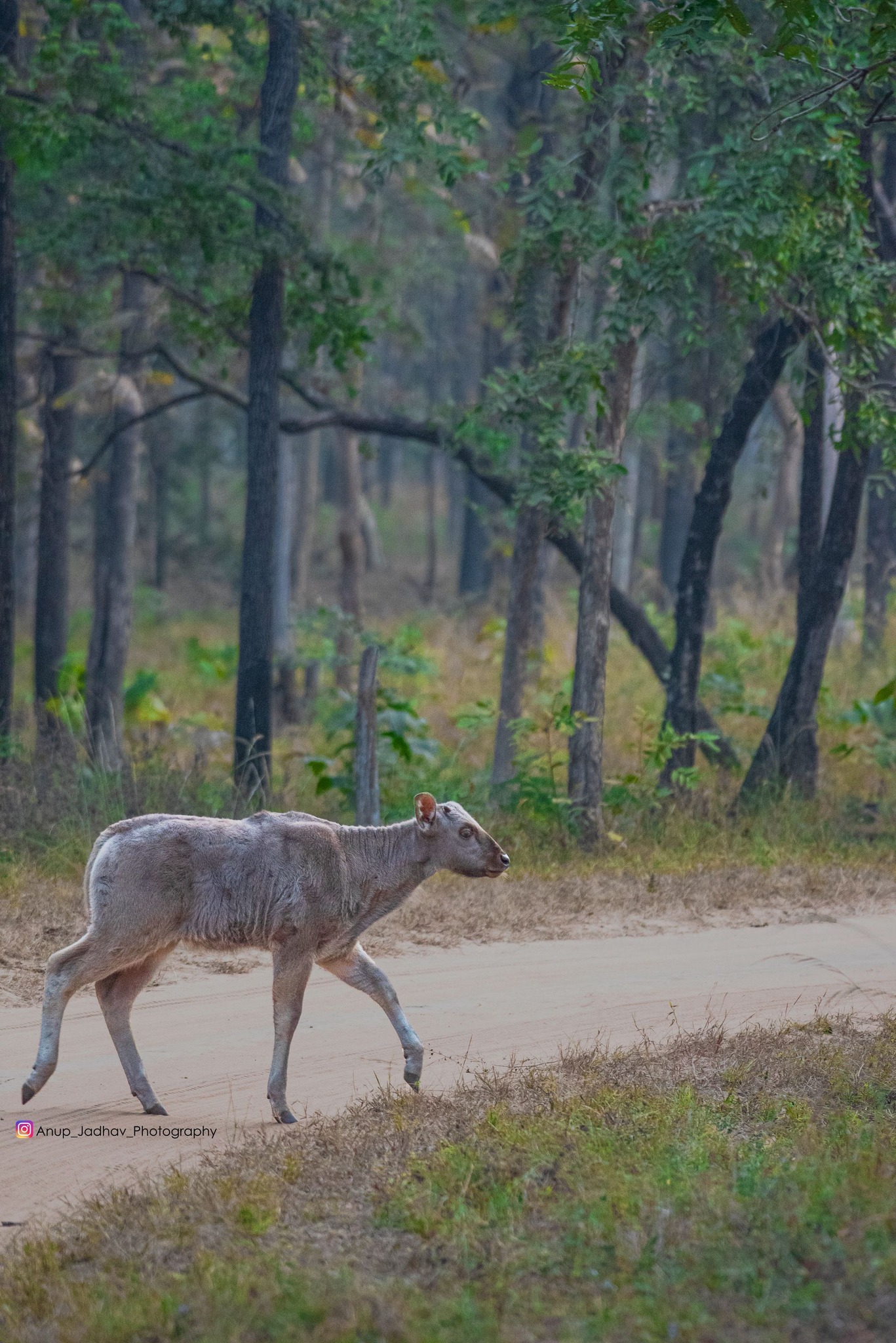
An exceptionally rare albino Indian gaur calf captured deep within Satpura National Park, Madhya Pradesh. Uncommon sightings like this highlight nature’s unpredictability.
Conservation Status: Vulnerable
Wildlife photography by: Anup Jadhav / Facebook
Close call between a tiger and a sloth bear in Pilibhit tiger reserve.
Conservation Status: Endangered (Tiger), Vulnerable (Sloth Bear)
Wildlife photography by: Arpit Kubba / Instagram
(All photographic content is © by the respective photographers. Images are published here with proper credit and are intended solely for non-commercial sharing. Any further use requires permission from the copyright holder.)