11 January 2026 – 17 January, 2026. Top pick of India’s threatened wildlife photography this week. All photographic content is © by the respective photographers.
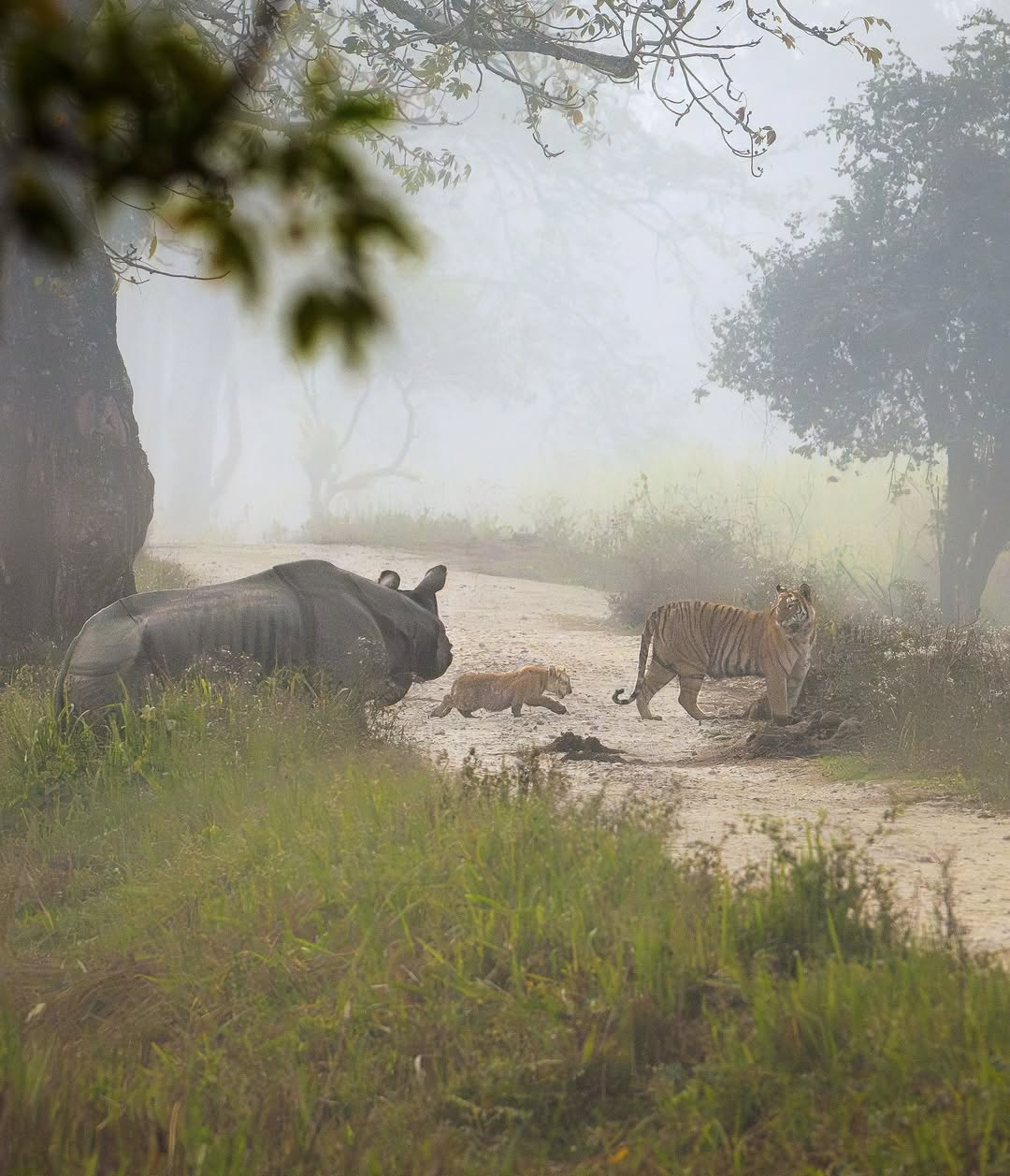
A powerful Greater One-horned Rhinoceros and a Royal Bengal Tiger mother with her cub encounter one another on a misty forest track. In this rare atmospheric standoff, the rhino’s prehistoric armor-plated skin and the tiger’s iconic stripes emerge from the dense morning fog, showcasing a tense but respectful coexistence between two of Asia’s apex giants. While tigers are the only natural predators of rhino calves, an adult rhinoceros remains a formidable force that even the largest cat seldom challenges.
Conservation Status: Endangered (Tiger) / Vulnerable (Rhinoceros)
Wildlife Photography by: Raju Shil / Facebook
Read More: Here is a way to save Rhino through art
In the wetlands of Mangalajodi, a Brahminy Kite and a Black-headed Ibis clash in a dramatic moment of aerial theft. The ibis, recognizable by its iconic sickle-shaped beak, flares its white wings to reveal the vivid red patches of bare skin visible during the breeding season. This interaction highlights the competitive nature of the marshlands, where the opportunistic kite frequently harasses other waterbirds to steal prey like fish or amphibians.
Conservation Status: Near Threatened (Black-headed Ibis) / Least Concern (Brahminy Kite)
Wildlife Photography by: Abhishek Acharya / Instagram
In the rugged terrains of the Western Ghats, a pair of Nilgiri Tahrs share a quiet moment of bonding. Known for their curved horns and coarse, dark coats, these mountain ungulates are the only species of caprine found in Peninsular India. This intimate framing highlights their striking amber eyes and the “saddleback” patches that mature males develop, a distinct feature of this high-altitude specialist often found grazing along the steep escarpments and montane grasslands.
Conservation Status: Endangered
Wildlife Photography by: Ekalavya Nachu / Instagram
Read More: How much is too much
A critically endangered Slender-billed Vulture perches silently on a tall, skeletal branch overlooking the grasslands of Kaziranga. Distinguished by its remarkably long, featherless neck and thin, dark beak, this specialist scavenger is one of the rarest raptors in India. Once abundant, their populations suffered a catastrophic collapse due to diclofenac poisoning, but today, Kaziranga remains one of their final strongholds, where they play a vital role in the ecosystem by disposing of organic waste and preventing the spread of disease.
Conservation Status: Critically Endangered
Wildlife Photography by: Dev Vikram / Instagram
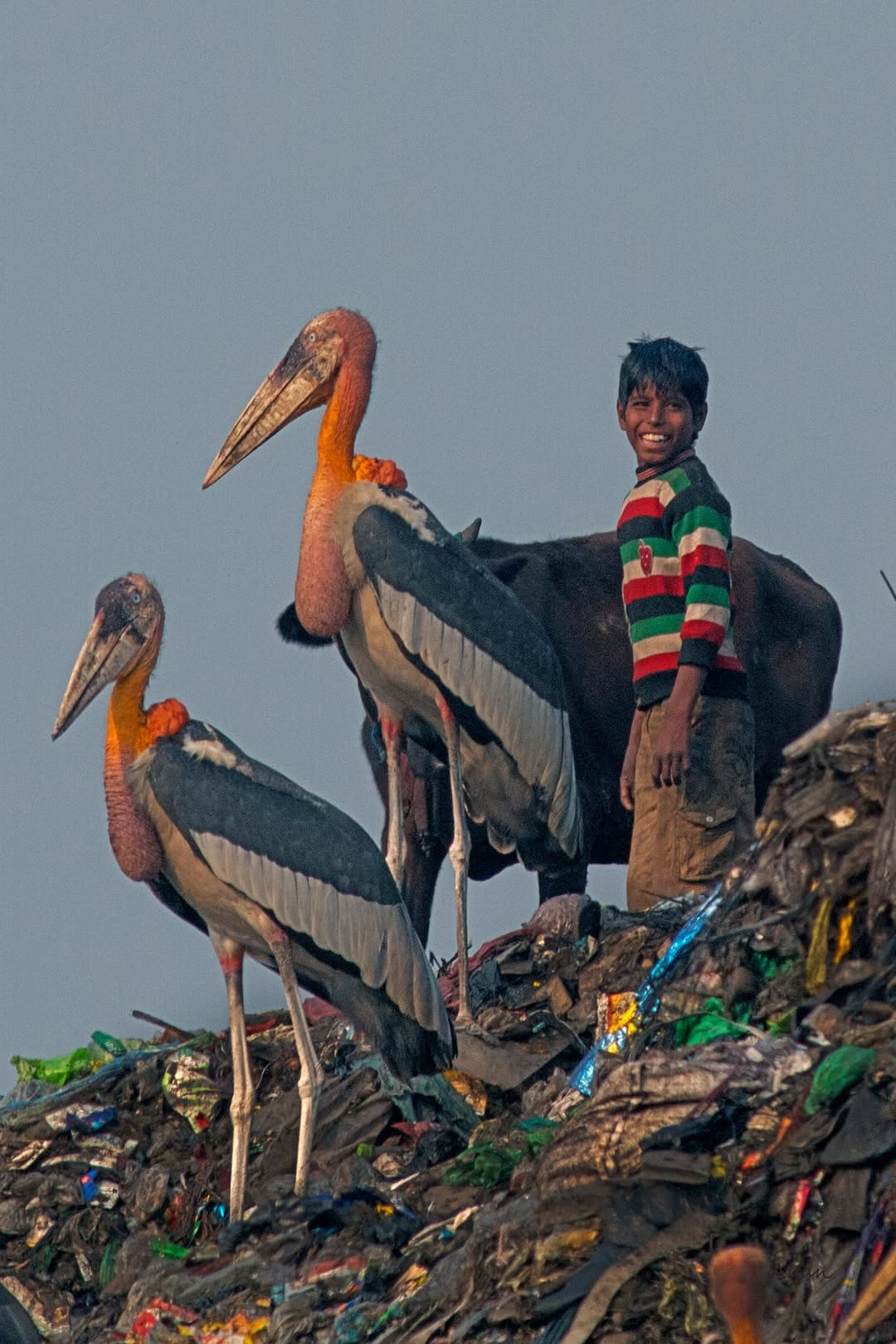
Greater Adjutant Storks stands alongside a young child at the edge of the Boragaon landfill in Guwahati, highlighting the complex intersection of human settlement and wildlife. Standing nearly five feet tall, this prehistoric-looking bird—locally known as the Hargila—is easily identified by its massive wedge-shaped bill and pendulous neck pouch. While these storks were once feared as omens of bad luck, the community in Assam has transformed into their greatest protectors. This scene captures the stark reality of one of the world’s rarest scavengers foraging for survival in a man-made landscape, where children and birds coexist in a shared, fragile environment.
Conservation Status: Near Threatened
Wildlife Photography by: Ayan Banerjee / Facebook
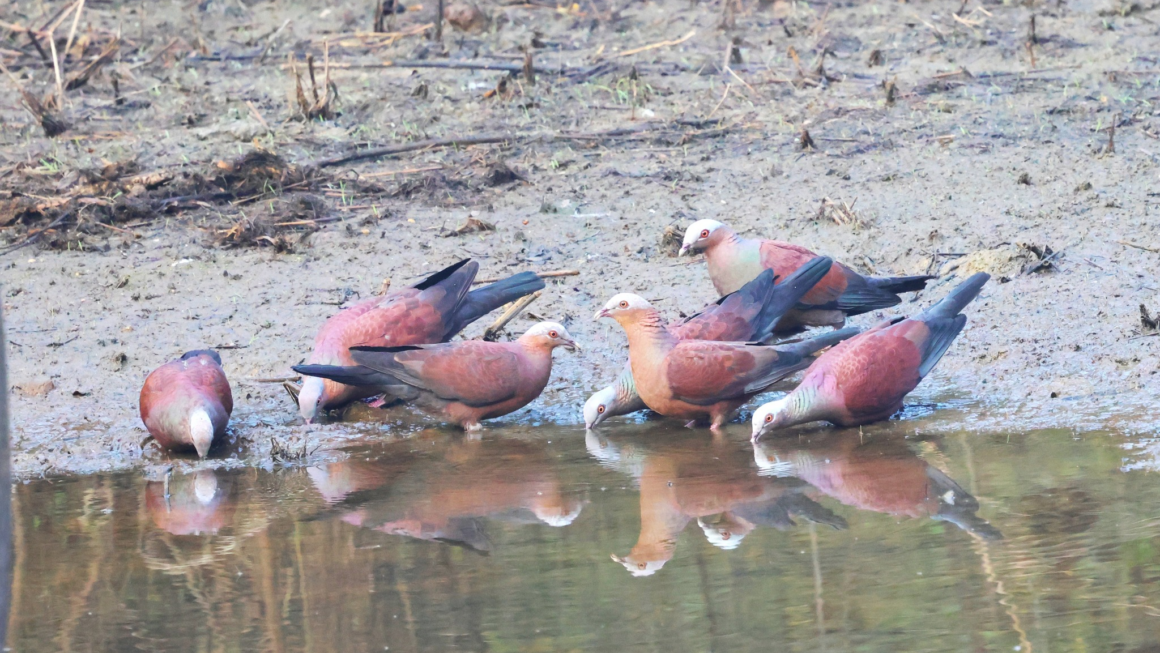
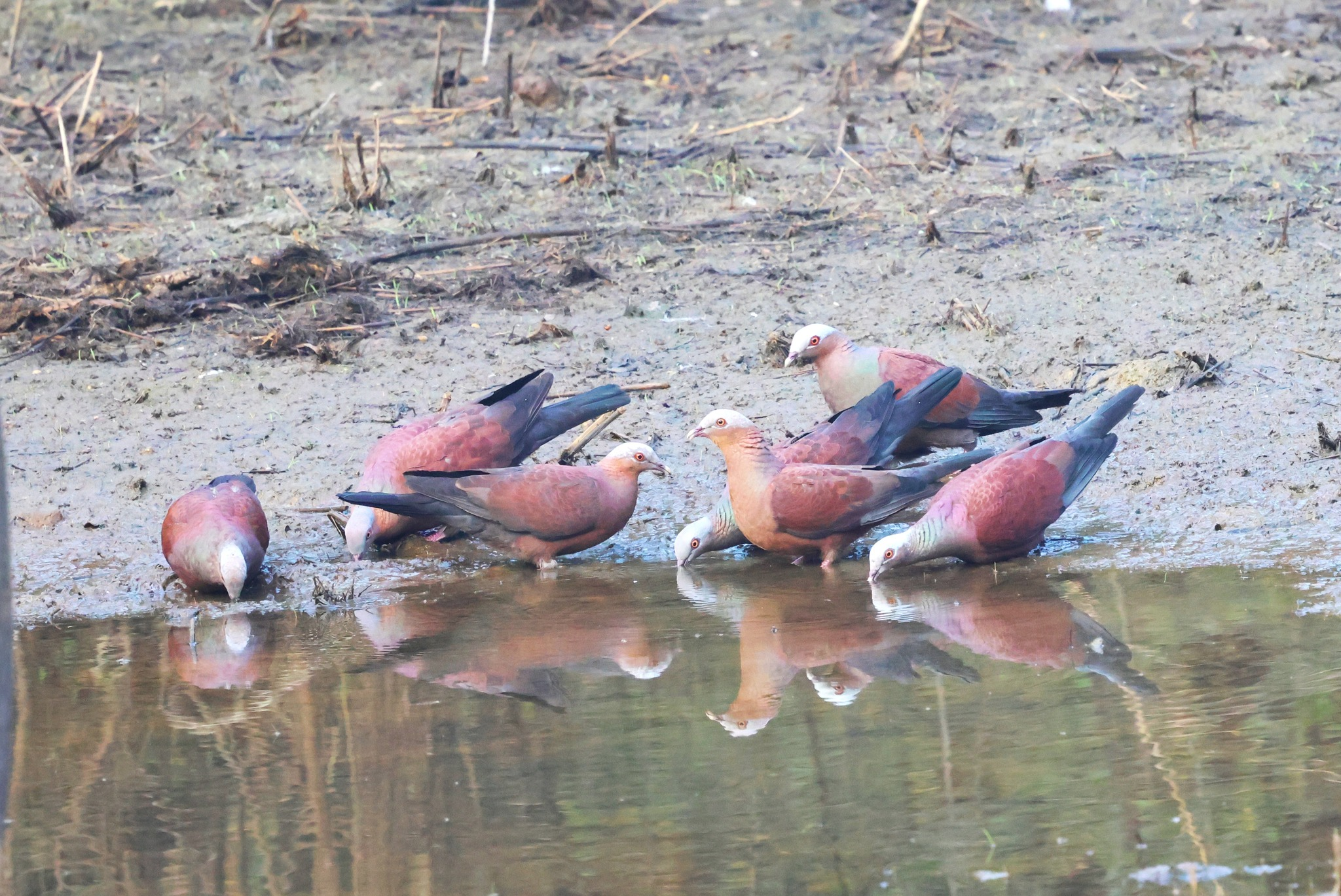
A flock of rare Pale-capped Pigeons gathers at a watering hole on the IIT Kharagpur campus. Unlike the more common pigeons, this species is identified by its distinct silvery-grey cap that contrasts with its deep purplish-maroon upperparts and iridescent green neck patches. These birds are specialized inhabitants of moist deciduous forests and bamboo brakes; however, they are becoming increasingly rare due to habitat loss and fragmentation. The peaceful, wooded environment of the campus provides a vital sanctuary for this elusive species to forage and drink in safety.
Conservation Status: Vulnerable
Wildlife Photography by: Upal Laha/ Facebook
(All photographic content is © by the respective photographers. Images are published here with proper credit and are intended solely for non-commercial sharing. Any further use requires permission from the copyright holder.)