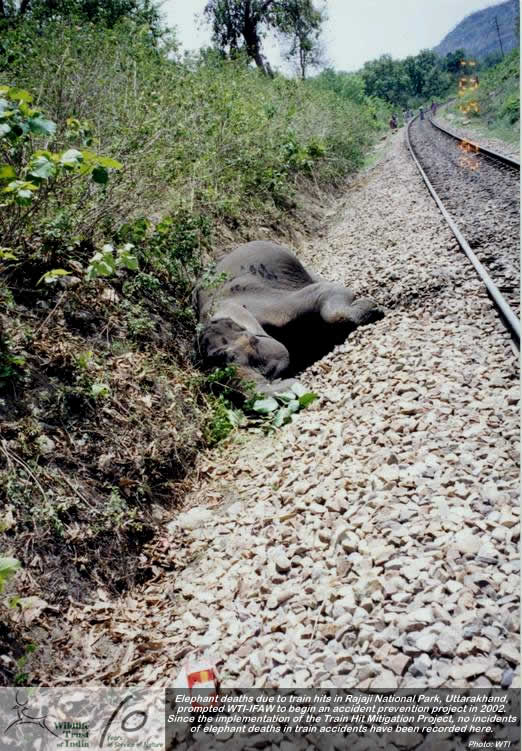
Come 2016 and elephants may safely cross railway tracks without the risk of being hit by an oncoming train. A device developed by Indian Institute of Technology, Delhi, will help detect the presence of elephants and other animals on railway tracks thus sending a warning signal to the train.
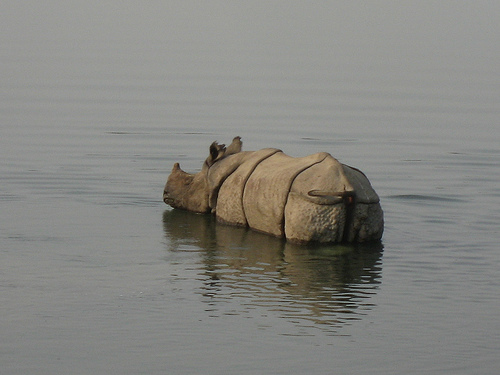
Squatters and Solid Waste threatening Kaziranga wildlife
India’s Kaziranga national park is a world heritage site and a park that is home to at least 15 of India’s threatened mammal species including the one horned Rhino. But now the forest officials are concerned that the animals are being threatened by increased plastic waste and other solid waste strewn all over the protected forest grounds.
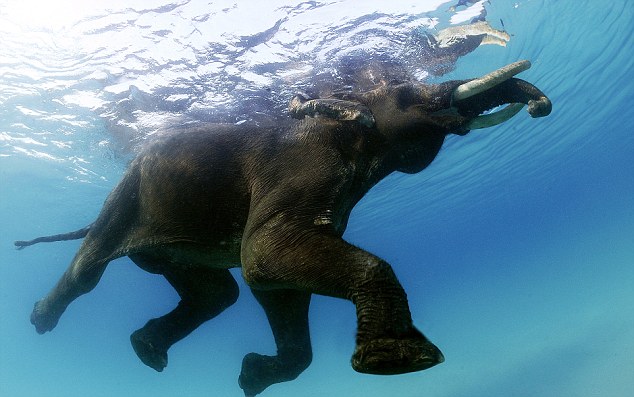
Rajan, the Sea Faring Elephant of Andaman
At 60, he needs his well deserved retirement after working 30 years of his life. But Rajan the elephant, does not feel like that at all. Even today, the elephant would love to ferry people as a sea taxi around the Andaman Islands in the Indian Ocean.
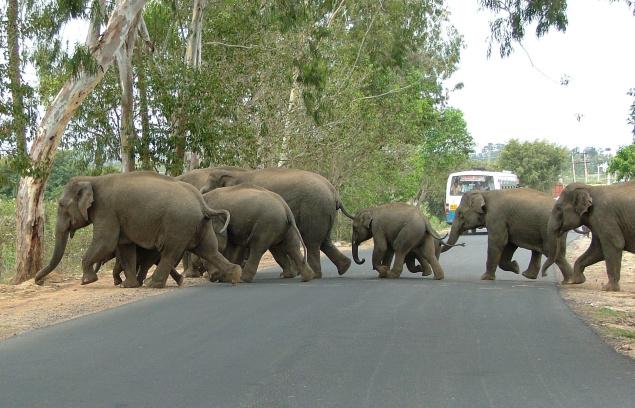
Karnataka Learns Lessons from Africa to minimise Man-elephant Conflict
Africa is home to almost 3.5 lakh elephants and 80 percent of wild elephants of the nation live outside protected areas. Yet the recorded cases of man-animal conflict are very low. Comparatively the state of Karnataka has just 6000 wild elephants which are increasingly being killed due to human-animal conflicts. It is to find answers to this growing problem that state forest officials travelled to Africa to know what the nations there are doing right to prevent loss of animal life.
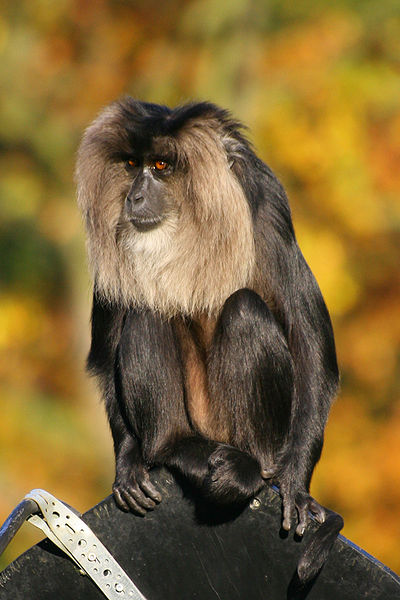
10 Endangered Species and Where to Find them in India
Know more about ten of India’s Endangered animals and where to find them in the wild.
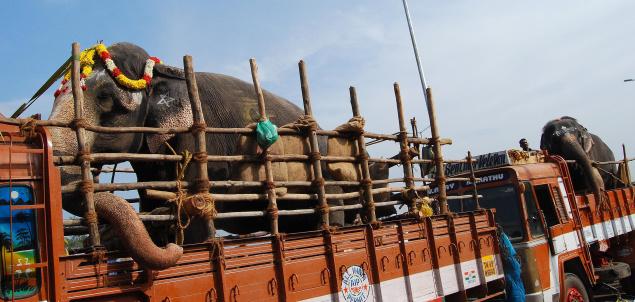
Temple Elephants head for a Rejuvenation Camp
13 year old Parvathi, looked quite happy boarding her truck as she looked forward to the 48 day rejuvenation camp planned for her at the cool Madumalai forests. The resident elephant of the famous Meenakshi Sundareswarar Temple will join 34 more temple elephants to roam in the wilderness and relax at the Theppakadu elephant camp […]
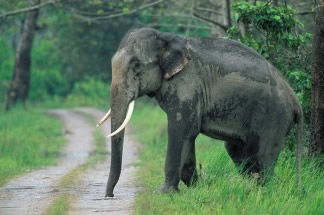
Scientists Develop Model to Predict Human-Elephant Conflict Zones
In Indian states like Assam and Kerala where the elephant population of the country is maximum the everyday battles between humans and elephants has become a cause of serious worry. No one can ask the elephants to restrict themselves just to the protected areas of the forest and avoid contact with humans, on the other hand humans too cannot be uprooted from their villages and farms. To ease the tension a team of scientists in Kerala have come up with a prediction model that helps predict possible zones where elephants might tread and come face to face with humans. If the statistical model works, it can be a huge boon in curbing the growing man animal conflicts.
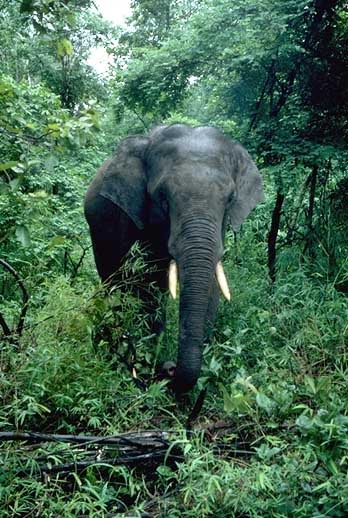
Elephants get Photo Identity Cards
Individual elephants in the state of Karnataka will soon be easily identified thanks to a novel project by wildlife groups in the region. The organizations are giving each elephant a photo identification card that will help researchers as well as conservationists.
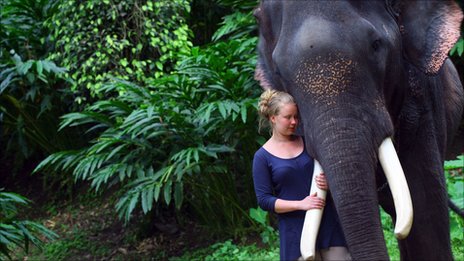
Finnish Woman set to become First Woman Mahout
When Laura Puukko visited Kerala last year she never thought that the trip would give an altogether new direction to her life. Smitten by the elegant Indian elephants, Laura is set to become the first woman to become a mahout in Kerala
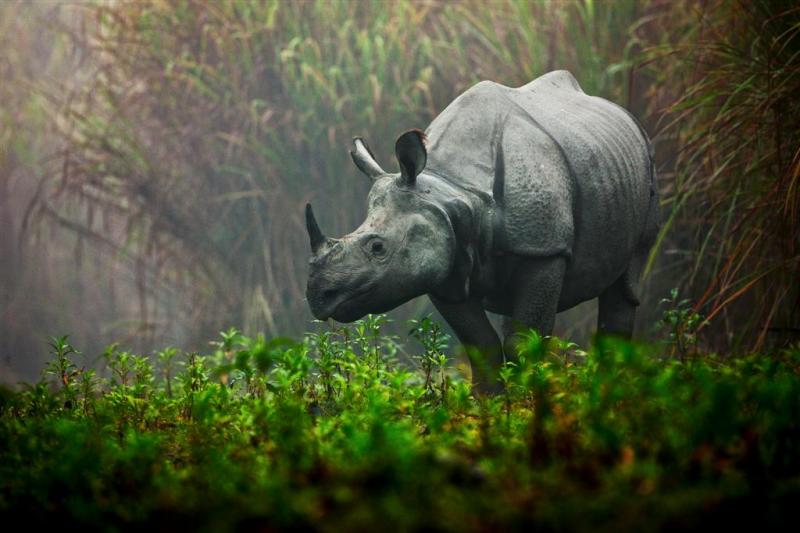
Past Week in Pictures
The 2012 International Conservation Photography Awards has been announced. This biennial juried competition will allow photographers to send entries to several categories all related to nature and wildlife. The competions was started by acclaimed nature photographer, Art Wolfe in 1997. 100 best entries will be chosen by jury members and for the first time Burke […]
Raised by Humans, Elephant now Part of Wild Herd
Here is extremely good news coming from Manas National Park in Assam. An elephant re-integrated into the wild a few months back under the Elephant Reintegration Project has been accepted by its wild mates and is now part of a herd. Considering that the elephant was hand-raised by humans, it is no simple accomplishment for the not-so-wild animal to be accepted and given a place in a wild herd.