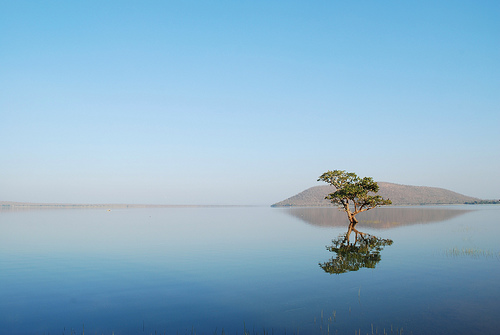
Situated about 70 kms from Warangal, this huge manmade lake is enveloped by forested hills. Set around the lake is Pakhal Wildlife Sanctuary, spread over an area of 900 sq. km Leopard, sambar, nilgai, sloth bear, chital, chowsingha (four-horned antelope) , chinkara (mountain gazelle), blackbuck, wild boar are some of the wild species found here. […]
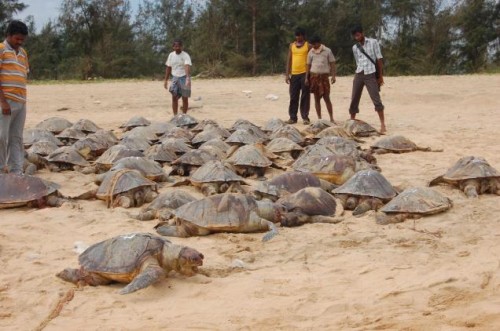
800 Endangered Olive Ridley Turtles found Dead in South India
TRAGEDY: It was a quest to bring the new generation into this world that led to the death of 800 rare and endangered Olive Ridley Turtles in a beach in southern India. The turtles are known to make their yearly voyage to the east coast Indian peninsula to breed and lay eggs in some of […]
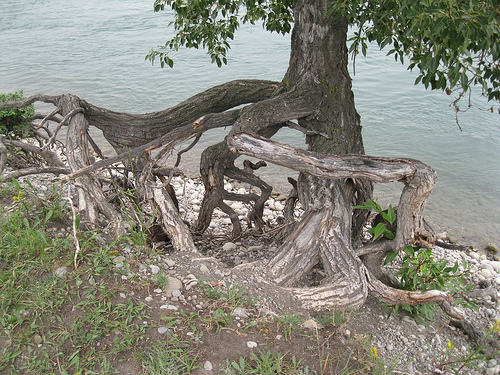
Erosion of Krishna River bed poses Threat to Ecosystem
The dense mangrove forests in the Krishna river bed at Nagyalanka mandal, Andhra Pradesh near its confluence point is facing a threat to its very survival due to constant erosion of the 5km river bed. Krishna river is one of the longest rivers in central-southern India also known to cause heavy soil erosion during monsoons. […]
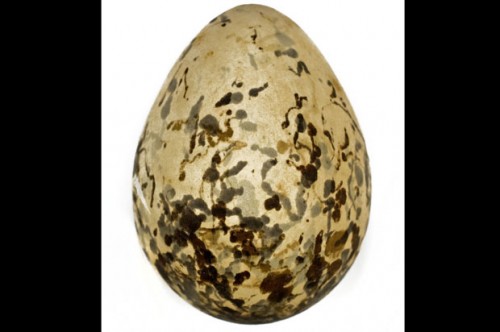
Rarest Egg in the World!
Scientist in Scotland stumbles upon Critically Endangered Indian Bird’s Egg RARE DISCOVERY: In the drawers of the Zoology museum of the University of Aberdeen, lay an egg, preserved but uncatalogued and unrecognised, until Dr Alan Knox found it and sent it for DNA analysis. What he discovered he aptly describes as a ‘eureka moment’ in […]
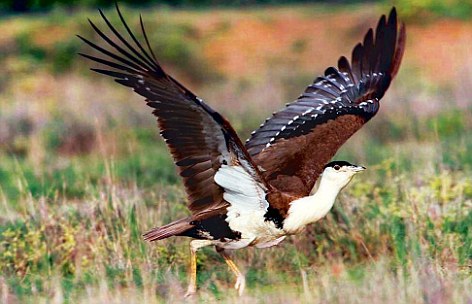
The Great Indian Bustard Challenge: Can India save the Bird?
The Great Indian Bustard (Ardeotis nigriceps) is the rarest of all bustard species found in the world. It is also the tallest. True to its name the bird is a majestic specimen among all birds, with a slender white neck and tall bare legs, sometimes reaching the height of over a metre. Sadly though, just […]
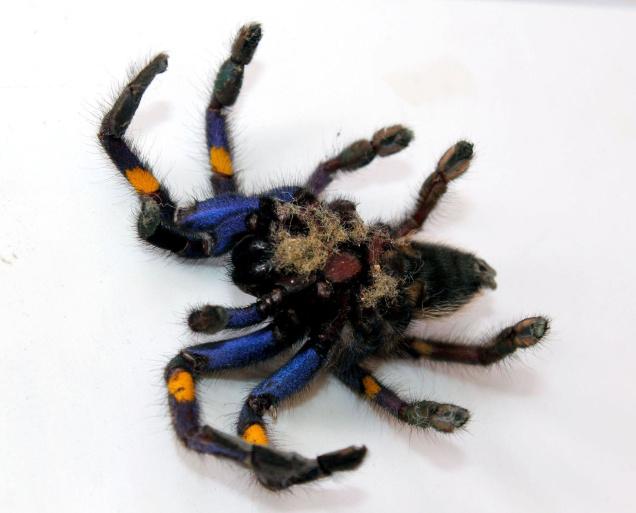
Critically Endangered Spider Seen after 113 years!
Last seen in 1899 a spider reveals itself in the forests of India, once again…
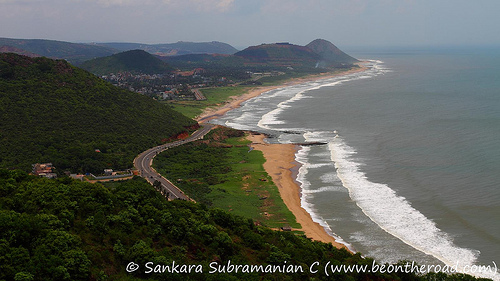
Foreign Invasions Ruining Native Forests of Eastern Ghats
It is the case of an unwelcome guest, who not only continues to live in your home for eternity, but occupies so much space, that it is finally you who are forced to vacate your very own native home.
Kawal becomes India’s 42nd Tiger Reserve
Elevating the number of protected areas in the country and giving the national animal a little more space to roam freely, Kawal Wildlife Sanctuary in Adilabad district of Andhra Pradesh has been officially named as the 42nd Tiger Reserve of the country. The area will not have a core area, a buffer zone and will get funding from the National Tiger Conservation Authority (NTCA) to ensure the tigers have a safe new home.
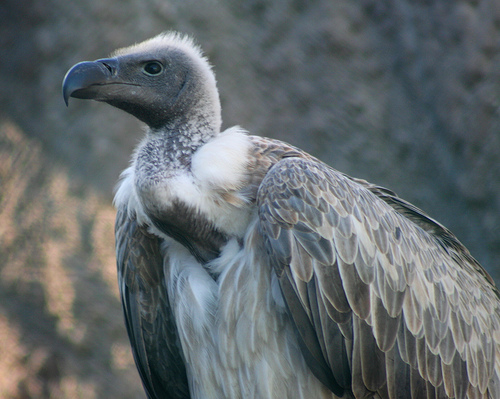
Only Five Vultures remain in Andhra Pradesh
In a shocking revelation the state officials of Andhra Pradesh have found that there are only five vultures left in the state and that too the ones captive at the Nehru Zoological Park, Hyderabad.
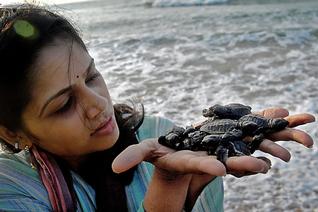
VSPCA Saving Endangered Olive Ridley Turtles
Vishakhapatnam a coastal town in Andhra Pradesh was once known for the abundant nesting grounds of Olive Ridley Turtles along its sea coast. But now the town is gradually losing ground due to increased development, poaching and pollution along the coast line. To save the endangered sea turtles and prevent them from extinction, an organisation Visakha Society for Protection and Care of Animals (VSPCA) has taken an active role by its rangers, constantly patrolling the beaches, monitoring nesting sites, eggs and their hatchings. By taking a step further the organisation is involving local villagers, fishermen, in the endeavour by employing and educating them to the cause.
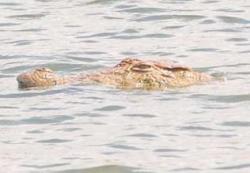
Freshwater Crocodiles back from the brink of Extinction in Manjira River
Manjira river is a tributary of Godavari river that flows in three states of India namely – Karnataka, Andhra Pradesh and Maharashtra. Of late the Manjira River running about 60 km from Hyderabad has seen a surge in freshwater crocodile population nearing 300 in number. This is a direct outcome of the efforts put in by the forest officicers to save the species from becoming extinct as the number had alarmingly fallen to less than 4 pairs in 1974.