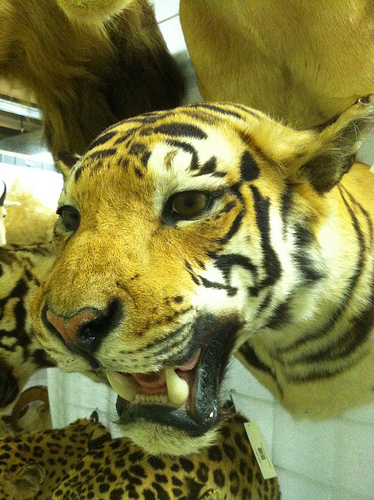
There was a time in India when Emperors surrounded by their noblemen would mount the back of an elephant and venture into the jungles to kill a beast. The time of these erstwhile trigger friendly maharajas may well have gone, but the hunt for animals is still on and has taken an uglier shape than ever. It is not royalties anymore but commoners who kill for profit. Wildlife crime is today is a profitable business and the biggest threat to animals and the survival of the planet itself.
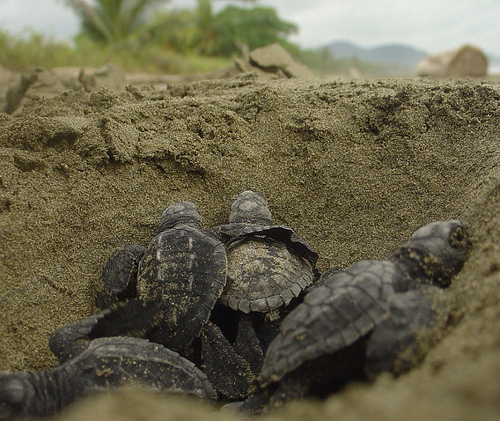
Turtle Nesting Sites facing the Heat
For turtles, nesting grounds are the most secure place on earth. They may be wandering all across the world oceans throughout the year, but it is here that they come year after year to lay eggs and bring the next generation into the world. Sadly, marine scientists have found that turtle nesting grounds in many parts of the world, including India are vanishing due to climate change. What is even more distressing is that many of these may have already faced irreparable damage.
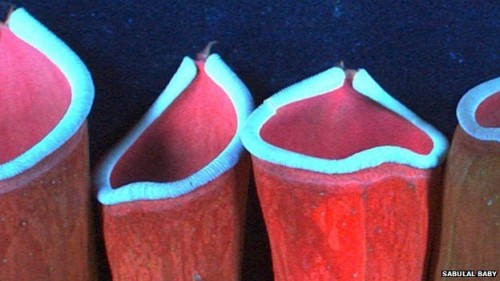
Carnivorous Plants Emit Blue Glow to Attract Prey
It can be aptly termed fatal attraction. Scientists in Kerala were surprised to discover carnivorous plants that attract insects by acting as blue fluorescent lamps! This is probably the first time in the world that a carnivorous plant has been discovered to reveal a blue glow to catch its prey.
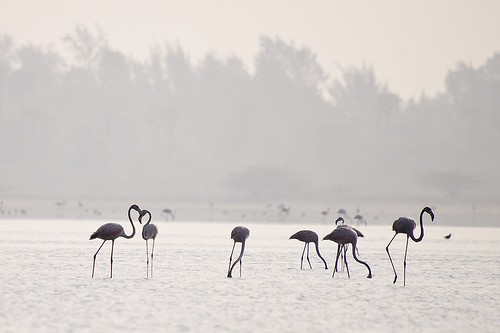
Flying towards Death at Nalsarovar Lake
For many birds around the world, Gujarat’s Nalsarovar lake is home away from home, where they spend the cold winter months. Designated as a wetland of international importance, the lake however is turning into a living hell. Reason being the nets, sprawling across the wide lake, and cast to bring the carefree flights of the bird to an abrupt end.
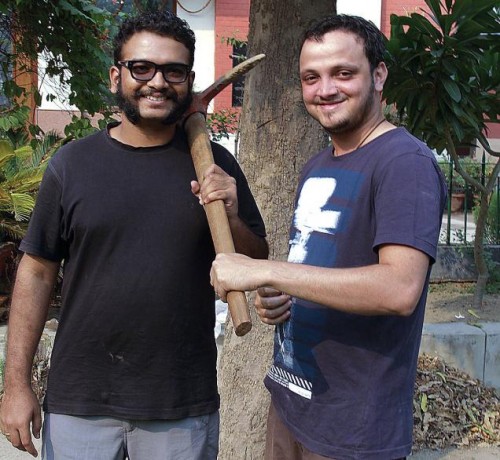
They call Themselves the Tree Planters
It is sometimes said, ‘A crazy idea can change the world’ and if someone can prove this to be true, it has to be two young Indian men, who thought of making their country greener through what they call Project 35 Trees. Armed with plant saplings and perched atop public transport vehicles, the two travelled across all states of India to plant trees and leave a message of hope.
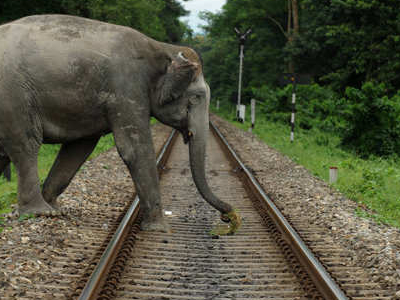
Life Threatening Railway Tracks
A railway line that may connect Sikkim with the rest of India more easily is currently under construction between Sevoke in West Bengal and Rangpo in Sikkim. But the track might threaten the lives of many wild animals, especially elephants that frequent the same path, triggering more accidental deaths if the train movement starts.
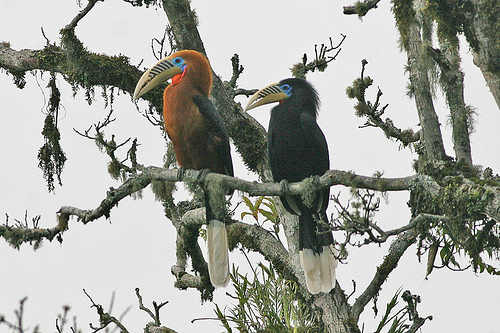
Indian Birds need Help to Combat Climate Change
A new UK based research points out that the future for Indian birds could be disastrous because of climate change and many species could try to relocate to different areas. The research says that to save birds from global warming, it is not just the protected areas but the whole countryside that needs to be conserved. In some extreme cases, certain birds might be needed to be physically transferred from one area to another!
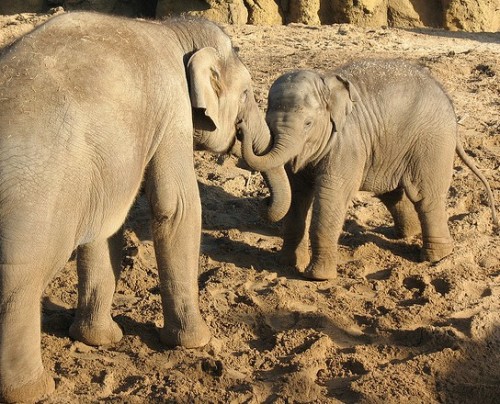
6000 Elephants call Karnataka Home
The state of Karnataka is now home to more than 6000 elephants, according to a new census conducted in 2012. The average elephant population has been between 4,000 and 6,000 for the past 15 years in the state.
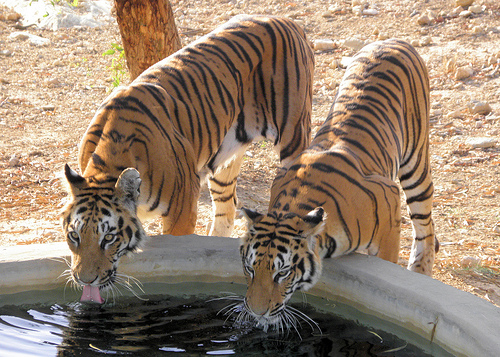
Soon, An ID Card for Every Tiger in India
They are the nation’s pride and now just like the billion plus citizens of India, Indian tigers will get a Unique Identification Number (UID) thanks to a national plan to strengthen their protection measures.
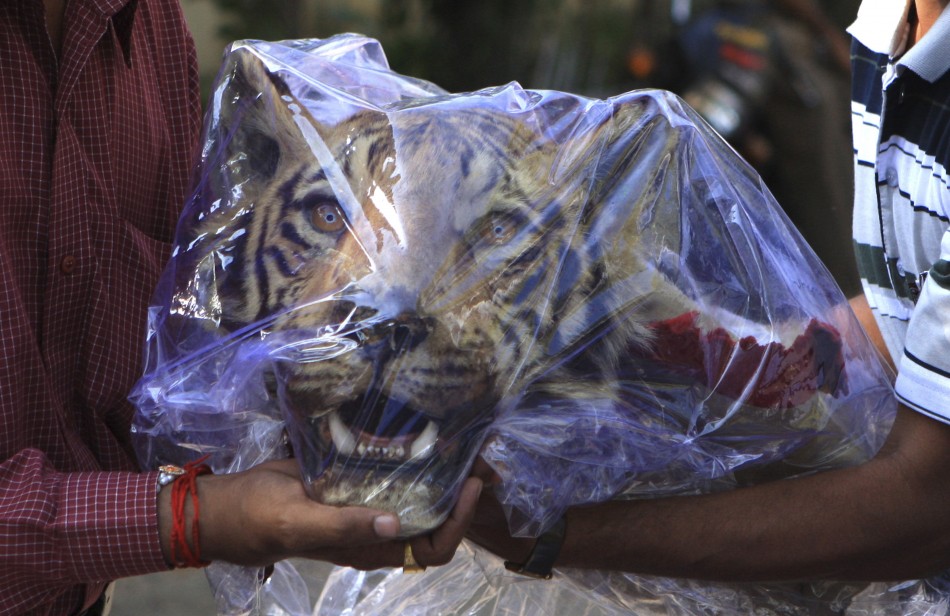
2012 Worst Poaching Year for India
The year that went by could have been remembered for being the year that Western Ghats became a world heritage site or the year when Asiatic Lions were no more considered Critically Endangered. But ruining the joys of all the positive is one scar constantly surfacing as a conservationist’s worst nightmare. 2012 recorded the largest number of killings of endangered animals in India making it the worst poaching year in the last decade.
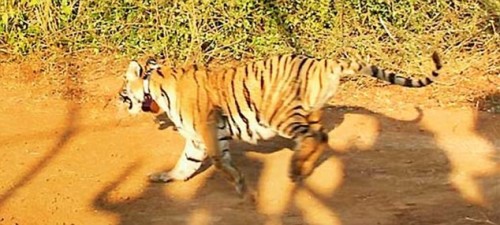
New Adventures Begin for Twins of Ranthambore
They were just three months old when the twin tigresses lost their mother. Raised by their unusually caring father, the ladies have come a long way quite literally by leaving their birth place Ranthambore and now beginning a new life in the jungles of Sariska after the forest department trans-located the two this week.