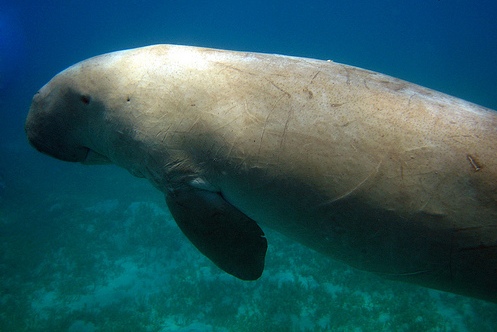
The name Dugong probably may not ring a bell to most. Otherwise known as Sea-cow, Dugongs are marine mammals akin to sharks, whales, seals and dolphins. These are harmless underwater animals, big in size and feed only on sea grass, coming on to the surface of water at regular intervals to breathe like whales and Gangetic Dolphins. They spend most of their time feeding on sea grass; because of this, their habitat is restricted to coastal waters of Indo-west –Pacific tropics and ranges across 37 nations. Once found in abundance, today their species are in extreme danger due to uncontrolled mechanized fishing, poaching and habitat loss. Dugongs are categorised as threatened species coming under the IUCN Red list. Quite a few important conservation measures are being undertaken by organisations including Government of India.
Madhya Pradesh without a Wildlife Doctor
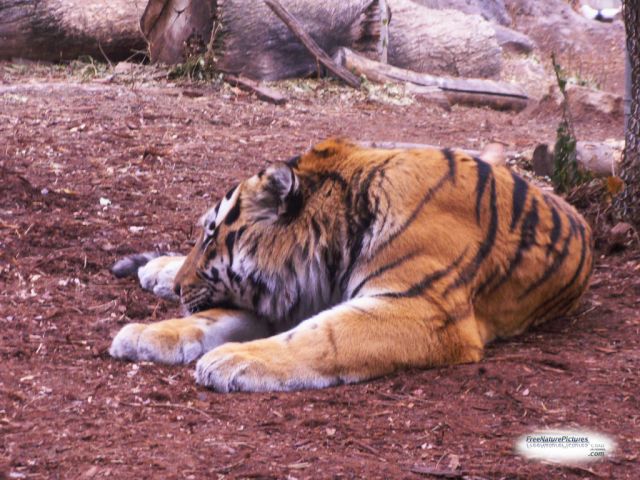
What would happen if there was a town full of people but they had no doctor to treat them in case of a health problem? It is the same case with the tigers and other wild animals of Madhya Pradesh. Despite the fact that the state has some of the most important tiger reserves in the country with a population of 257 tigers, an RTI activist claims that there are no specialist wildlife doctors here to treat the wild animals.
Now Find Indian Birds Online
One website developed by Anand-based Foundation and Ecological Security (FES) is opening a window of knowledge for those who wish to know more about birds of India.

Specialised Counter Poaching Training for Asia’s Forest Rangers
In an altogether different kind of offensive, an intense counter poaching operations training is being undertaken by around 50 park rangers of Asia including India in an effort to save and provide security to Asia’s forest reserves. Named ARREST (Asia’s Regional Response to Endangered Species Trafficking), the program is aimed at equipping forest rangers with improved patrolling techniques and law enforcement. The two week long training course, is being funded by the US Government.
UK Experts to Clean Ganga
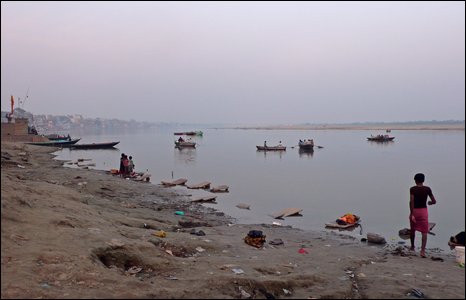
It is a known fact that the sacred Indian river that helps wash off the sins of thousands every day is itself getting murkier with sewage, animal carcass, and ashes. In order to flush out all the dirt out of Ganga, and breathe life into the aquatic species like the Ganga river dolphin, it is now experts from Berkshire who have been asked to help transform the river just like they transformed the Thames.
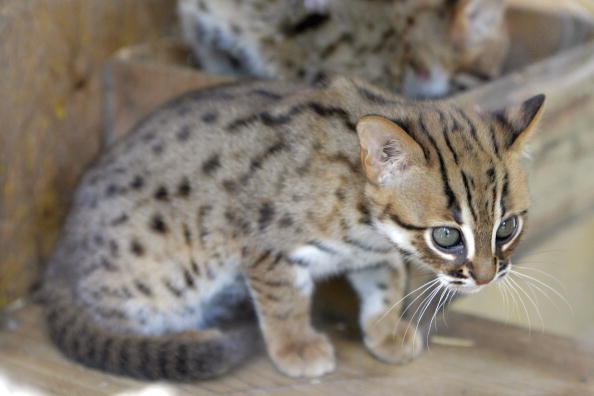
Rare Cat Species spotted at Corbett National Park
There was a new member of the cat family spotted at Corbett National Park recently thanks to camera trapping. The cat is slightly smaller than the domestic cat with a grey coat and is an endangered cat species called the rusty spotted cat
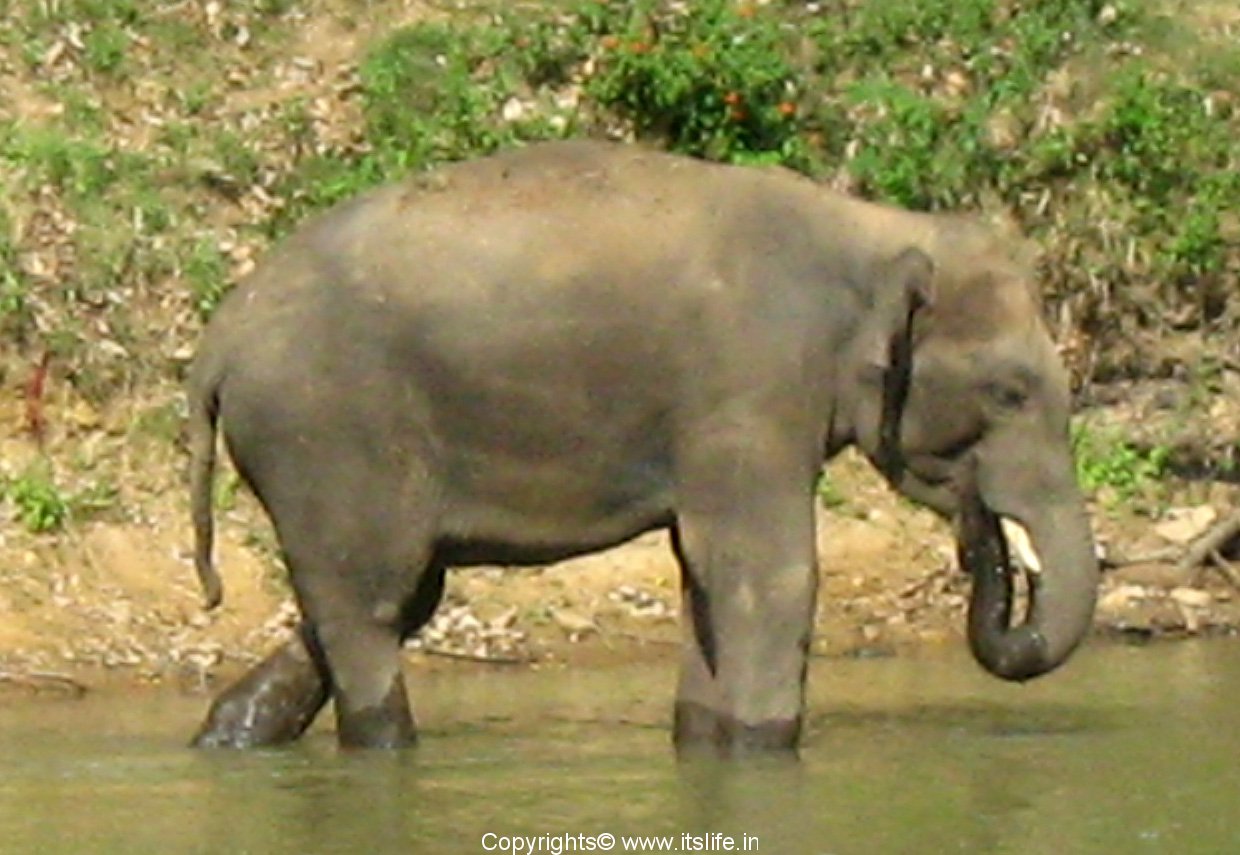
Villagers give up their Land for Elephants
Villagers in Kerala, have displayed a grand gesture by vacating their agrarian village for elephants because it is a vital elephant corridor. To support the 63,000 elephants roaming in the parts, the villagers have opted for resettlement.
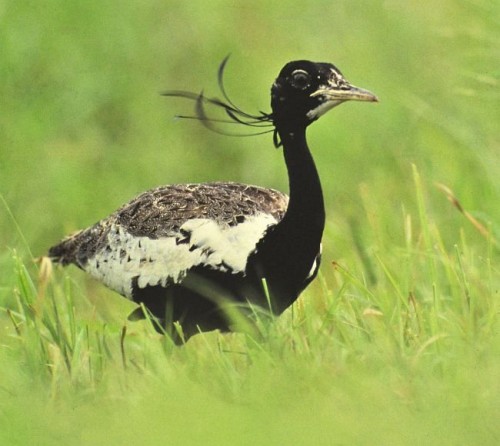
Lesser Floricans getting lesser and lesser in India
The Lesser Florican is one of the smallest bustards of the world and bird that prefers to live in grasslands. But latest census by the Wildlife Institute of India (WII) sadly predicts that the birds are losing their home as well as their numbers in the country. From 238 of these birds recorded in 1999 in Gujarat, Rajasthan and Madhya Pradesh the number has dropped to merely 84.
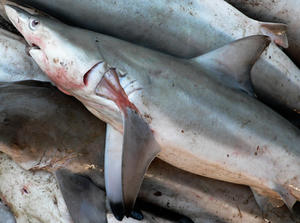
India Second in the List of Shark-Catching Nations
The predator of the marine world may be much feared in the waters, but it seems the shark is the one that is living a fearful life in the coastlines of India. According to a report compiled by TRAFFIC, a global wildlife trade monitor and the Pew Environment Group, India has been ranked second in a list of top 20 shark catching nations of the world. Surpassed only by Indonesia, this is a ranking that will shame conservationists across the nation.
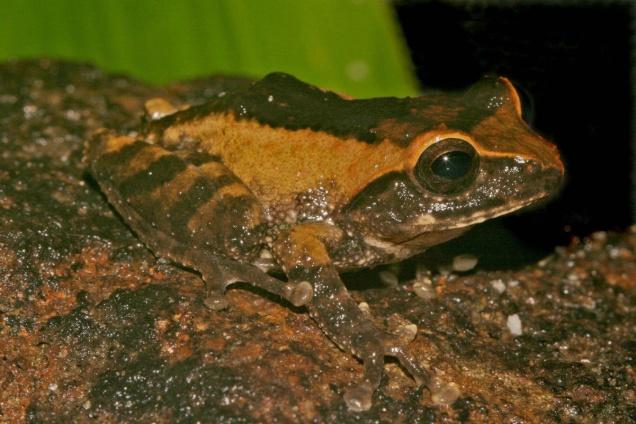
Ten New Frog Species Discovered in Western Ghats
Discovery of new frog species at the Western Ghats of India has further strengthened the claim that these Ghats are the heart of biodiversity. While frog species round the world are driven to extinction due to habitat destruction, pollution, climate change and of late, much sought frog legs, the discovery of new frog species is refreshing news. The expedition in the Ghats was carried out by biodiversity researches, voluntary researches and nature enthusiasts without any funding from agencies and they succeeded in discovering ten new frog species.
Passer bye Saves an Endangered Star Shelled Tortoise
P. Girish, a resident of Malkajgiri in Hyderbad, noticed an unusual animal on the roadside grass while on his way home. It was a star shelled tortoise. Girish brought the animal home and kept it safe for two days before handing it over to zoo officials on Sunday.